
how to plan mauritius honeymoon trip usually comes down to three things you can control early: timing, flight-and-hotel logistics, and a pace that still feels like a honeymoon, not a checklist.
If you wait until you’re comparing 12 resorts at midnight, you’ll burn time and money, and you might miss the room category you actually wanted, or the flight routing that keeps jet lag manageable. Mauritius rewards a little planning because beaches, lagoons, hiking, and food are spread out, and moving around takes longer than the map suggests.
This guide walks you through a practical plan: when to go, how to choose where to stay, a sample itinerary style, and the small decisions that tend to make or break the trip.

Pick the right time to go (and what “right” really means)
Mauritius is a year-round destination, but “best” depends on what you care about: calm water, lower humidity, fewer crowds, or better pricing. For many US couples, the sweet spot is matching weather with your tolerance for heat and your budget flexibility.
- Drier, cooler months: Often feel easier for day trips and hiking, with less humidity.
- Warmer, more humid months: Can be lush and tropical, sometimes with heavier showers that pass quickly.
- Shoulder periods: Many couples like the tradeoff, but you need a backup plan for a rainy afternoon.
According to the U.S. Department of State, travelers should review destination-specific safety and entry information before booking international travel, since requirements can change.
Quick decision tip: If you want lagoon days and snorkeling to be the “default,” prioritize months known for more stable conditions, and build a flexible itinerary so you can swap beach and inland days.
Build a honeymoon budget that matches your style (not someone else’s)
When people ask how to plan mauritius honeymoon trip on a realistic budget, the tricky part is that Mauritius can be “luxury by default” if you let resort pricing dictate every decision. A clear budget gives you leverage: you can splurge on the experiences you’ll remember and simplify the parts you won’t.
Start with three buckets, then adjust:
- Flights: Often the biggest variable from the US, depending on routing and layovers.
- Stay: Resort category, meal plan, and room type change the whole total.
- Days: Private tours, spa, catamaran, diving, and dining out add up fast.
Budget checklist (use this before you book)
- Do you want all-inclusive, half board, or pay-as-you-go dining?
- Is a private plunge pool important, or would you rather spend that money on activities?
- Will you do 1–2 “big” excursions or something nearly every day?
- Are you okay with a longer flight routing if it saves meaningful money?
Key point: Decide your “non-negotiables” now, because they influence where you stay and how much you’ll move around.
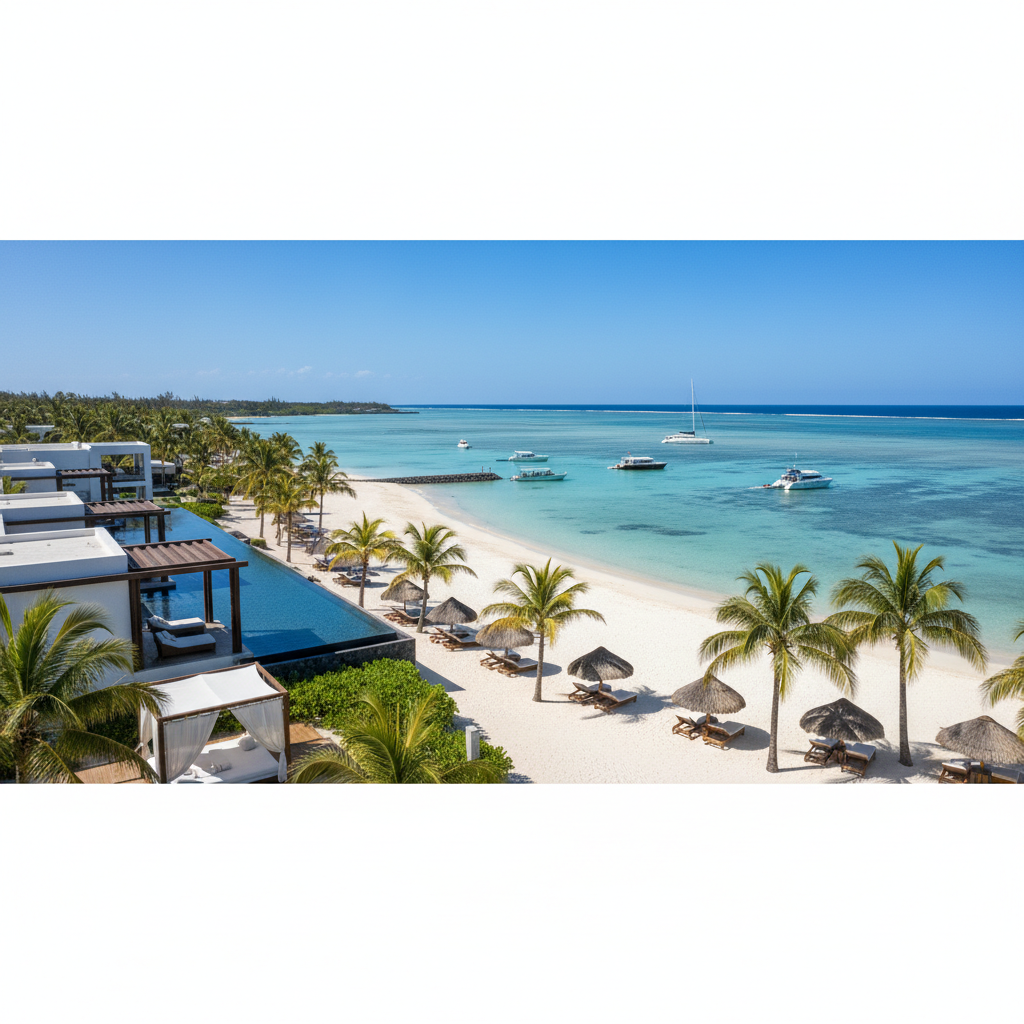
Choose where to stay: region strategy for couples
Mauritius is compact, but drive times and “vibe” vary a lot by coast. Instead of hunting for a single perfect resort, it’s often smarter to choose a region that fits your honeymoon mood, then shortlist properties within that area.
- North: Lively, plenty of dining and activities nearby, good if you like options outside the resort.
- West: Popular for sunsets and a relaxed beach rhythm, often a strong “honeymoon” feel.
- East: More secluded in many spots, great for quiet time, but sometimes less convenient for spontaneous outings.
- South: Rugged scenery, windier in some areas, better if you like dramatic coasts and exploring.
Two-stay honeymoon approach: If your trip is 8–12 nights, many couples enjoy splitting time, for example a quieter resort first, then a more social area later, or vice versa. Fewer hotel changes keeps the trip romantic.
Plan transportation without overcomplicating it
Transportation is where honeymoon plans quietly go sideways. You want freedom, but you also want to relax, and driving after a long international trip can feel like work.
- Private transfers: Easiest for arrival and departure, especially after long-haul flights.
- Rental car: Good for independent exploring, but confirm local driving norms, parking, and insurance terms.
- Driver/guide for day trips: Often a sweet spot for couples who want flexibility without navigating.
According to the CDC, travelers should check destination health notices and routine vaccine guidance before international travel; for personal medical questions, it’s smart to consult a clinician.
Quick self-test: which transport style fits you?
- If one of you hates navigation, lean toward driver/guide for big days.
- If you want sunrise hikes and hidden beaches, consider a rental car, but keep your schedule light.
- If the goal is pure decompression, book transfers plus 1–2 curated tours.
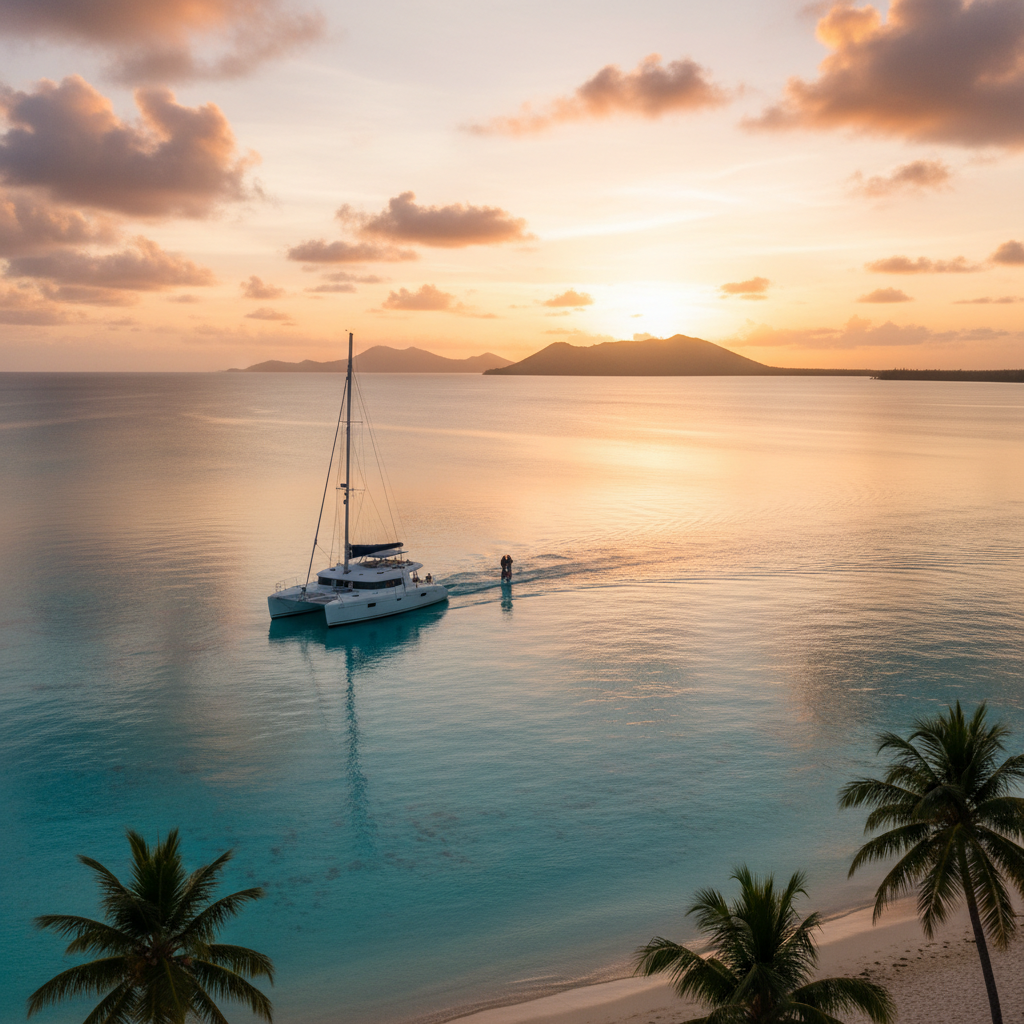
Build an itinerary that feels like a honeymoon (sample pacing)
how to plan mauritius honeymoon trip gets easier once you pick a rhythm. The common mistake is cramming every highlight into one week, then spending the whole honeymoon recovering between activities.
A practical honeymoon pace is usually: one “anchor” activity every other day, with beach, spa, or slow mornings in between.
Sample 9-night structure (adjust to your interests)
- Nights 1–3: Arrive, sleep, beach time, one easy excursion.
- Nights 4–6: A bigger day trip (catamaran, nature park, or island outing), one free day.
- Nights 7–9: Switch regions or upgrade room type, book one “finale” dinner or spa day.
Practical rule: Put travel-heavy activities mid-trip, not day 1 or the day before your flight home.
What to book first: a simple priority order
If you’re stuck, use this order. It reduces the risk of building a plan around a room or tour that’s not actually available.
- 1) Flights that you can tolerate in terms of routing and arrival time
- 2) Core resort stay with the room category you want
- 3) Transfers for arrival and departure
- 4) Time-sensitive experiences like a private boat, diving slots, or a signature restaurant
- 5) Everything else, keeping space for weather and mood
Small-but-important detail: If you’re doing two hotels, align check-in/check-out times with transfer time so you don’t lose half a day sitting with luggage.
Key planning table: decisions, tradeoffs, and what to do next
Use this as a quick “planning dashboard” when you’re making final choices.
| Decision | Common tradeoff | What to do next |
|---|---|---|
| Travel dates | Better weather vs. better prices | Pick 2 date windows and compare flights + resort totals |
| Where to stay | Seclusion vs. easy dining/activities | Choose 1 region, then shortlist 3 resorts |
| Meal plan | Convenience vs. flexibility to explore | Estimate how many dinners you’ll eat outside the resort |
| Transportation | Freedom vs. mental load | Book transfers, then decide on rental car or 1–2 driver days |
| Excursions | More highlights vs. more rest | Choose 2 “must-do” experiences, leave the rest optional |
Mistakes couples make (and how to avoid them)
- Over-optimizing the resort: One perfect property rarely exists. Prioritize beach quality, room comfort, and food, then stop scrolling.
- Underestimating driving time: A day that looks “close” on a map can feel long in real life, especially if you add multiple stops.
- Booking every day in advance: Weather and energy levels vary. Leave at least two open days.
- Forgetting romance logistics: Reserve one special dinner, plan one surprise moment, and protect a few slow mornings.
- Skipping travel protection thinking: Consider what coverage you’d want for delays or medical issues, and read policy terms carefully.
According to the Federal Trade Commission (FTC), consumers should read the fine print on travel-related purchases and understand refund and cancellation terms before paying.
Practical packing and safety notes (keep it simple)
You don’t need a survival kit, but a few items reduce friction. For health and safety choices, your personal situation matters, so when in doubt, ask a qualified professional.
- Reef-safe sun protection: Bring what works for your skin, and patch-test if you’re sensitive.
- Light rain layer: Helpful even in warm weather, especially on excursion days.
- Water shoes: Nice for rocky entries or certain lagoon areas.
- Basic meds you rely on: Pack in carry-on, keep prescriptions accessible.
Safety baseline: Use hotel safes when available, don’t leave valuables unattended at the beach, and confirm tour operators’ licensing and insurance where applicable.
Conclusion: a honeymoon plan you’ll actually enjoy
how to plan mauritius honeymoon trip doesn’t require micromanaging, it requires a few smart anchors: pick the season that matches your comfort level, choose the right region for your vibe, lock flights and your main stay early, then leave breathing room for beach days and spontaneous dinners.
If you want a clear next step, do two things tonight: shortlist three resorts in one region, then compare them using your non-negotiables. Once that feels settled, the rest of the trip gets oddly easy.