
how to stay safe in mexico for tourists comes down to a few repeatable habits: choosing the right areas, moving with intention, and having a simple plan for money, transport, and emergencies.
If you’re traveling from the U.S., you’re probably hearing two stories at once, friends who had an amazing time, and headlines that sound alarming. Both can be true. Mexico is a big country with very different safety profiles by city and even by neighborhood, so generic advice often feels useless.
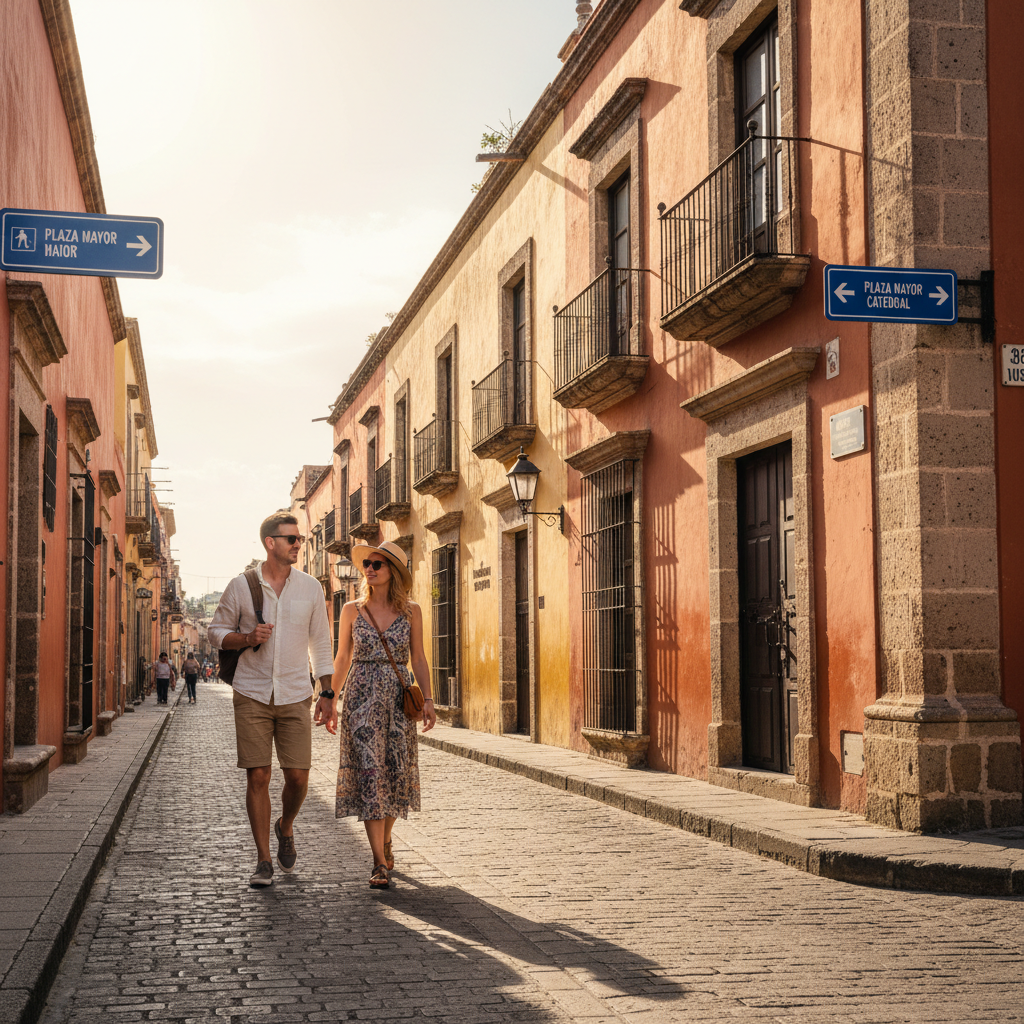
This guide focuses on the stuff that actually changes outcomes: how to assess an area, what to do with your phone and cash, how to use taxis and rideshares safely, and what “normal” caution looks like on a beach trip versus a city break.
Know what “safe” means in Mexico (and what it doesn’t)
Safety in Mexico usually isn’t about random violence targeting tourists, it’s more often about opportunistic theft, scams, and risky transportation choices. That said, certain regions can have higher rates of serious crime, and local conditions can shift.
According to the U.S. Department of State, travelers should review Mexico Travel Advisories by state before booking and again close to departure, because guidance may change based on current events.
- Neighborhood matters more than the country label. Two areas 20 minutes apart can feel like different worlds.
- Time of day matters. Many tourist zones feel comfortable in daylight but get sketchier late at night.
- Your “risk budget” matters. A solo nightlife-heavy itinerary needs stricter habits than a resort stay.
Pick lodging and neighborhoods with fewer “friction points”
If you want how to stay safe in mexico for tourists in one sentence, it’s this: reduce the number of situations where you must improvise. Your hotel choice does that more than almost anything else.
What to look for when booking
- Walkability in daylight: cafés, pharmacies, grocery stores nearby, not just empty blocks.
- 24/7 staffed reception and controlled entry, especially in cities.
- Recent reviews that mention noise, street activity, and check-in safety at night.
- Clear pickup point for rideshares and taxis, ideally inside or right outside a guarded entrance.
A small but useful move: message the property and ask which streets to avoid after dark and what transport they recommend from the airport. The answer often tells you how “tourist-ready” they are.
Move smart: airports, taxis, rideshares, and long-distance travel
Transportation is where many travelers accidentally create risk. It’s not about paranoia, it’s about reducing exposure to common problems like overcharging, wrong turns, or being dropped in the wrong place.
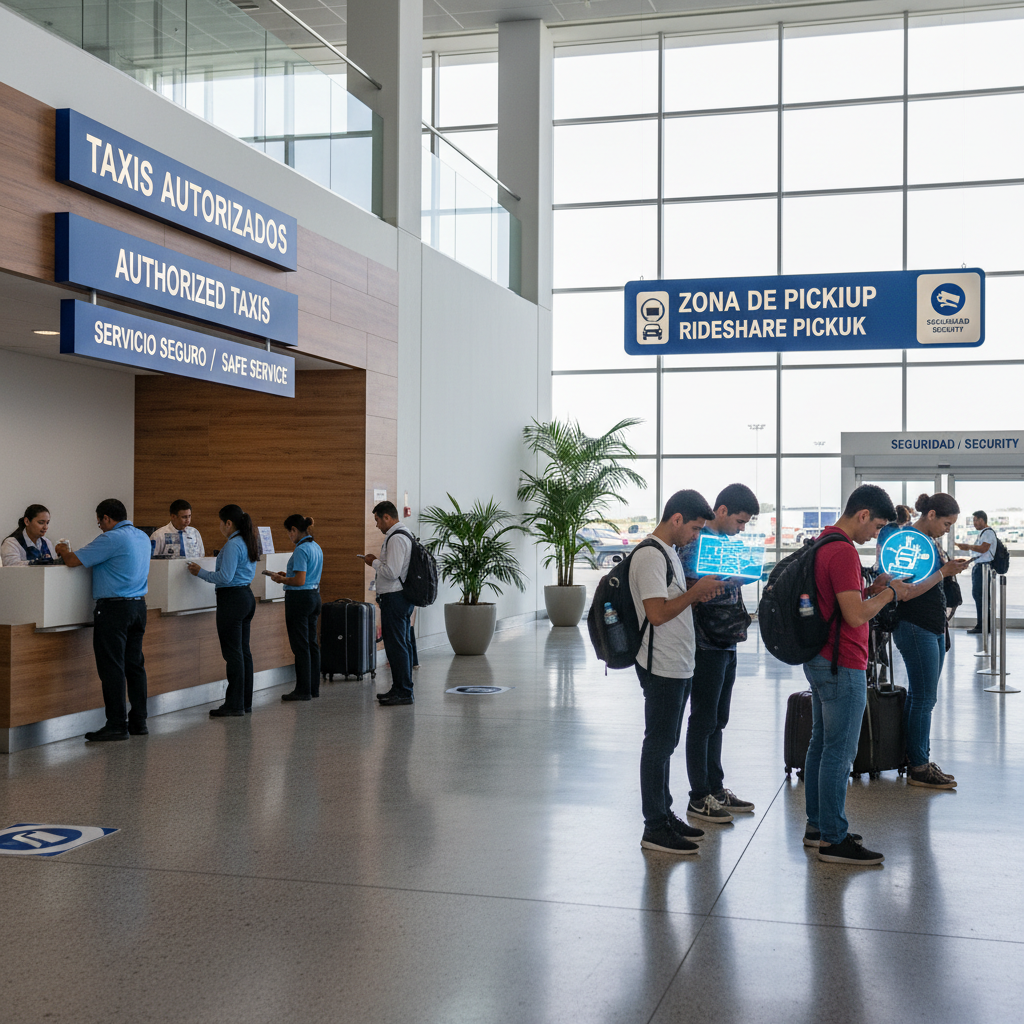
Airport arrivals
- Use official options: prepaid airport taxi booths, hotel-arranged transfers, or clearly designated rideshare pickup zones where permitted.
- Avoid “helpful” solicitors who approach you before you reach the authorized transport area.
- Screenshot your destination and keep the address in Spanish and English in case data drops.
City transport
- Rideshares can be convenient in many cities, but rules and availability vary; double-check local norms before relying on it at night.
- Authorized taxis: use taxi stands at hotels, malls, and airports when possible, agree on price in advance if there’s no meter.
- Public transit: in some cities it’s fine in busy daytime corridors, but keep valuables secured and avoid empty stations late.
Intercity travel
- Prefer daytime intercity trips and major bus lines with assigned seating and controlled terminals.
- Think twice about night driving in unfamiliar areas; road conditions and checkpoints can add complexity.
- Share your itinerary with a friend or family member, including bus line/flight numbers.
Money, phones, and valuables: the low-drama setup that works
Most tourists don’t “lose everything” in Mexico, but plenty lose a phone or wallet and spend half a day canceling cards. A few small habits prevent the headache.
Practical setup
- Carry two payment methods: one card on you, one stored separately in your lodging.
- Use a low-profile wallet and keep it in a front pocket or zipped bag, not a back pocket.
- Keep your phone boring: avoid flashing it curbside, don’t set it on café tables near the edge.
- Enable protections: PIN/Face ID, “Find My” features, and device backups before travel.
- Cash strategy: keep small bills for tips and taxis, don’t pull out a thick wad in public.
For ATMs, use machines inside banks or busy malls when you can. If something feels off, lighting, people hovering, unusual add-on devices, just leave and find another.
Scams and petty crime tourists actually run into
When people ask how to stay safe in mexico for tourists, they usually mean “how do I avoid getting played.” The good news is most scams repeat the same patterns: urgency, confusion, and pressure to pay right now.
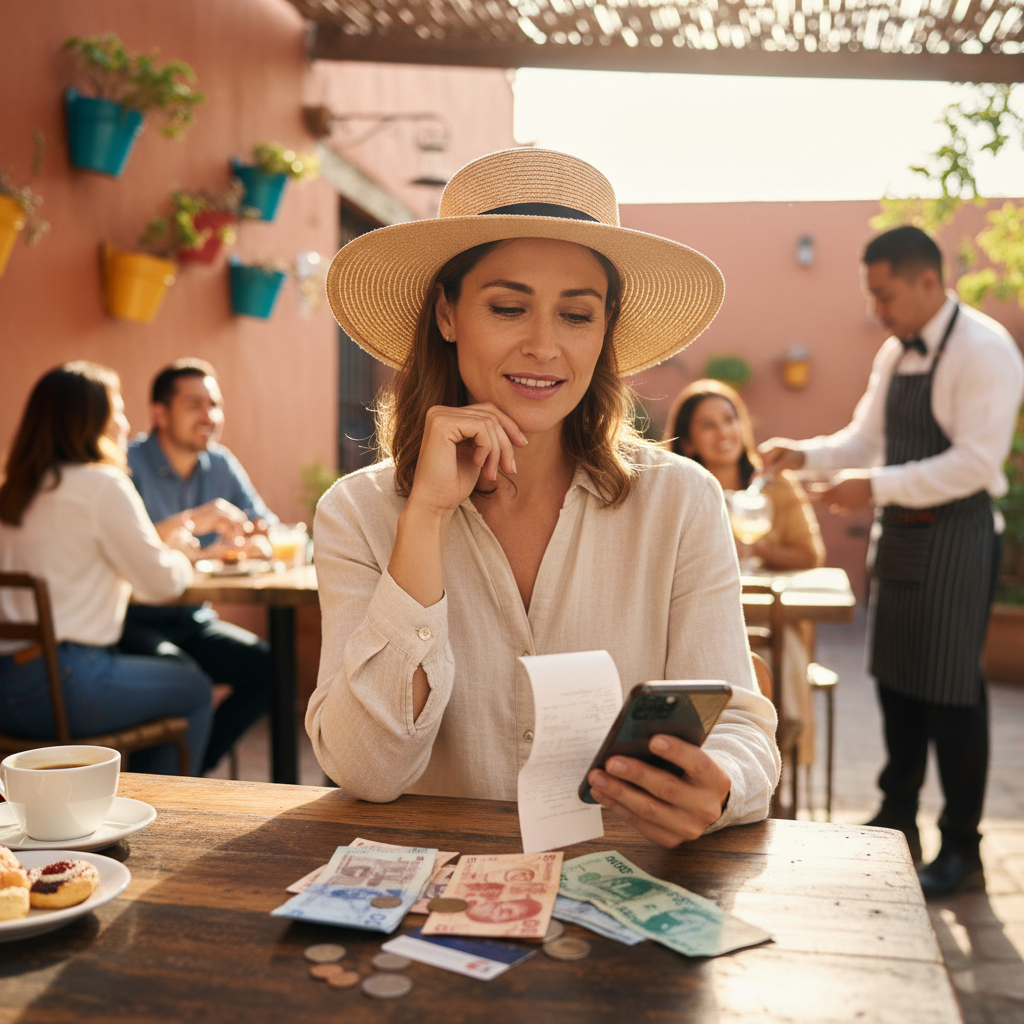
Common scenarios (and what to do)
- Overpriced taxis: ask your hotel what a typical fare is, confirm price before entering.
- Card “double charge” confusion: pay attention to currency and total, keep receipts, use tap-to-pay when available.
- Street distractions (spills, bumping): stop moving, check your belongings, don’t engage with a crowd.
- Timeshare-style invitations: “free tour/free breakfast” that becomes high-pressure sales, a polite no saves hours.
- Police shakedown claims: stay calm, ask for identification, request to go to the station or call your consulate if you feel pressured.
According to the U.S. Embassy & Consulates in Mexico, it’s smart to keep copies of your passport and entry documents and understand local emergency contacts; if an interaction feels wrong, getting to a more public, official setting can help.
A quick self-check: what level of caution do you need?
Not every trip needs the same rules. This checklist helps you pick a realistic safety posture without ruining the vibe.
- Low complexity: resort stay, daytime excursions, hotel transport, minimal nightlife.
- Medium complexity: city stay in tourist neighborhood, some nightlife, frequent rideshares.
- Higher complexity: solo travel, late nights, remote areas, renting a car, heavy cash use.
If you land in “higher complexity,” it doesn’t mean don’t go, it means you should plan more tightly: fixed pickup points, fewer spontaneous neighborhood changes, and earlier nights when you’re not sure.
Do this, not that: a practical safety table
Sometimes the easiest way to remember how to stay safe in mexico for tourists is a simple swap list.
| Situation | Do this | Not that |
|---|---|---|
| Arriving at airport | Use prepaid taxi booth or hotel transfer | Accept offers from random solicitors |
| Getting around at night | Call rideshare/taxi from inside your hotel | Flag a car on a quiet street |
| Carrying cash | Split cash, keep small bills handy | Flash a full wallet at the counter |
| Using your phone | Step inside a shop to check maps | Stand curbside scrolling with phone out |
| Choosing excursions | Book reputable operators with clear meeting points | Take last-minute offers with vague details |
| Drinking and nightlife | Watch your drink, leave with your group | Get separated late with low battery |
Emergency planning that doesn’t take over your trip
This is the part people skip because it feels dramatic, but it’s usually just a 15-minute setup that makes everything calmer.
- Save key contacts: your hotel, local emergency number, and your bank’s international line.
- Backups: photo of passport, travel insurance info, and a second form of ID stored separately.
- Medical basics: bring any prescriptions in original packaging, and if you have a condition, consider asking a clinician before travel.
- Meet-up plan: choose a “if phones die” meeting point for your group.
According to the Centers for Disease Control and Prevention (CDC), travelers should review destination-specific health guidance and stay current on routine vaccines; if you have medical concerns, it’s reasonable to consult a healthcare professional before you go.
Key takeaways (so you can actually remember them)
- Plan to avoid improvisation: good lodging and clear transport choices do a lot of the work.
- Keep valuables boring and secure: split cards, carry small cash, protect your phone.
- Trust pattern recognition: pressure, urgency, and confusion often signal a scam.
- Match caution to itinerary: a resort week and solo nightlife trip need different rules.
If you want a simple next step, check the latest advisory for your state-by-state route, then lock in airport transport and your first two days of logistics. Once those pieces feel solid, Mexico usually feels a lot more relaxed.