
Rainforest canopy travel tour planning usually gets tricky for one simple reason: most listings look identical, but the experience varies wildly once you’re strapped into a harness, staring at a wet platform, and realizing you picked the wrong time of day or the wrong operator.
This guide focuses on what actually changes your day in the canopy, safety standards, tour types, what to pack, and how to match a tour to your comfort level without overthinking it. If you want a trip that feels adventurous but not chaotic, you’re in the right place.
One common misconception: canopy tours are all zip lines. In many destinations, “canopy” can mean hanging bridges, tower climbs, short hikes to platforms, or a mix. That difference matters for fitness level, motion sensitivity, and even what shoes make sense.
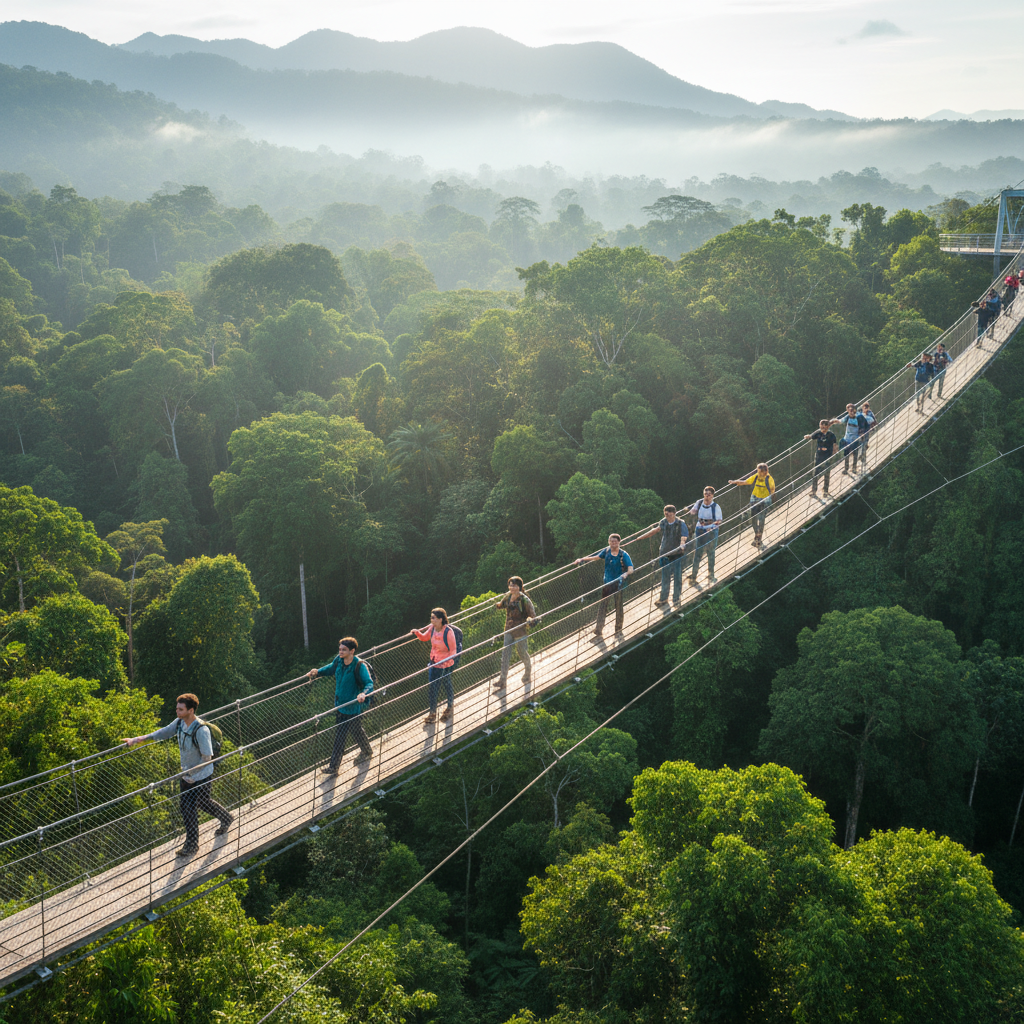
And yes, weather is part of the deal. Rain can make the canopy feel more “real,” but it also changes traction, visibility, and how long you’ll want to linger in platforms. A good tour plan respects that reality instead of pretending it won’t happen.
What a Canopy Tour Really Includes (and Why That Matters)
Most people book based on photos, but the real value is the structure of the experience. A rainforest canopy travel tour can be built around adrenaline, natural history, or a balanced mix.
Common canopy formats you’ll see
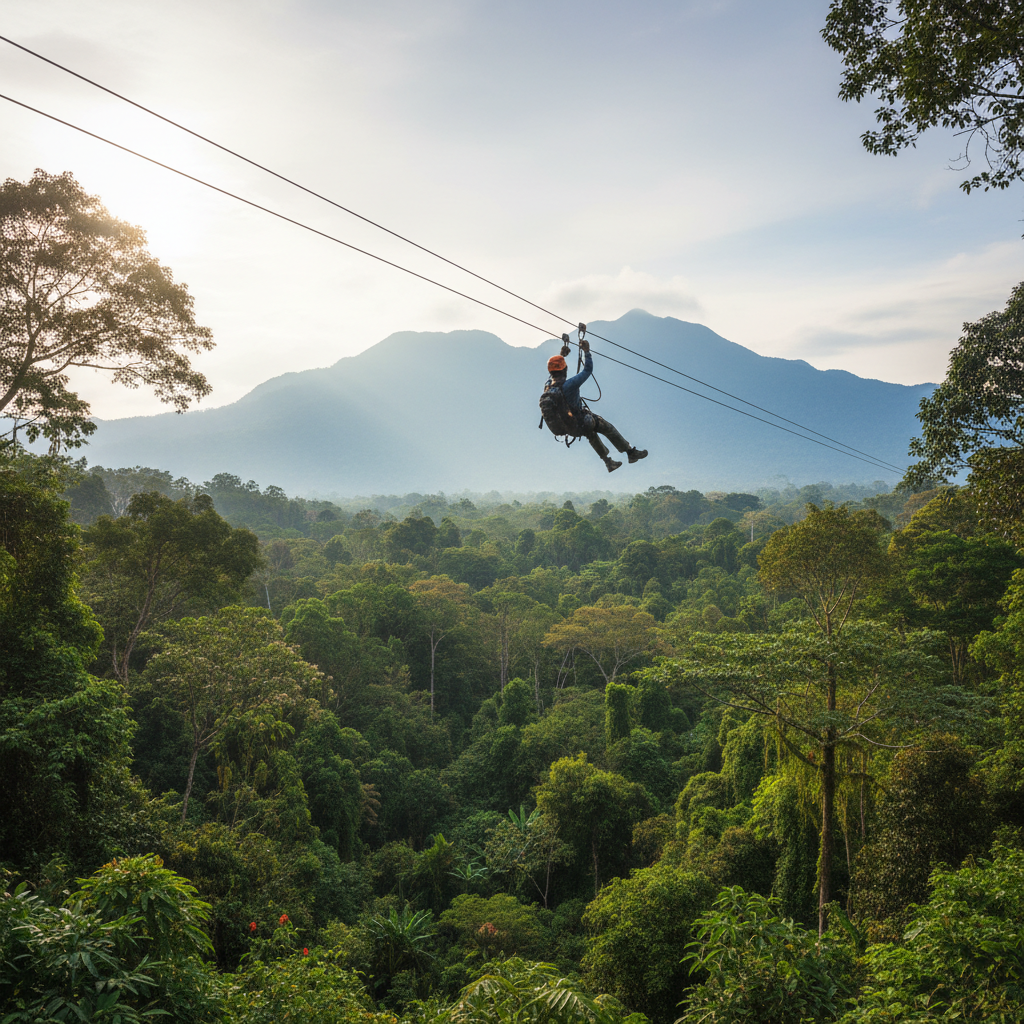
- Zip line circuits: multiple lines with platforms, often the most “adventure-forward.”
- Suspension bridges and walkways: slower pace, usually great for wildlife spotting.
- Canopy towers: vertical climb for panoramic views, often paired with guided interpretation.
- Night canopy experiences: lower speeds, more sensory, sometimes not ideal for first-timers.
When you compare operators, ask what percentage is active time versus logistics. Some tours look long because transportation and gear fitting add hours. That’s not bad, just worth knowing up front.
Why People End Up Disappointed (Real-World Causes)
Disappointment usually comes from mismatched expectations, not a “bad rainforest.” If you’ve ever booked a tour that felt rushed, crowded, or oddly tame, these patterns tend to be behind it.
- Timing mismatch: midday can mean heat, glare, and fewer wildlife moments compared to early starts.
- Group size: big groups move slower and can dilute the guided portion.
- Over-indexing on thrill: “longest zip line” marketing sometimes ignores comfort, views, or pacing.
- Underestimating rain: wet harness straps, fogged lenses, and slippery stairs change the vibe.
- Wrong difficulty level: too easy can feel boring, too hard can feel stressful.
According to the U.S. Forest Service, staying on designated trails and respecting safety guidance helps reduce accidents and protects sensitive habitats. Even if you’re outside the U.S., the principle holds, well-managed access matters.
Quick Self-Check: Which Canopy Experience Fits You?
Before you book, decide what you want to feel at the end of the day: “I conquered something,” “I learned a lot,” or “I had a beautiful, easy adventure.” This mini checklist helps you choose without spiraling.
- If heights spike your anxiety: prioritize bridges with handrails and shorter zip lines, avoid “superman” lines on your first try.
- If you get motion sick: pick tours with less bouncing and fewer hanging platforms, ask about bridge stability.
- If you care about wildlife: choose slower, guide-heavy itineraries, ideally early morning.
- If you want maximum adrenaline: look for higher line count, varied line styles, and small group caps.
- If you travel with kids: confirm minimum age/weight, and ask how they handle nervous participants.
One small but telling question to ask: what happens if someone freezes mid-course? Good operators have a calm, practiced protocol, and they’ll explain it without getting defensive.
How to Choose a Tour Operator (Beyond Star Ratings)
Reviews help, but they often reflect personality more than safety or quality. For a rainforest canopy travel tour, focus on operator signals that correlate with consistent experiences.
What to look for when you compare options
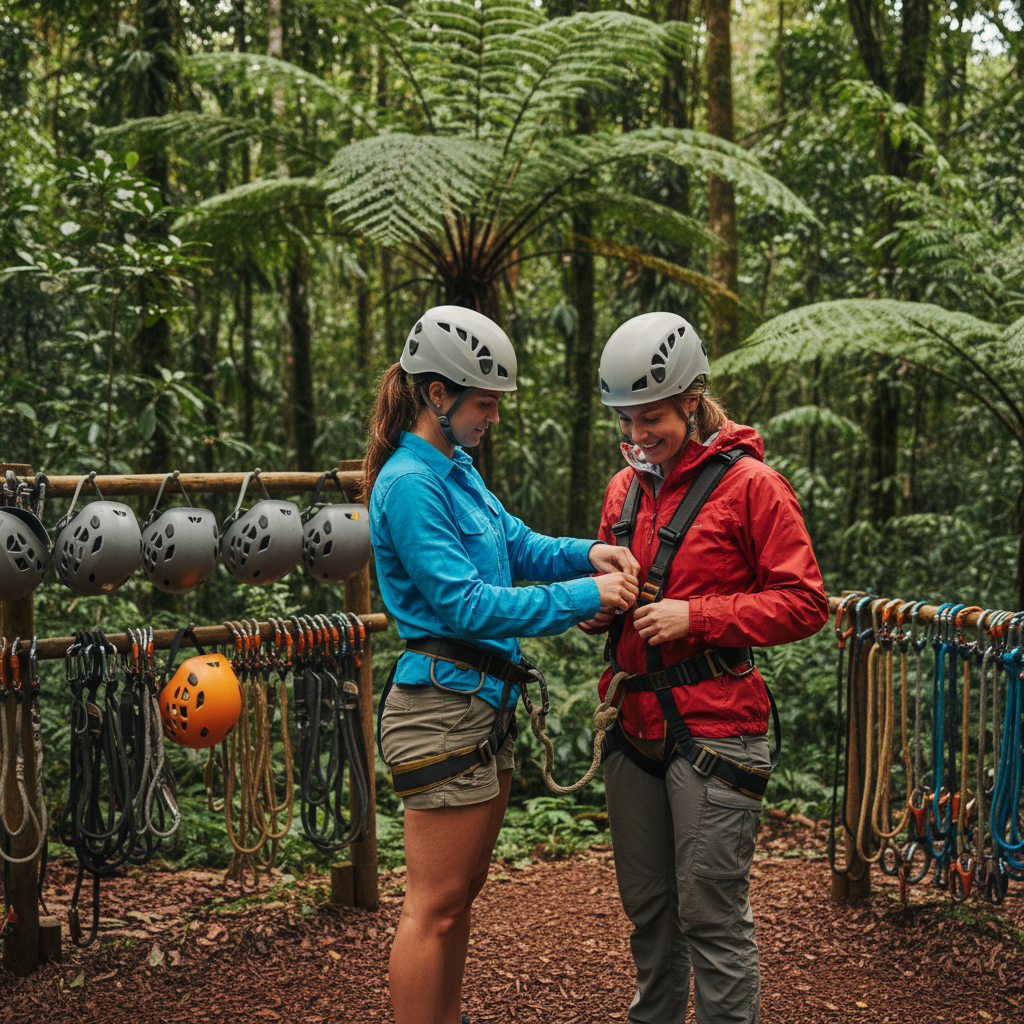
- Clear safety briefing: not just “sign here,” but a real demo, practice line, and time for questions.
- Guide-to-guest ratio: smaller ratios often mean smoother pacing and better coaching.
- Modern gear and visible inspection habits: clean harnesses, helmets in good condition, systems that look maintained.
- Transparent constraints: weight limits, medical cautions, weather policy, and rescheduling rules stated upfront.
- Leave No Trace alignment: groups that respect trails and wildlife tend to run a tighter operation.
According to Leave No Trace Center for Outdoor Ethics, minimizing impact includes staying on durable surfaces and not feeding wildlife. Tours that build this into the guide script are usually thinking long-term, not just selling thrills.
Planning Basics: Timing, Weather, and What to Pack
Most canopy tours don’t require hardcore prep, but small choices can massively improve comfort, photos, and energy. In many rainforest regions, mornings are cooler and can feel calmer, while afternoons can bring more rain.
What to pack (practical, not fussy)
- Closed-toe shoes with grip, ideally something that still feels stable when wet.
- Light rain layer you can move in, not a stiff poncho that flaps in harness straps.
- Quick-dry clothing, avoid heavy denim if you expect humidity or showers.
- Small dry bag or zip pouch for phone and ID.
- Bug protection where appropriate, but follow local guidance and sensitive-skin needs.
- Water, and a small snack if the operator allows it.
If you bring a camera, think about attachment, not just image quality. A strap that stays tight matters more than a fancy lens when you’re moving between platforms.
Safety and Comfort: What “Good” Looks Like On-Site
This is where you should trust your instincts. A rainforest canopy travel tour can be adventurous and still feel well-managed. If it feels chaotic at check-in, that usually doesn’t improve mid-course.
Healthy signs during the briefing
- Hands-on practice: you try braking or positioning before you’re high up.
- Simple rules explained well: staff can tell you “why,” not just “because.”
- Consistent clipping protocol: guides visibly check connections at each transition.
- Weather calls feel conservative: pauses for lightning or high wind, not pressure to push through.
According to OSHA, fall protection programs rely on proper training, equipment inspection, and clear procedures. Tour operations are not identical to workplaces, but the safety logic overlaps, good systems beat bravado.
If you have a medical condition, recent injury, or pregnancy, it’s smart to ask a clinician for personalized advice and to disclose constraints to the operator. Many situations are manageable, but you want informed choices, not surprises in a harness.
At-a-Glance Comparison Table (Use This When Booking)
When you’re deciding between two tours that “look the same,” compare them on friction points, not hype. This table keeps it simple.
| What to compare | Better for you if… | Question to ask |
|---|---|---|
| Zip lines vs. bridges | You want adrenaline vs. slower wildlife viewing | How much time is zip lining versus walking? |
| Group size | You prefer calm pacing and more guide attention | What’s the maximum guests per start time? |
| Start time | You want cooler temps and clearer photos | Do you recommend morning or afternoon in this season? |
| Physical intensity | You’re managing knees, fitness, or kids | How many stairs and how long is the walk between platforms? |
| Weather policy | You want predictable expectations | What conditions trigger a pause, reroute, or reschedule? |
Practical Steps: Book, Show Up, and Actually Enjoy It
Here’s the process that tends to reduce stress and increase fun, especially if this is your first canopy experience.
- Before booking: confirm limits, terrain, and the exact tour format, then choose the start time you can handle without rushing.
- 24 hours before: check the forecast, charge your phone, and set expectations that you might get wet.
- On arrival: speak up about concerns early, guides can adapt pacing more easily before you launch.
- During the tour: don’t rush transitions, that’s when small mistakes happen and photos get dropped.
- After: tip if it’s customary locally and feedback specifics, “great safety briefing” helps good operators.
Key takeaways: pick the canopy style that matches your comfort level, prioritize clear safety culture, and pack for humidity and rain instead of fighting it.
Conclusion: A Better Canopy Day Comes From Better Matching
A rainforest canopy travel tour feels magical when the tour type fits your personality, the operator runs a disciplined safety routine, and you prepare for weather like it’s part of the ticket. Once those pieces line up, the rainforest does the rest.
If you take just one action, message the operator with three questions: group size, weather policy, and how much of the tour is zip lining versus walking. The answers tell you more than another scroll through photos.
FAQ
- What should I wear on a rainforest canopy travel tour?
Quick-dry clothes and closed-toe shoes with grip usually work well. Avoid anything that snags easily, and plan for light rain even on “nice” days. - Are canopy tours safe for beginners?
Many are beginner-friendly when the operator provides practice, clear rules, and active guide checks. If you’re nervous with heights, ask about bridges, platform stability, and what their backup plan is if someone freezes. - How do I choose between zip lines and canopy bridges?
Zip lines skew toward adrenaline and speed, bridges skew toward views and wildlife pacing. If you’re unsure, pick a hybrid tour so you get both without committing to a full circuit of either. - What happens if it rains during the tour?
Light rain often continues with adjustments, but conditions like lightning or high winds can trigger pauses or reroutes. Ask the operator how they decide, and whether rescheduling is possible. - Is a canopy tour okay if I have knee or back issues?
It depends on the course layout, some have lots of stairs and uneven approaches. It’s wise to describe your limitations to the operator and consider checking with a medical professional for personalized advice. - How far in advance should I book?
In peak travel seasons, popular start times can fill up. If you have a tight itinerary or want a small group slot, booking earlier reduces last-minute compromises. - Can I bring my phone or camera on the course?
Often yes, but you should secure it with a tether or zip pocket. Dropping items is a common frustration, and some operators restrict handheld devices for safety.
If you’re planning a trip and want a more tailored shortlist, it helps to share your destination, travel dates, comfort with heights, and whether you care more about thrills or wildlife, then you can narrow options fast and avoid booking a tour that looks great but feels wrong in real life.