
The best travel guide for norway 2026 is the one that matches how you actually travel, your season, your budget, and how much moving around you can tolerate without burning out.
Norway looks simple on a map, but planning gets tricky fast, distances are long, transport connections matter, and prices punish “we’ll figure it out later” habits more than many Americans expect.
This guide focuses on practical choices, when to book, where people waste time, and how to build an itinerary that feels like Norway, fjords, coastal towns, hikes, and maybe the Northern Lights, without turning it into a logistics marathon.
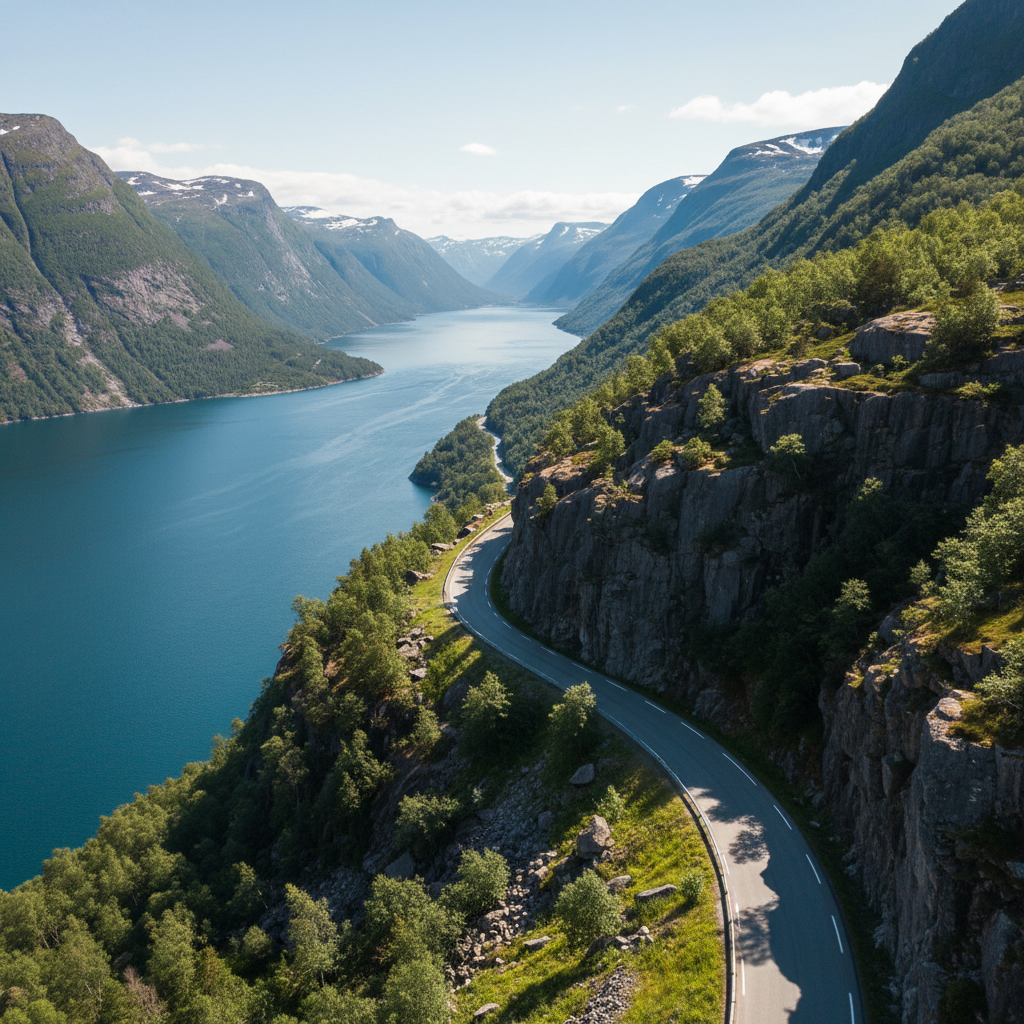
What’s new (and what still matters) for Norway travel in 2026
Most Norway trip advice ages well because the landscape stays the headline, but your planning success usually comes down to the boring parts: timing, reservations, and choosing fewer bases.
- Demand patterns: Peak summer and school breaks remain crowded in the hotspots, so lodging and iconic scenic trains or ferries can sell out earlier than you think.
- Card-first travel: Norway is widely cashless in day-to-day scenarios, though it’s still smart to keep a backup payment method.
- Weather reality: Coastal and mountain weather changes quickly, so building a plan with “weather-flex” days saves a lot of frustration.
According to Visit Norway, conditions and accessibility can vary by season and region, so the “best” month depends on what you want to do, hiking, fjords, skiing, or aurora viewing.
Choose your Norway style: fjords, cities, Arctic, or road trip
People search for the best travel guide for norway 2026 because they want a single perfect route, but Norway rewards picking a primary theme, then adding one or two supporting experiences.
Four common trip styles (pick one as your anchor)
- Fjords first: Bergen + a fjord region base, great for first-timers who want “Norway in photos.”
- City + culture: Oslo + Bergen/Trondheim, museums, food, neighborhoods, easier pace.
- Arctic focus: Tromsø or Lofoten, winter aurora or summer midnight sun, more weather sensitivity.
- Road trip loop: Maximum freedom, also maximum planning, especially with ferries and scenic drives.
If you only take one planning principle, let it be this: fewer bases, longer stays, earlier bookings for what matters.
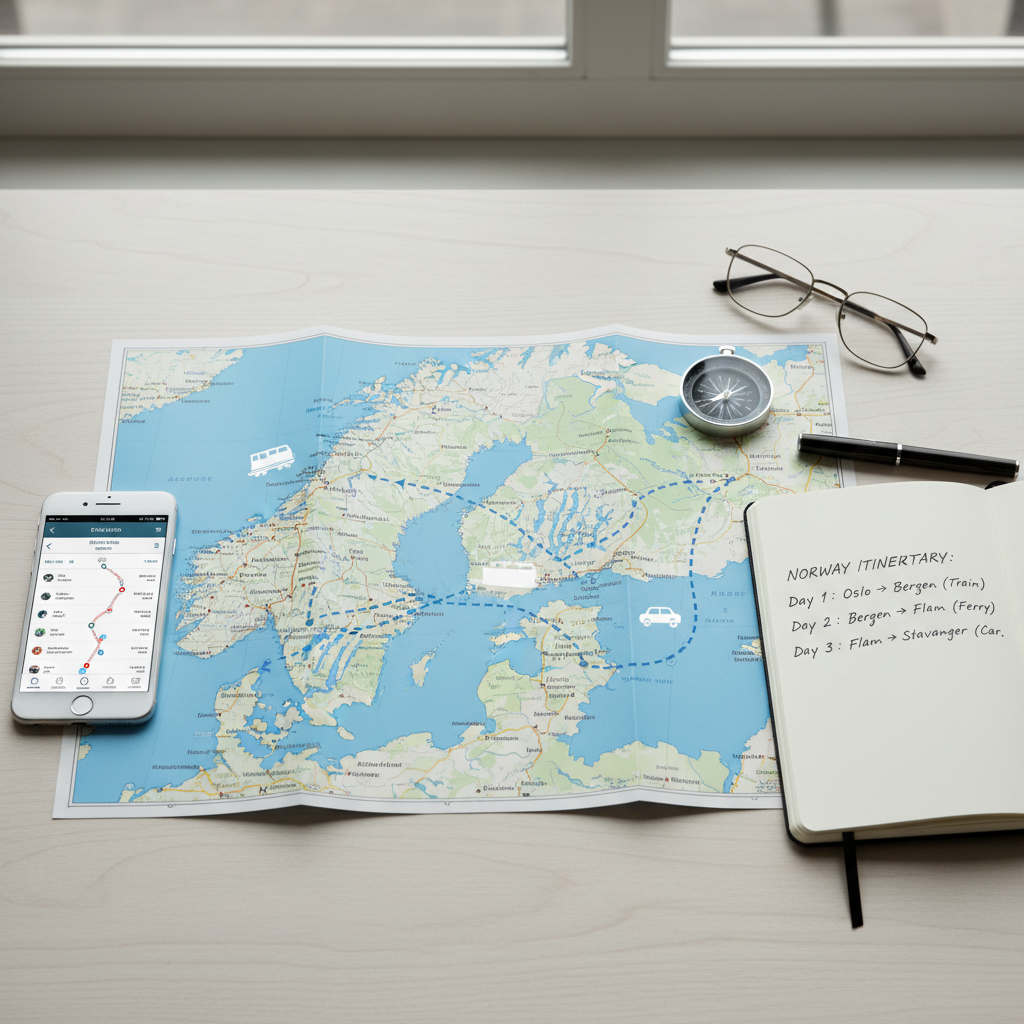
A quick self-check: which season and length fit you best?
Before you chase specific towns, get honest about your season window and how many “move days” you can handle. This saves you from building a beautiful itinerary you won’t enjoy.
Season decision checklist
- Want long days, hikes, waterfalls: late spring to early fall usually fits, but expect crowds in mid-summer.
- Want Northern Lights: you typically need darker months in the north, plus patience for cloud cover.
- Want fewer crowds and lower lodging pressure: shoulder season can be great, with more weather risk.
- Want snow sports: winter in ski regions makes sense, and cities still work with shorter daylight.
Trip length reality check
- 5–7 days: 1–2 regions, no cross-country zigzags.
- 8–12 days: 2–3 regions, with one longer scenic transit day.
- 13–16 days: fjords + Arctic combo becomes realistic, still not “everything.”
According to the Norwegian Meteorological Institute, weather can shift quickly in coastal and mountain areas, so packing and daily plans benefit from flexibility.
Sample itineraries you can actually execute (without sprinting)
Use these as “shape templates,” then swap towns based on your interests. Many travelers lose time by changing hotels every night, which looks efficient on paper and feels exhausting in practice.
Option A: 7–9 days, classic fjords + Bergen
- Days 1–2: Oslo (arrive, museums, waterfront neighborhoods)
- Day 3: Scenic rail toward the west, overnight Bergen
- Days 4–6: Fjord region base, day cruises, short hikes, viewpoints
- Days 7–9: Bergen + fly out (or return to Oslo if needed)
Option B: 10–12 days, fjords + a coastal drive
- Oslo to Bergen for cities and food
- 2–3 nights in one fjord base
- 2–4 nights road trip segment with pre-checked ferry links
- Buffer day for weather, this is the day that saves the trip
Option C: 12–15 days, fjords + Tromsø for Arctic flavor
- Start with Oslo and the west
- Fly north mid-trip to reduce long ground transfers
- Leave 3–5 nights in Tromsø area for tours and weather windows
Budget and booking: where Americans overspend in Norway
Norway can feel expensive because the baseline is high, but “expensive” often means you booked late, stayed in the wrong place, or paid convenience premiums repeatedly.
Common budget traps
- Late lodging in small towns: you end up far from the center or in pricier options.
- Car rental without a route plan: scenic spontaneity is fun until ferries, tolls, and long drives stack up.
- Restaurant-only meals: even one grocery run per day changes the math.
- Overpacked itinerary: you pay to move, then pay again for last-minute fixes.
Simple booking priorities (what to lock first)
- Key lodging nights in Bergen, fjord gateways, Lofoten, Tromsø, or any small town with limited inventory
- Signature transport you refuse to miss, scenic rail segments, popular fjord cruises, limited tour slots
- Car + ferry awareness, verify routes, crossings, and realistic drive times
According to the U.S. Department of State, travelers should review destination-specific travel information and keep documents and emergency plans in order, especially when moving across regions.
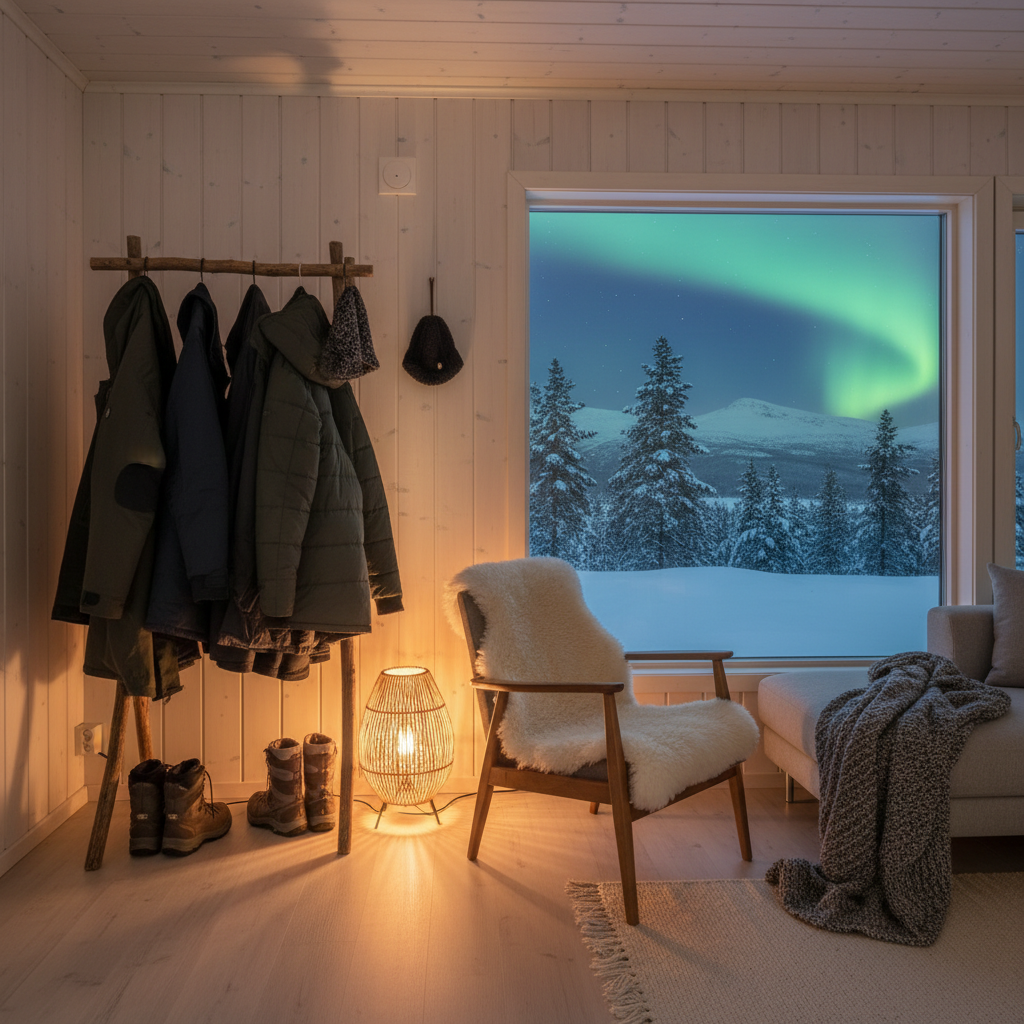
Transportation in Norway: train vs car vs flights (with a planning table)
Getting around is where most itineraries break. Norway has excellent infrastructure, but you still need to respect geography, fjords act like “water walls,” and mountain roads can slow plans.
| Option | Best for | Upside | Watch-outs |
|---|---|---|---|
| Train | Oslo–Bergen corridors, scenic comfort | Relaxed travel day, no driving stress | Limited coverage in remote fjord villages |
| Car | Flexible fjord drives, viewpoints, short hikes | Freedom to stop, carry gear, move at your pace | Ferries, tolls, parking, long drives add fatigue |
| Domestic flights | North–south jumps, time savers | Protects vacation time, avoids marathon transfers | Weather disruptions possible, baggage rules vary |
| Ferries/boats | Fjord crossings and scenic cruising | Often the most “Norway” moment | Schedules matter, booking helps in busy periods |
If you’re aiming for the best travel guide for norway 2026 experience, plan your transport around your anchors, not around “seeing everything,” then add day trips that don’t force you to repack daily.
Practical, do-this-next planning steps (a lightweight workflow)
Here’s a process that works even if you only have an hour tonight. Keep it simple, then refine.
- Step 1: Choose one anchor region and one supporting region, write them as “Base A” and “Base B.”
- Step 2: Decide your move days, most trips feel better with 2–4 move days total.
- Step 3: Put one weather-flex day in the fjords or the north, then stop arguing with yourself.
- Step 4: Lock lodging for limited-inventory areas, then match transport to those dates.
- Step 5: Add activities last, prioritize 1 must-do per day and keep the rest optional.
Key takeaways (save this)
- Norway rewards fewer bases, you’ll see more by moving less.
- Book small-town lodging early, it’s the bottleneck more often than flights.
- Build around weather, especially for hikes and Northern Lights.
- Match transport to geography, fjords change drive times more than your map suggests.
For safety, check local guidance before hikes, conditions can change, and if you’re unsure about a route, it’s smart to ask local staff or a certified guide.
Mistakes to avoid (the ones that quietly ruin good trips)
These are common because they sound reasonable when you plan from home, then they cost time once you arrive.
- Trying to “do Oslo, Bergen, Lofoten” in one week: you’ll spend the trip in transit.
- Assuming summer means stable weather: you may still get rain and fog in fjord areas.
- Choosing lodging far outside towns to save money: you often pay back that “saving” in time and transport.
- Overcommitting tours: leaving no slack makes cancellations and weather shifts feel catastrophic.
According to Visit Norway, many outdoor areas require visitors to follow local rules and respect nature, which includes staying on trails when recommended and checking conditions.
Conclusion: how to make your Norway trip feel effortless
The best travel guide for norway 2026 boils down to good choices, pick your theme, commit to fewer bases, reserve the bottlenecks early, and give weather room to do what it does.
If you want one action today, draft your trip as two bases plus one buffer day, then check if every transfer still feels reasonable, if it doesn’t, cut something now rather than on the road.