
Best budget hostels for solo travelers in 2026 usually share a few traits, clean dorms you can actually sleep in, staff who enforce house rules, and a social setup that helps you meet people without forcing it.
If you’ve ever booked a “cheap but central” place that turned out to be loud, sketchy, or weirdly isolating, you already know why this topic matters. Hostels can be amazing for solo trips, but only if the basics are solid and the vibe fits how you travel.
This guide focuses on how to pick the right budget hostel in 2026, what to verify before you pay, and a short list of reliable hostel “types” and cities that tend to work well for Americans traveling solo. I’ll keep it practical, because the real win is fewer booking regrets.

What “best” means for solo travelers (and what it doesn’t)
For solo travel, “best” rarely means the absolute lowest price. It usually means the cheapest option that still feels safe, sleepable, and social, because a $6 savings isn’t worth a 2 a.m. party dorm or missing gear.
When you scan listings, try to score them on four pillars:
- Safety basics: secure entry, lockers that fit your bag, staff presence at night, clear rules.
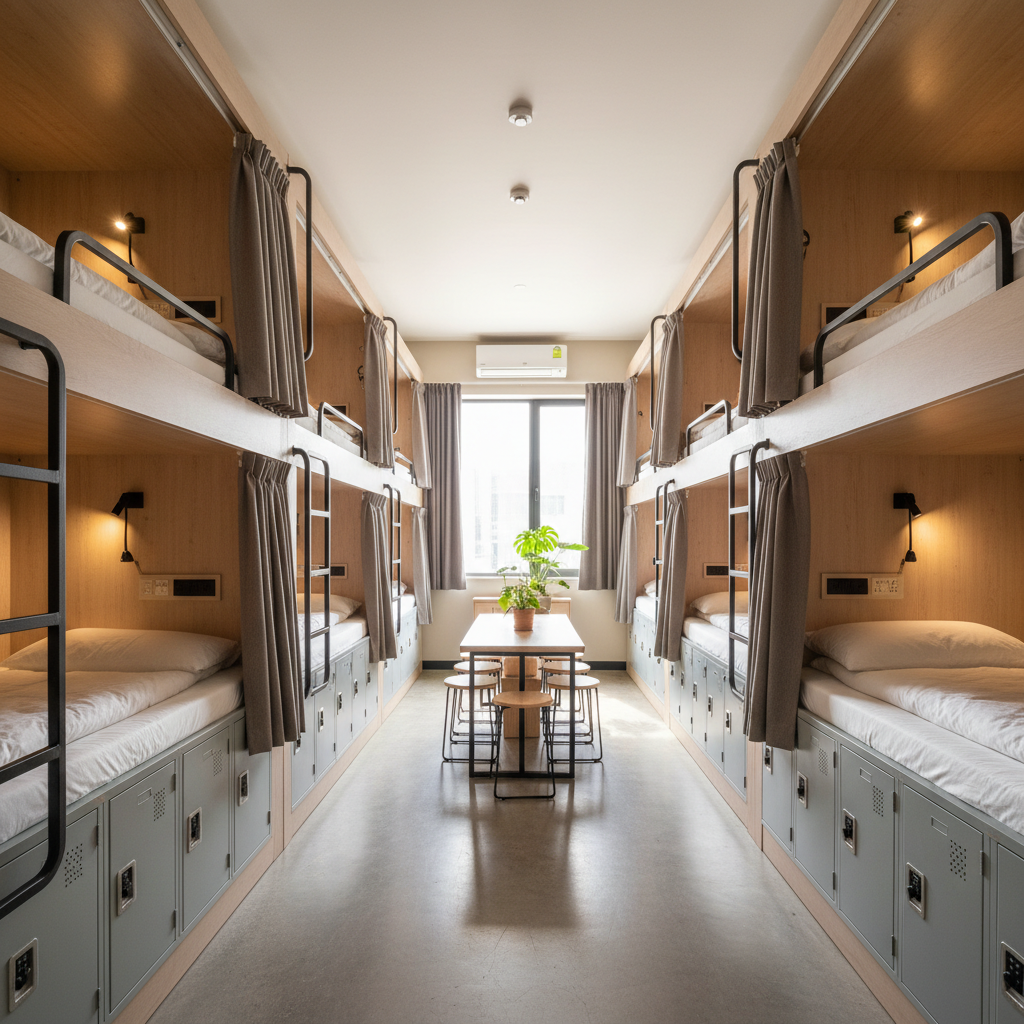
- Sleep quality: curtains, reading lights, mattress quality, quiet hours, decent ventilation.
- Solo-friendly social design: common room that isn’t just a couch, group activities, tours, communal dinners.
- True cost: taxes, linens, towel rental, key deposit, paid lockers, “cash only” surprises.
One misconception that trips people up: “party hostel” and “social hostel” aren’t the same. A social hostel gives you ways to connect, a party hostel sells noise. Sometimes that’s your thing, but know what you’re paying for.
Quick shortlist: hostel styles that usually work for solo travelers
Instead of chasing one mythical list of the best budget hostels for solo travelers worldwide, it’s more reliable to recognize the styles that consistently deliver. These are the ones that tend to work in a lot of cities.
1) Community-first hostels
Look for hosted dinners, walking tours, game nights, and a common area that people actually use. These are the easiest for making friends without awkwardly hovering.
2) Quiet-but-social hostels
They’ll still run events, but they enforce quiet hours and keep bar nights contained. Great if you want a morning start or you’re mixing work with travel.
3) Capsule and privacy-forward hostels
In 2026, more budget places offer pod-style bunks or curtained beds. You still meet people in shared spaces, but you get more personal downtime.
4) “Hostel-hotel hybrids”
Often a little pricier, but the shared rooms can be well managed, and private rooms may be a good value for a reset night. Watch for resort fees in some markets.
How to evaluate a hostel listing in 10 minutes (without overthinking it)
If you only do one thing before booking, do this. A fast audit catches most bad picks.
- Map check: Is it near transit and lit streets, or “central” in a way that feels isolated at night?
- Recent reviews only: Filter to the last 3–6 months, then search within reviews for “security,” “noise,” “bedbugs,” “theft,” “staff.”
- Bathroom ratio: Listings often hide this, but reviews will mention lines or cleanliness fast.
- Locker reality: “Lockers available” can mean tiny. Confirm if your carry-on fits.
- House rules: 24-hour reception, quiet hours, guest policy, alcohol policy.
- Photo tells: Curtains on bunks, bed spacing, condition of the kitchen, crowd vibe.
According to the U.S. Department of State (travel.state.gov), travelers should review local safety conditions and plan transportation in advance. For solo trips, I’d translate that into one booking habit: avoid hostels that require a long, unfamiliar walk from transit late at night, even if the price is tempting.
Budget reality check: what you’ll really pay in 2026
The sticker price is only part of the story. In many cities, fees and add-ons can nudge a “budget” bed closer to a low-end hotel, especially during peak season.
Use this mini cost table as a pre-book checklist. The goal is to compare apples to apples.
| Cost item | Why it matters for solo travelers | What to look for |
|---|---|---|
| Taxes & city fees | Can add noticeable nightly cost in popular cities | Final checkout price, not just per-night rate |
| Linens/towel add-on | Late arrival plus missing linens feels miserable | “Included” vs rental cost and deposit |
| Locker/lock | Security and peace of mind when you’re alone | Free locker, bring-your-own lock, size notes |
| Key deposit | Cash deposit can be inconvenient | Card hold vs cash-only policies |
| Cancellation terms | Solo plans change, flights shift, weather happens | Flexible window and penalty size |
If your goal is the best budget hostels for solo travelers, “budget” should include your stress level. Sometimes paying a bit more for predictable check-in, strong lockers, and a quieter dorm is the real value.
Safety and comfort: practical steps that reduce risk
No hostel is “risk-free,” and safety depends on city, season, and your own habits. Still, a few small choices tend to reduce problems.
- Pick smaller dorms when possible: 4–6 beds often balance price and sleep.
- Bring a real lock: Don’t rely on front desk padlocks being available.
- Use internal pockets: Passport, cards, and phone stay on-body at night.
- Arrive earlier if you can: You’ll get oriented, meet people naturally, and avoid late-night navigation.
- Trust patterns, not one-off drama: One angry review happens, repeated comments about theft or staff indifference matter.
Health note: if you see repeated mentions of pests, persistent mold smell, or severe cleanliness issues, consider booking elsewhere. If you suspect bites or a reaction, it may be wise to consult a medical professional.
Picking by destination: where budget hostels often shine for Americans
Some destinations are simply more hostel-friendly, with strong competition and better standards at low prices. This isn’t a guarantee, but it’s a useful bias when you’re planning a solo itinerary.
- Portugal (Lisbon, Porto): Lots of social hostels, walkable neighborhoods, solid transit.
- Spain (Barcelona, Madrid, Valencia): Wide range from quiet to very social, easy day trips.
- Japan (Tokyo, Osaka, Kyoto): Capsule-style options, clean facilities, good signage and transit.
- Mexico (Mexico City, Oaxaca): Great food scene, many hostels run tours and group dinners.
- Central Europe (Prague, Budapest, Kraków): Often strong value, plenty of structured social activities.
Where you may need more diligence: places with very seasonal demand, “party corridor” neighborhoods, or towns where hostels are rare and reviews are thin. In those cases, lean on flexible cancellation.

Action plan: book smarter in 2026 (step-by-step)
Here’s a simple workflow you can repeat city to city, especially useful when you’re bouncing between locations.
- Step 1: Decide your vibe goal for this leg: meet people, rest hard, or mix of both.
- Step 2: Shortlist 3–5 hostels by map location first, then compare reviews.
- Step 3: Prioritize “recent” reviews and look for management responses that sound specific.
- Step 4: Choose the room type intentionally: smaller dorm, female-only dorm if that helps you feel comfortable, or pod beds for privacy.
- Step 5: Book 2–4 nights, not your entire month, unless you know the place well.
- Step 6: On arrival, do a quick reset: locker setup, bed check, emergency exits, and a photo of your locker number.
Key takeaways: prioritize location and staff enforcement over freebies, read recent reviews like a detective, and treat “social” as a feature you can choose rather than a gamble.
Common mistakes that make “budget” feel expensive
Most hostel disappointments come from predictable mismatches, not bad luck.
- Booking the cheapest bed in the loudest room: you pay with sleep and next-day plans.
- Ignoring check-in windows: late arrivals can mean locked doors or chaotic room assignments.
- Assuming Wi‑Fi equals workable Wi‑Fi: if you need to work, look for review mentions of speed and stability.
- Overvaluing “free breakfast”: sometimes it’s toast and jam, which won’t offset a bad location.
- Forgetting personal comfort: earplugs, sleep mask, and a small towel can save a trip day.
When you’re searching for the best budget hostels for solo travelers, this is the mindset shift that helps: you’re not buying a bed, you’re buying a predictable night and an easy morning.
Conclusion: a “good hostel” is a strategy, not a unicorn
The best picks in 2026 tend to be the places that manage basics well, secure entry, enforceable rules, and spaces that make it easy to connect. If you’re torn between two options, choose the one with clearer recent reviews and a location that feels simple at night.
Action idea for your next booking: shortlist three properties, then spend ten minutes doing the quick audit before you pay. That small pause is often the difference between a fun solo stay and a “never again” story.