
Budget beach destinations can still feel out of reach in 2026 if you pick the wrong week, the wrong airport, or a “cheap” hotel with hidden resort fees, so this guide focuses on places and tactics that tend to keep your total trip cost under control.
You’ll get a short list of beach spots that many U.S. travelers can reach without crazy flight times, a quick cost comparison table, and practical ways to lower the two line items that usually blow up budgets: lodging and getting around once you arrive.
One quick note before we dive in, “affordable” is relative, and prices swing hard by school calendars, weather risk, and local events, so treat the numbers as planning ranges, then verify real-time prices for your dates.
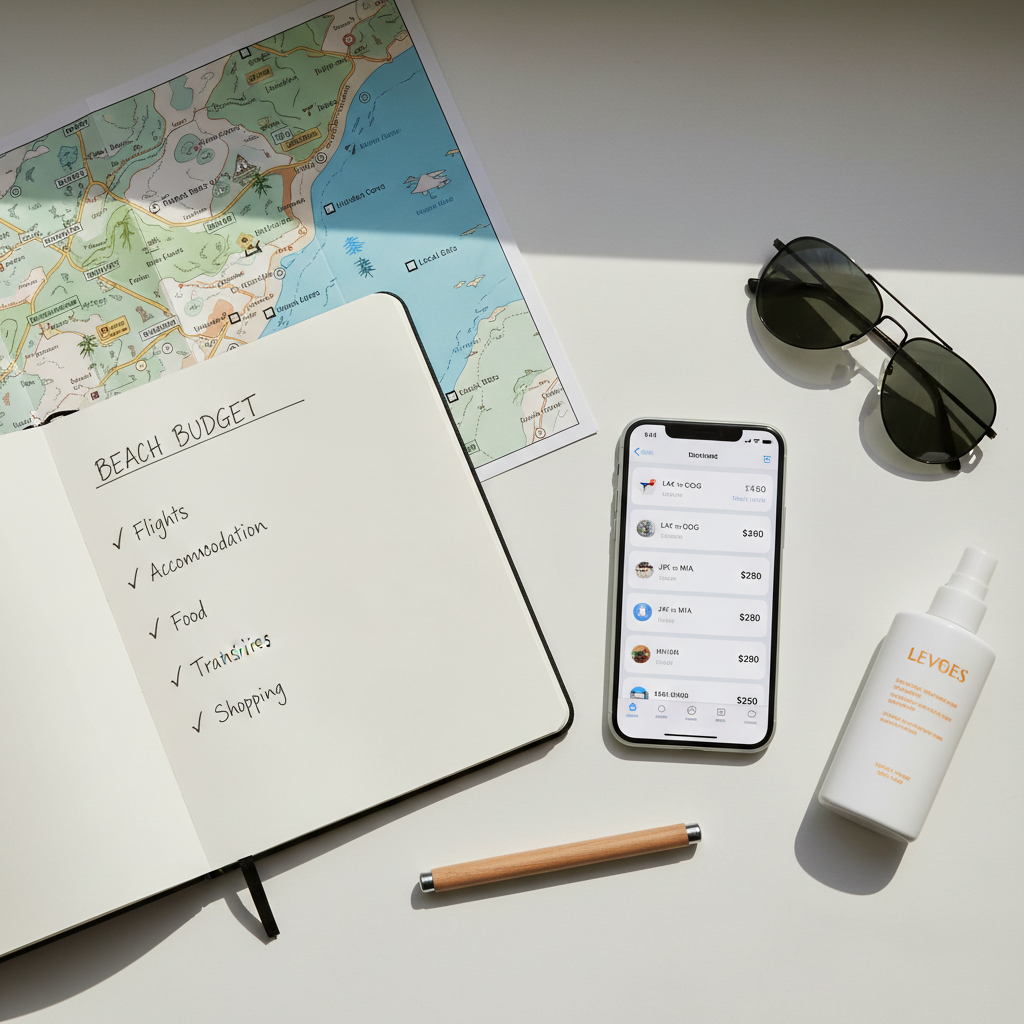
What actually makes a beach trip “budget” in 2026
Most people over-focus on nightly room rates and under-estimate the quiet costs, airport transfers, parking, taxes, and food. If you want a beach trip that stays affordable, build your plan around “total trip cost,” not just the hotel headline.
- Flight + ground transport often decides the budget, especially where you need a rental car or long transfers.
- Lodging fees can include resort fees, parking, and “destination” charges even at mid-range hotels.
- Food access matters, areas with grocery stores and casual local spots usually beat isolated resort zones.
- Seasonality is the big lever, shoulder season can cut costs while keeping water and weather reasonable.
According to the U.S. Department of Transportation (DOT), airfare pricing can fluctuate significantly based on demand patterns and timing, which is why flexible dates often beat “hunting for a cheap destination” alone.
Affordable budget beach destinations for 2026 (quick comparison)
Below are destinations that often show up as workable budget beach destinations for U.S. travelers, mainly because they have a lot of room inventory, competition among airlines, or neighborhoods where you can avoid resort-style pricing. Your exact deal depends on dates and departure city, but this is a solid short list to start searching.
| Destination | Why it can be affordable | Best value window (typical) | Cost traps to watch |
|---|---|---|---|
| Gulf Shores / Orange Beach, Alabama | Lots of condos, drive-friendly for many | Late April–May, Sept | Weekend minimum stays, parking fees |
| St. Pete Beach / Clearwater area, Florida | Big inventory, food options beyond resorts | Early May, late Aug–Sept | Resort fees, peak-week traffic and parking |
| South Padre Island, Texas | Competitive lodging outside peak spring weeks | Late April, early May, Oct | Spring break pricing, limited cheap flights from some cities |
| Outer Banks, North Carolina | House splits work well, self-catering saves | May, mid-Sept | Long drive time, weekly rentals dominate |
| Myrtle Beach, South Carolina | High supply, frequent deals, easy planning | Late April–May, Sept | Fees, pricier oceanfront, crowded peak weeks |
| Puerto Rico (San Juan + nearby beaches) | No passport for U.S. citizens, strong dining variety | Late April–June, Sept (riskier weather) | Hurricane season risk, car vs transit tradeoff |

How to pick the right destination for your budget (fast checklist)
If you’re stuck comparing too many options, this is the quickest way to narrow it down without overthinking. Answer these honestly, the “best” beach is the one that matches your cost structure.
- Are you driving or flying? If you can drive, you may save big on flights, but add gas, tolls, and parking.
- Do you need a rental car? If yes, check parking fees and daily rates before committing to a place.
- Is your group size 3+? Condo or house splits often beat two hotel rooms, even after cleaning fees.
- Do you want a “walkable” trip? Walkable areas can reduce rideshare spending and “we’re hungry again” costs.
- Are your dates flexible by 3–5 days? That flexibility often matters more than the destination itself.
If you check “yes” on rental car and “no” on flexible dates, prioritize destinations where lodging sits near groceries and casual food, otherwise meals plus driving tends to erase the savings.
Ways to cut the big costs without ruining the trip
Most beach budgets break in three places, lodging, transport, and food. The goal is not to penny-pinch every line item, it’s to avoid expensive defaults.
Lodging: reduce the nightly rate and the sneaky add-ons
- Search “total price” views where possible, not base rate, so fees don’t surprise you at checkout.
- Stay one block back from oceanfront, you often trade a view for a meaningful price drop.
- Target midweek stays if you can, weekend premiums stack fast in beach towns.
- Use condo kitchens strategically, you don’t need to cook every meal, just breakfast and one simple dinner can change the math.
Transport: avoid the expensive “last mile”
- Pick airports with competition, larger or well-served airports frequently price better than tiny regional options.
- Plan the ground game early, check if the area is walkable, has shuttles, or needs a car for everything.
- Bundle errands, beach towns make it easy to spend $15–$25 here and there on rideshare, and suddenly you paid for a rental anyway.
Food: keep it fun, not “accidentally luxury”
- Find two dependable cheap eats on day one, tacos, BBQ, deli sandwiches, local diners, whatever fits.
- Shop like a beach regular, fruit, snacks, water, and coffee supplies reduce impulse buys.
- One splurge meal, planned feels better than three overpriced meals you didn’t mean to buy.
Sample 4-day budget blueprint (adaptable to most beach towns)
This is a simple framework that works in many budget beach destinations, because it limits the highest-risk spending categories while keeping the trip relaxed.
- Day 1: Arrive, grocery stop, sunset beach walk, casual dinner.
- Day 2: Beach morning, packed lunch, one paid activity in afternoon, cook-in dinner.
- Day 3: Free or low-cost nature day, state park, public beach access, pier, then your planned splurge meal.
- Day 4: Early beach time, quick brunch, depart before late checkout fees or traffic peaks.
Key idea: you’re not “doing less,” you’re removing the expensive default patterns, random snack runs, last-minute paid attractions, and constant driving.

Safety, weather, and timing: where “cheap” can get expensive
Low prices sometimes line up with higher weather risk, and beach trips are one of those categories where a bad forecast can turn into extra nights, rebooking fees, or wasted activity costs. According to the National Oceanic and Atmospheric Administration (NOAA), hurricane season patterns and forecasts vary by region and year, so it’s smart to check official outlooks when planning late-summer coastal trips.
- Consider travel insurance carefully, especially for hurricane-prone windows, read exclusions and coverage triggers.
- Build buffer time if you’re driving long distances, fatigue increases accident risk, and late arrivals can create extra costs.
- Heat and sun exposure can be serious, hydrate, use sunscreen, and if you have medical concerns, it’s sensible to ask a clinician for individualized advice.
If your trip depends on one expensive boat tour or a nonrefundable rental, that’s a sign to pick a more weather-stable time or a destination with plenty of “Plan B” options.
Key takeaways for planning budget beach destinations in 2026
If you want a cheaper beach trip in 2026, focus on total cost, not just the room rate, choose dates with a little flexibility, and build your plan around walkability and easy food access. Most savings come from avoiding fees and transport friction, not from finding a secret beach nobody knows.
Action steps: pick two destinations from the table, price them for two different weeks, then choose the one with the best “all-in” cost and the least complicated ground plan.
FAQ
What are the best budget beach destinations for families in 2026?
Places with lots of condo inventory and easy grocery access usually work well, because you can control food costs and spread lodging across more people. Myrtle Beach and Gulf Shores often fit that pattern, but your drive time and peak-week calendar matter.
How far in advance should I book an affordable beach trip?
For popular beach towns, booking earlier helps with choice and fee transparency, while flights can be more volatile. If you can watch prices for a few weeks and stay flexible by a few days, you often find better all-in deals than booking at the last minute.
Are all-inclusive resorts ever “budget”?
Sometimes, but you have to compare total costs against a condo plus groceries plus a few paid meals. All-inclusives can pencil out when you’d otherwise eat every meal out and pay for daily activities, but they’re less forgiving if you want to explore off-property.
Is Puerto Rico a good pick for budget beach destinations from the U.S.?
It can be, especially because U.S. citizens generally don’t need a passport, and you can mix city time with nearby beaches. The tradeoff is weather timing and flight pricing from your home airport, so it’s worth checking multiple date ranges.
How do I avoid resort fees and surprise charges?
Look for “total price” displays, read the fee section before booking, and confirm parking, Wi‑Fi, and beach chair policies. If anything looks vague, a quick message to the property can save you from the classic budget-killer add-ons.
What’s the cheapest way to eat at the beach without feeling deprived?
Do one grocery run for breakfast and beach snacks, then pick a couple of reliable low-cost local spots for dinners. Planning one splurge meal on purpose feels better than drifting into high-priced tourist restaurants every night.
When should I consider professional help for planning?
If you’re coordinating multiple households, traveling during higher weather-risk periods, or dealing with complex flight connections, a travel advisor might help you compare cancellation rules and realistic routing. You still want to verify policies yourself, but guidance can reduce costly mistakes.
If you’re trying to choose between a few budget beach destinations and want a simpler way to compare true all-in costs, it helps to build a one-page budget sheet with lodging fees, transport, and food assumptions before you book anything, that small step often prevents the “it looked cheap online” regret.