
Best travel ear plugs for noise canceling are usually less about “total silence” and more about getting the right mix of comfort, seal, and reliable decibel reduction for your specific trip. If you pick the wrong material or shape, you may still hear cabin rumble, a snoring seatmate, or hallway doors, and you will definitely feel them in your ears at 3 a.m.
This matters because travel noise is rarely one clean sound, it is a messy combo of low-frequency engine hum plus sudden voices and clanks. A plug that works for a roommate’s TV might disappoint on a red-eye flight, and a plug that blocks well might hurt after an hour if the fit is off.
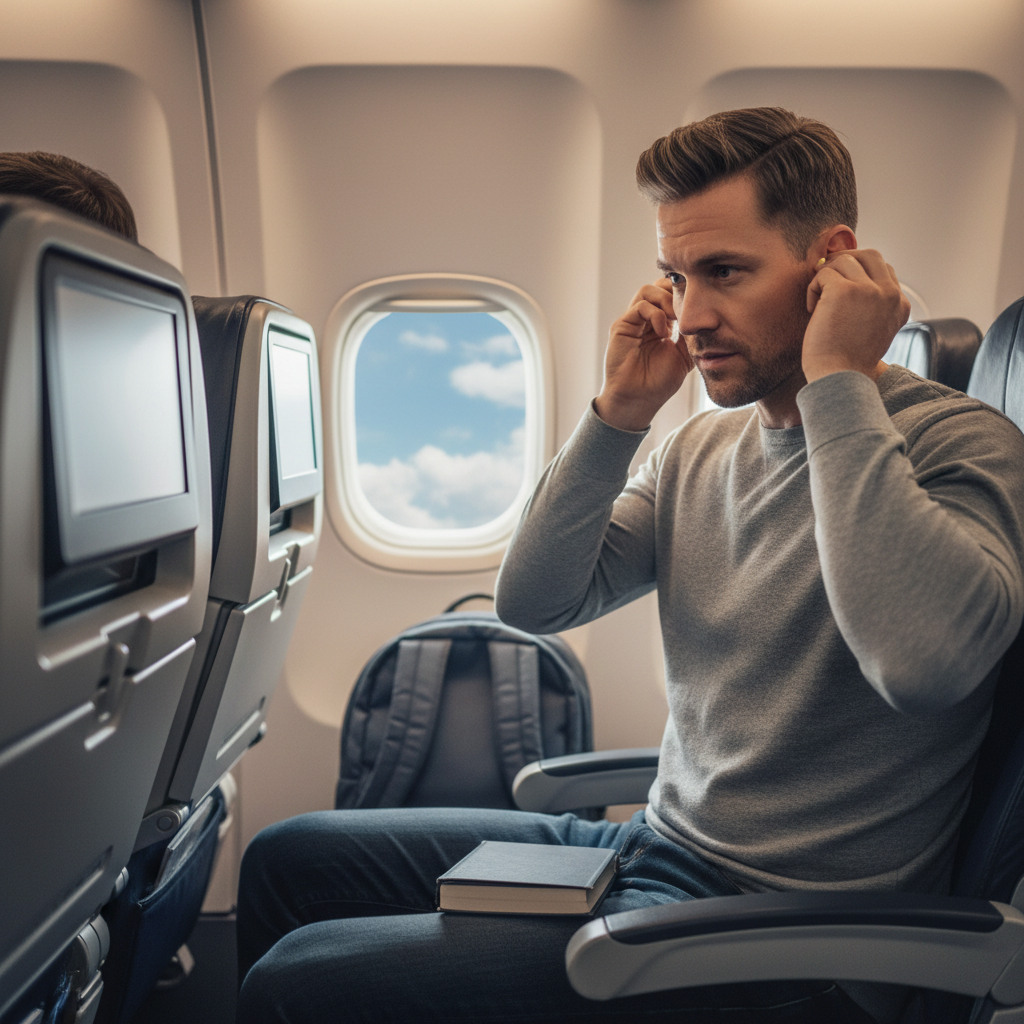
In this guide, you will get a practical way to choose plugs that actually help in transit, a comparison table of common types, and a few “small” usage tricks that often make the biggest difference. I will also flag where expectations get unrealistic, because ear plugs have limits.
What “noise canceling” means for ear plugs (and what it does not)
Ear plugs do passive noise reduction, they block sound by sealing your ear canal. Active noise canceling, the kind you see in headphones, uses microphones and anti-noise signals, ear plugs do not do that.
So what should you look at? Most brands use NRR (Noise Reduction Rating) on the package. NRR is a lab rating, real-world reduction is often lower because tiny fit issues leak sound. According to NIOSH, effective protection depends heavily on correct insertion and fit, not just the labeled rating.
- Low-frequency rumble (airplane engines, bus vibration): harder to block completely, seal quality matters more than a higher number on the box.
- Mid/high-frequency noise (voices, dishes, announcements): most plugs reduce this more noticeably.
- Comfort: if you remove them after 30 minutes, the “best” rating becomes irrelevant.
Quick comparison: foam vs silicone vs wax vs filtered plugs
Here is the simplest way to narrow options before you shop. This is not a “one type wins” situation, it depends on your ears and how you sleep.
| Type | Best for | Typical strengths | Common drawbacks |
|---|---|---|---|
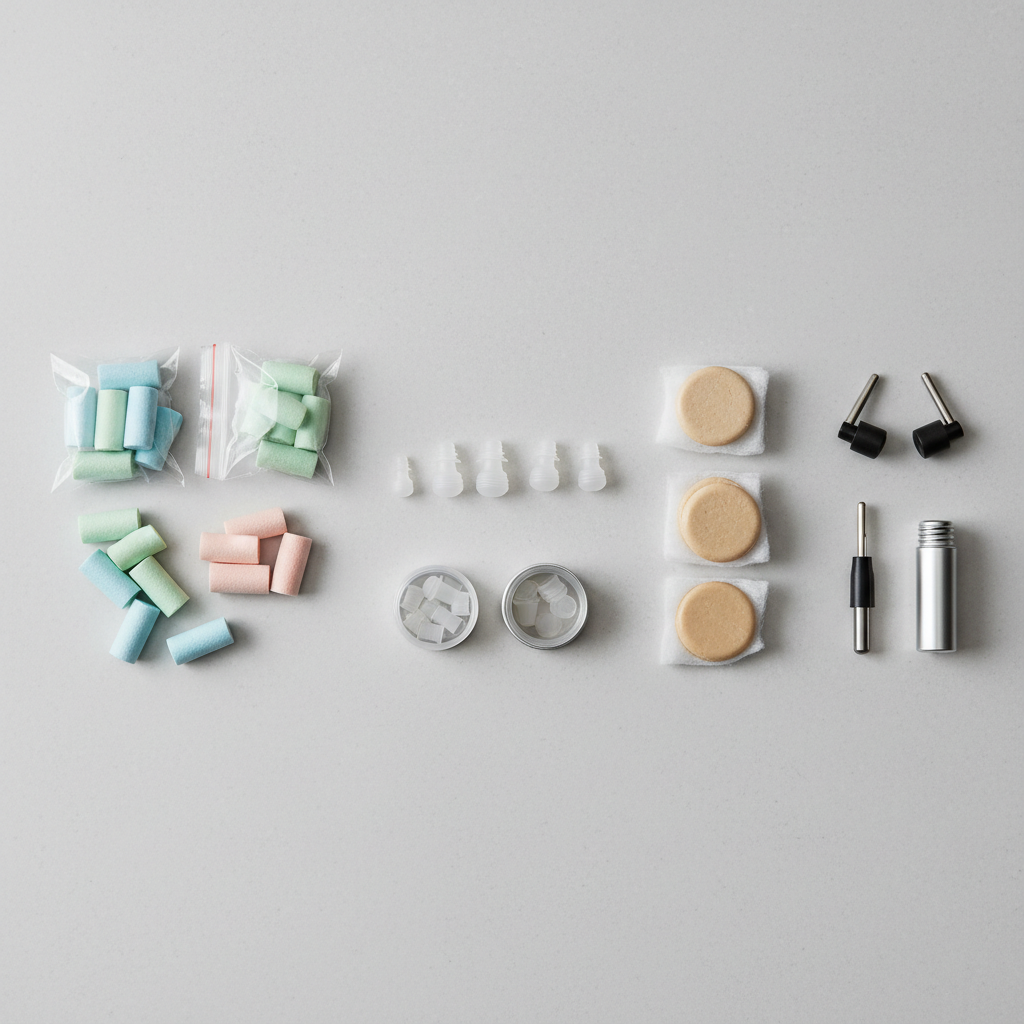
| Foam (roll-down) | Flights, loud hotels, snoring | Strong attenuation when inserted well, affordable, widely available | Fit is technique-sensitive, can feel bulky, single-use or limited reuse |
| Silicone (reusable flanged) | Frequent travelers, quick on/off | Easy insertion, consistent fit, more durable | May press when side-sleeping, not always as “quiet” as top foam |
| Moldable silicone/wax | Side sleepers, sensitive canals | Comfortable seal at the entrance, less “in-ear” pressure | Can loosen with sweat/heat, not ideal for very long wear for some people |
| Filtered “musician” style | Situational awareness, conversation | More natural sound, reduces harshness without muffling everything | Usually not the quietest for sleeping, higher cost |
How to choose the best travel ear plugs for noise canceling by travel scenario
Most people choose based on product hype, but you will get better results by matching to the environment you are actually in.
Airplanes and trains: steady rumble plus announcements
- Go-to pick: high-quality foam if you can insert them properly, or reusable silicone if you need quick removal for announcements.
- What to prioritize: seal stability, because pressure changes and jaw movement can break the seal.
- Small reality check: you may still feel the low rumble, the goal is “less fatiguing,” not “soundproof.”
Hotels: hallway noise, doors, voices, random clanks
- Go-to pick: foam for maximum reduction, or moldable silicone/wax for comfort if you sleep on your side.
- What to prioritize: comfort for 6–8 hours, because hotspots in the ear canal wake you up.
Hostels and shared rooms: snoring nearby
- Go-to pick: foam with strong attenuation, plus a second backup pair in case you drop one.
- What to prioritize: secure fit, snoring is often low-to-mid frequency and leaks through poor seals.
Road trips: intermittent noise, you still need awareness
If you are a passenger trying to nap, you can use stronger plugs. If you are the driver, do not wear plugs. For safety, you need to hear sirens, horns, and changes in the vehicle. According to NHTSA, attentive driving depends on multiple inputs, including auditory cues, so blocking hearing while driving is a bad idea.
A fast self-check: which type will probably work for you?
Use this to avoid the common “I bought the top-rated plug and hated it” loop.
- You wake up from pressure or pain: consider moldable silicone/wax or smaller-profile foam, focus on comfort over maximum rating.
- You keep finding plugs half-out in the morning: your seal breaks, try a different size, deeper-inserting foam, or a flanged reusable model.
- Your ears feel itchy after a night: reduce reuse, improve hygiene, consider hypoallergenic materials, if irritation continues, ask a clinician.
- You need to hear alarms or a travel companion: consider filtered plugs, or use one plug, one ear open when appropriate.
- You travel weekly: reusable silicone may be more consistent and less wasteful, keep foam as a backup.
Key point: in real travel, fit consistency beats chasing the highest NRR printed on packaging.
How to insert ear plugs correctly (this is where most “noise canceling” happens)
If you want the best travel ear plugs for noise canceling to actually perform, insertion technique matters almost as much as product choice. According to CDC guidance on hearing protection, a poor fit can reduce the effectiveness of ear plugs significantly.
Foam roll-down: 30 seconds, but do it right
- Wash or sanitize hands if possible, travel grime ends up in your ear otherwise.
- Roll the foam into a tight cylinder, not a ball.
- With the opposite hand, gently pull your ear up and back to straighten the canal.
- Insert, then hold in place while it expands, if it backs out, try again rather than “pushing harder.”
Reusable silicone flanged
- Insert with a slow twist until the flanges seal.
- If voices sound almost unchanged, you likely do not have a seal.
- Do not size up to the point of pain, discomfort usually means you will remove them in your sleep.
Moldable silicone/wax
- Warm it in clean fingers, then press it gently over the ear canal opening.
- Do not push deep into the canal, it is meant to sit at the entrance and form a cap-like seal.
Practical travel setup: what to pack and how to use plugs on the road
A lot of frustration comes from forgetting the little accessories that make plugs usable in real life.
- Bring two types: one “maximum reduction” option plus one comfort or awareness option, you will face different noise profiles on the same trip.
- Carry case: protects from lint and sunscreen residue, also makes you less likely to lose them.
- Backup pair in a separate pocket: ear plugs are tiny, they disappear at the worst time.
- Combine with a soft eye mask: for many people, light is the bigger sleep killer than sound.
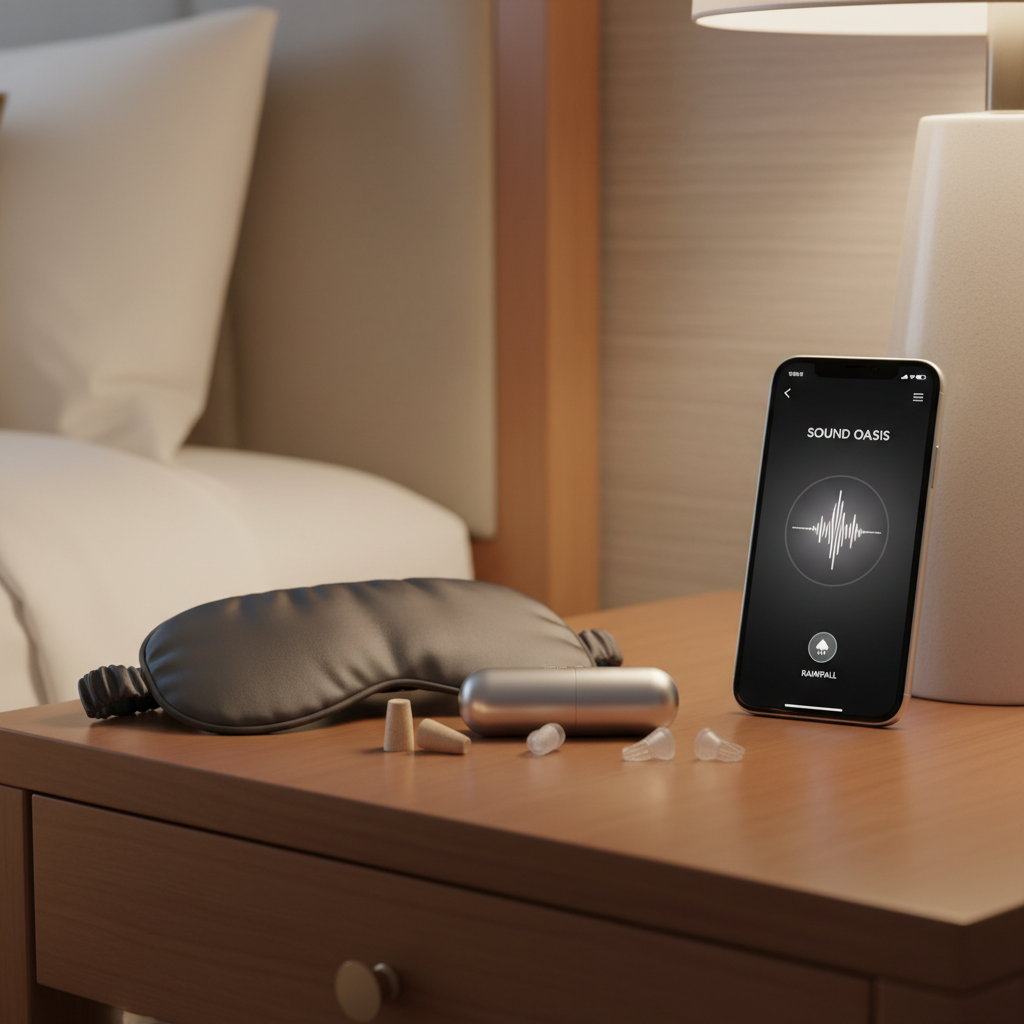
For planes, put the plugs in before the cabin gets loud, your body tends to relax faster when you avoid the “noise spike” in the first place. In hotels, insert them before you are half asleep, fumbling increases the chance of poor insertion.
Safety, comfort, and common mistakes to avoid
Ear plugs are generally low-risk, but travel conditions add wrinkles: dry cabin air, long wear time, and questionable cleanliness.
- Do not over-insert: deeper is not always better, pain usually means you are irritating tissue.
- Avoid indefinite reuse of foam: it breaks down and collects oils, which can raise irritation risk.
- Skip sharing: even within family, it is a hygiene problem.
- Be careful with earwax buildup: some people notice more blockage with frequent plug use, if you get fullness or reduced hearing, consider pausing and consulting a professional.
- Know your alarm plan: if you must wake up for an early departure, use a loud phone alarm, vibration, or a wearable alert, not just hope you will hear it.
If you have ear pain, drainage, recent ear surgery, or frequent infections, it is smarter to ask a clinician what type is appropriate. That may feel like overkill for “just ear plugs,” but it can save you a ruined trip.
Conclusion: a simple way to pick your pair
The best travel ear plugs for noise canceling are the ones you can wear comfortably for the full stretch of your flight or night, while keeping a reliable seal. If you only buy one style, many travelers do well with quality foam plus correct insertion, then add a reusable silicone or filtered option when you need quick conversations or more awareness.
Action steps that usually pay off: pick one type that matches your main sleep position, then do a 15-minute trial at home to confirm comfort and seal before you fly. Your future self on a noisy red-eye will thank you.
FAQ
What are the best travel ear plugs for noise canceling on airplanes?
Most people get the biggest reduction from well-inserted foam plugs, because they seal the canal more completely. If you need to remove plugs often for announcements, reusable silicone can be more convenient even if it blocks slightly less.
Do higher NRR ear plugs always block more noise in real life?
Not always, because NRR assumes an ideal fit. In travel settings, a slightly lower-rated plug that seals consistently can feel quieter than a higher-rated plug that leaks when you move your jaw or shift on a pillow.
Are moldable wax or silicone plugs good for side sleepers?
They often are, because they sit closer to the ear opening and create less pressure against the pillow. If you run warm or sweat at night, they may loosen, so a quick fit check before you fall asleep helps.
Can I use ear plugs every night while traveling?
Many people do, but irritation can happen, especially with poor hygiene or long reuse. If you notice persistent itching, pain, or reduced hearing, pause use and consider asking a professional for guidance.
What if I can still hear snoring with ear plugs in?
Snoring can cut through because it has lower frequencies and because leaks are common. Reinsert to improve the seal, try a different size or foam density, and consider adding background sound at low volume if appropriate.
Are filtered ear plugs “noise canceling” for travel?
They are more like “noise shaping,” they reduce harshness while keeping speech clearer. They can be great for crowded terminals, but they are usually not the top choice for deep sleep in a loud room.
How do I know if my ear plug seal is good?
Your own voice should sound more internal and muffled, and outside sound should drop immediately, not gradually. If the plug slowly backs out, the seal is unstable and you may need a different size or type.
Can ear plugs cause ear infections?
They do not automatically cause infections, but moisture, trapped debris, and repeated reuse can increase irritation risk. Clean hands, proper storage, and replacing worn plugs reduce problems, if you are prone to infections, ask a clinician what is safest.
If you are trying to build a travel sleep setup that is simple and repeatable, it often helps to pick two dependable ear plug styles, test them at home, then keep a small dedicated kit in your carry-on so you are not shopping in a rush at the airport.