
Best travel sun hat uv protection isn’t just about a big brim, it’s about reliable UPF fabric, a stable fit in wind, and packability that won’t ruin the shape in your suitcase.
If you’ve ever bought a “cute” hat that collapses into a sad pancake, or a stiff one you end up carrying all day, you already know the frustration. Travel hats have to earn their spot: they need to protect your face, ears, and neck, feel breathable, and survive being stuffed into a carry-on.
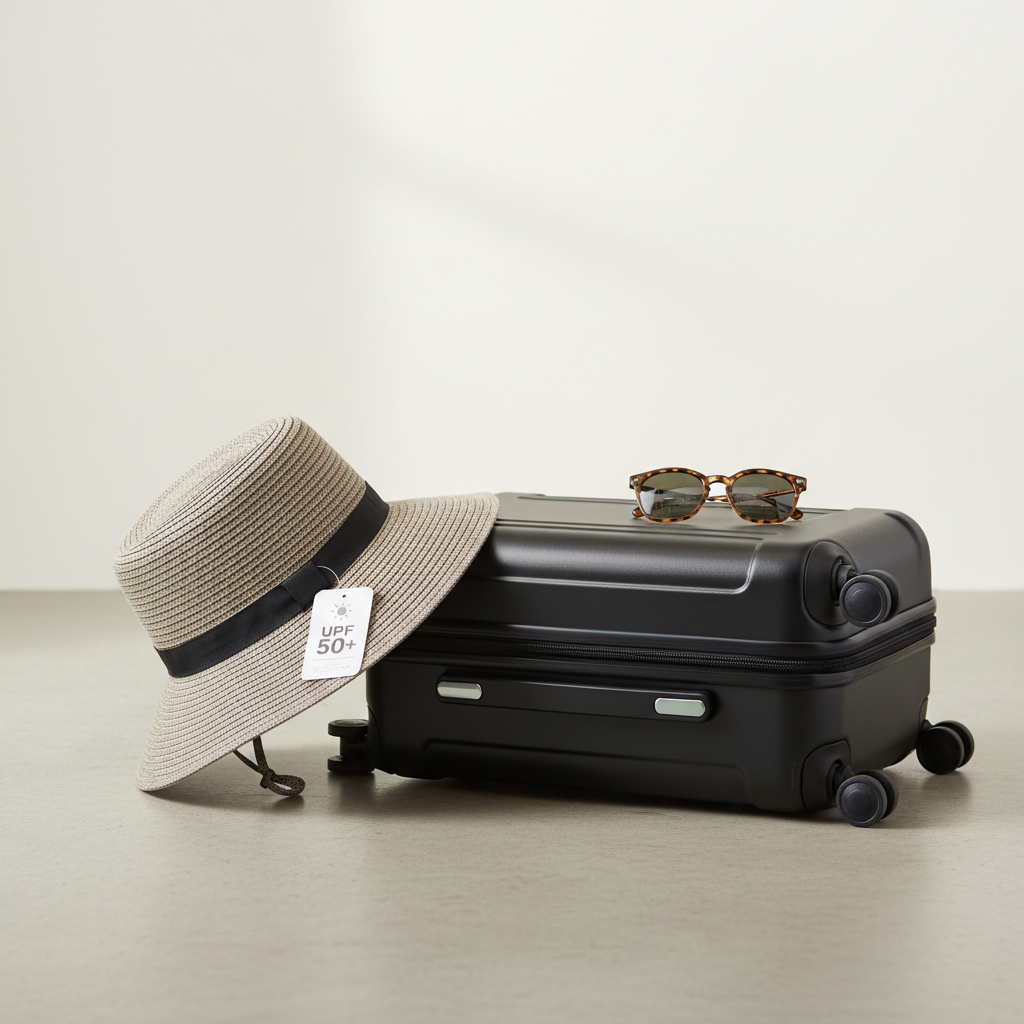
This guide focuses on what matters in 2026 shopping: which features tend to deliver real-world coverage, how to check claims like UPF, and how to choose based on your trip style, beach week, city walking, hiking, or just “I’m outside all day.”
What “UV protection” really means in a travel sun hat
A hat can block UV in two ways: coverage and UPF-rated fabric. Coverage comes from brim size and shape. UPF is a lab-tested rating for how much UV radiation a fabric allows through.
According to the Skin Cancer Foundation... shade plus protective clothing and hats can help reduce UV exposure. The detail that gets missed: even a wide brim doesn’t guarantee protection if the weave is loose or light shines through.
- UPF 50+ is a common target for hats marketed for sun protection, it typically indicates strong UV blocking in the tested fabric.
- Brim width matters more than people admit. A 3-inch brim usually gives noticeably better face/ear coverage than a 2-inch brim, but it can be less packable.
- Underside color can help comfort. A darker under-brim often reduces glare, especially near water or snow.
Why travel hats fail: the common pain points (and what causes them)
Most “bad hat” stories come down to a few predictable mismatches between product design and travel reality.
- It flies off in wind: no chin cord, weak toggle, or the crown runs large so it never grips your head.
- It’s too hot: non-breathable lining, no vent panels, or a fabric that traps humidity.
- It packs poorly: rigid brim without a packable structure, or a fold line that becomes permanent.
- It “says” UPF but feels flimsy: lightweight is fine, but very open straw-like weaves may let UV through unless a tight liner or certified material is used.
- It looks fine online, awkward on you: brim angle, crown height, and face shape mismatch.
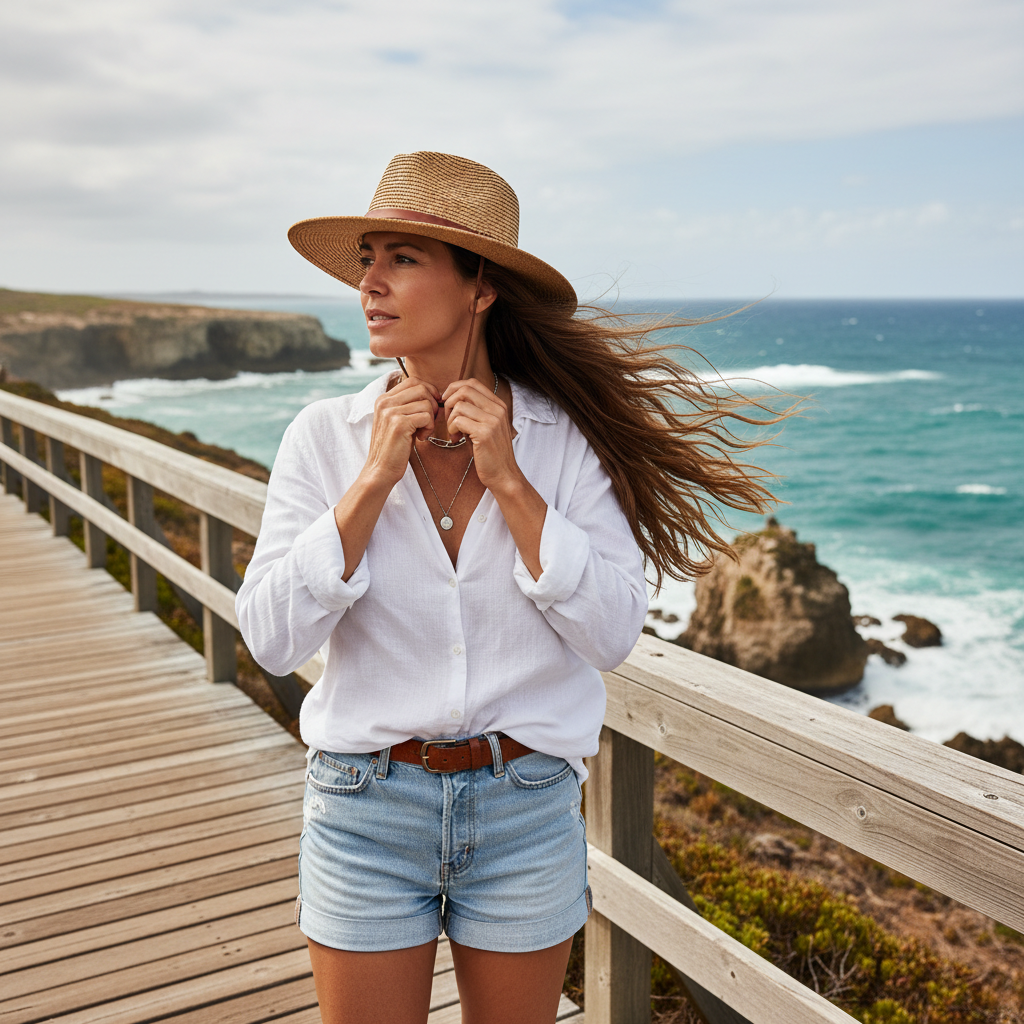
The best travel sun hat uv protection choice usually happens when you decide what you can’t compromise on: wind security, heat comfort, or maximum shade. You can get all three, but you’ll filter faster if you pick your top two.
Quick self-check: which travel sun hat style fits your trip?
Use this as a fast decision tool before you start comparing brands.
- Mostly city walking, patios, sightseeing: medium brim, packable, presentable shape, sweatband comfort.
- Beach, pool, cruise deck: wider brim, water resistance, chin strap, darker under-brim for glare.
- Hiking, national parks: ventilated panels, secure fit, crushable/floatable materials, adjustable sizing.
- Humid climates: fast-dry fabric, mesh vents, lighter colors, minimal lining.
- Cold but sunny (snow, altitude): strong coverage plus glare control, stable fit, consider neck coverage.
The 2026 feature checklist (what to prioritize)
If you’re shopping for the best travel sun hat uv protection, these features tend to make the difference between “wore it daily” and “left it in the hotel.”
- Verified UPF claim: look for clear UPF labeling and brand transparency about testing. If details are vague, treat it as “coverage-only.”
- 3"+ brim for strong coverage: especially for beach or long outdoor days. If you hate wide brims, pick a slightly smaller brim but make sure it sits low and stable.
- Adjustable sizing: internal drawcord, hook-and-loop band, or size options. One-size “fits most” is where many travel fails start.
- Chin cord (removable is fine): you don’t need it every day, but you’ll be glad it’s there when wind hits.
- Breathability: vents, moisture-wicking sweatband, and a fabric that doesn’t feel plastic-y.
- Packability that matches your packing style: rollable, crushable, or foldable brim. If you travel with a tote, a semi-rigid brim might be acceptable.
Comparison table: match features to the right hat type
Not everyone needs the same hat. This table helps you “shop by use case” rather than getting lost in listings.
| Hat type | Best for | What to look for | Trade-offs |
|---|---|---|---|
| Packable wide-brim (fabric) | Beach, long sun exposure, cruise | UPF-rated fabric, 3–4" brim, chin cord, darker under-brim | Can feel “big” in crowded city areas |
| Adventure/boonie style | Hiking, fishing, windy trails | Vent panels, secure adjuster, quick-dry, stiff-enough brim | More sporty look |
| Packable fedora/panama look | City travel, dining, photos | UPF liner or tight weave, shape retention, sweatband comfort | Often less coverage than a true sun hat |
| Visor | Short wear, high-heat workouts | Wide front bill, stable band, sweat management | No scalp protection, less complete UV coverage |
How to pick and use a hat so it actually protects you
A travel hat can be UPF-rated and still underperform if it sits too high, shifts when you walk, or leaves your ears exposed. These steps sound simple, but they save money.
1) Fit it like you mean it
- Set the hat low enough that the brim shades your eyes without you needing to squint.
- Use the internal adjuster so you can gently shake your head without movement.
- If your hair changes (bun, braids), re-check fit. A “perfect” fit in the morning can loosen by noon.
2) Pack it without destroying it
- Rollable hats: roll loosely, avoid tight coils that crease the brim.
- Foldable hats: fold along the intended seam, don’t invent new fold lines.
- Structured hats: pack in a tote or use a hat clip, crushing them “once” often becomes crushing them forever.
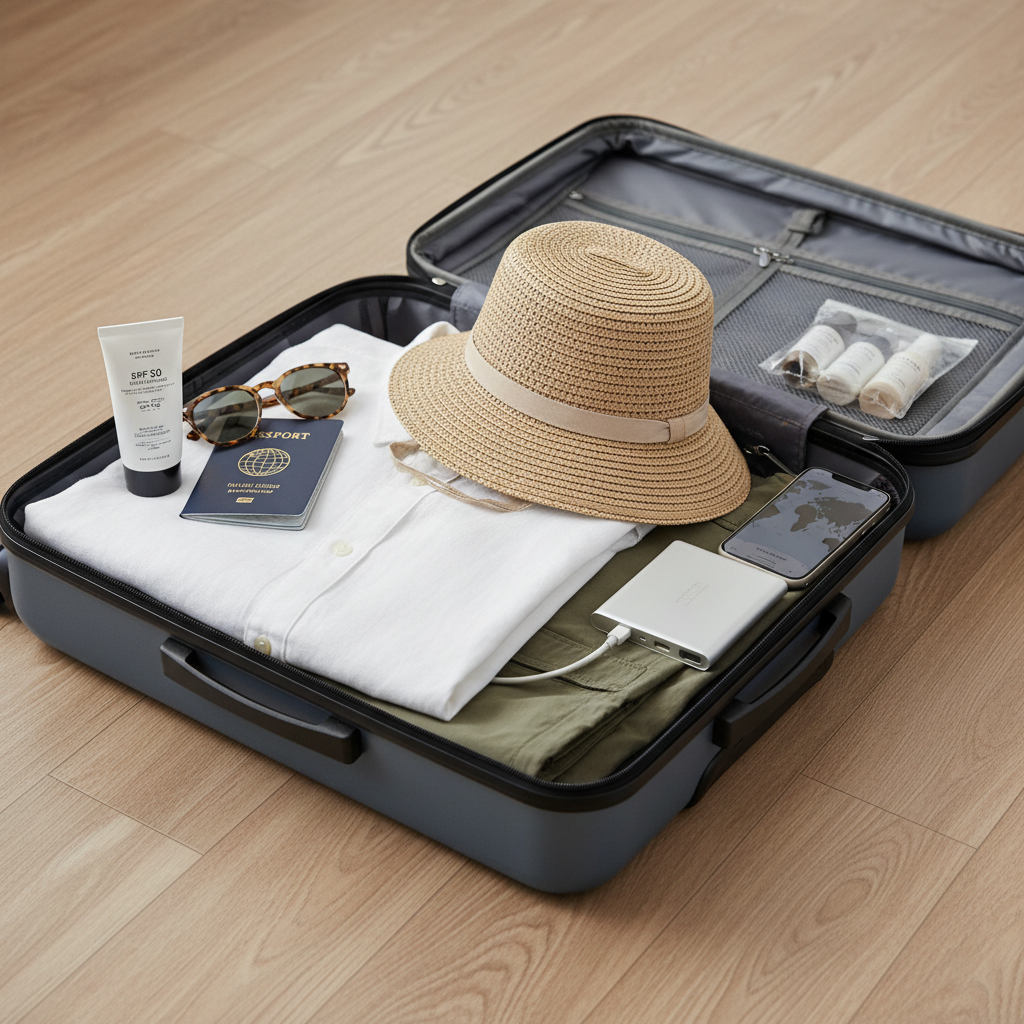
3) Pair it with the rest of your sun plan
Even the best travel sun hat uv protection won’t cover every angle, reflected UV can still reach skin. According to the American Academy of Dermatology... sun protection often works best as a set: shade, protective clothing, and sunscreen on exposed skin.
- Use sunscreen on ears, neck, and any scalp part lines.
- Consider UV-protective sunglasses for eye comfort and squint reduction.
- If you’re on water or snow, expect stronger glare and more reflection.
Mistakes to avoid when shopping online
Listings can be vague, and “sun hat” gets used for everything from fashion straw to technical hiking gear. A few sanity checks help.
- Assuming straw equals protection: some straw weaves are dense, many are not. If you can see lots of light through it, treat it as lower protection unless there’s a tested liner.
- Ignoring brim shape: a floppy brim can droop and block your view, then you push it up and lose shade. Look for a brim that holds its angle.
- Buying one-size without adjusters: if you’re between sizes, wind and long wear will expose the weakness fast.
- Overvaluing “waterproof”: for sun hats, quick-dry and sweat management often matter more than full waterproofing.
When to ask a professional (or take extra precautions)
If you have a history of skin cancer, photosensitivity from medications, or a condition that makes sun exposure risky, it’s smart to be more conservative. A hat helps, but your clinician or dermatologist can suggest a fuller plan for your situation.
Also consider higher-coverage options if you burn easily, you’ll be outdoors at midday for long stretches, or you’re traveling at high altitude where UV exposure can feel more intense.
Conclusion: a practical way to choose your 2026 travel sun hat
The best travel sun hat uv protection usually comes from a simple match: a UPF-rated fabric you trust, a brim that shades what you want shaded, and a fit that stays put when weather turns. If you only do one thing today, measure your head and prioritize adjustability, it removes a lot of guesswork.
Next step: pick your trip type from the checklist, then filter your shopping list to two must-haves, like UPF + chin cord or packable + breathable. You’ll land on a hat you actually wear, which is the whole point.
Key takeaways
- UPF rating + coverage beats either one alone.
- Wind security and breathability decide whether a travel hat becomes a daily habit.
- Packability should match how you pack, not how the product photo looks.
FAQ
- What brim size is good for travel sun protection?
Many travelers like around 3 inches because it adds meaningful shade without feeling oversized, but beach-heavy trips often benefit from wider brims. - Is UPF 50 necessary for a sun hat?
Not always, but UPF-rated fabric removes some uncertainty compared with untested materials, especially if you spend long hours outside. - Do dark hats protect better than light hats?
Color can affect light absorption and comfort. Protection depends more on fabric weave and UPF testing, though darker under-brims can reduce glare. - Are mesh panels safe for UV protection?
They can be comfortable, but mesh can also let UV through depending on the knit. If vents are large, rely on brim coverage and consider where the mesh sits. - How do I know if an online hat claim is trustworthy?
Look for clear UPF labeling, product detail about testing, and consistent material descriptions. If the listing is vague or contradictory, be cautious. - Can I rely on a visor instead of a hat?
A visor can help with glare and forehead shade, but it leaves scalp and often ears exposed, so it’s usually a partial solution. - What’s the easiest way to keep a hat from flying off?
An adjustable internal band helps, and a chin cord is the practical backup when wind picks up, especially near coasts and viewpoints.
If you’re deciding between a few options and want a faster answer, make a short shortlist and check three things: UPF clarity, brim coverage for your face and ears, and whether the sizing system looks reliable for your head shape and hair habits. That quick filter usually beats hours of scrolling.