
Long haul travel essentials matter most when you’re stuck in one seat for 8–16 hours, trying to sleep, stay comfortable, and still feel human when you land. The good news is you don’t need a suitcase full of gadgets, you need a small set of high-impact items that solve the usual pain points: dehydration, bad sleep, dead devices, and “where did I put that” chaos.
This guide breaks down what to pack for long trips, how to decide what’s worth carry-on space, and what to do before boarding so your flight feels manageable. I’ll also flag common mistakes people make, like overpacking “just in case” items while forgetting the basics that actually change your experience mid-flight.
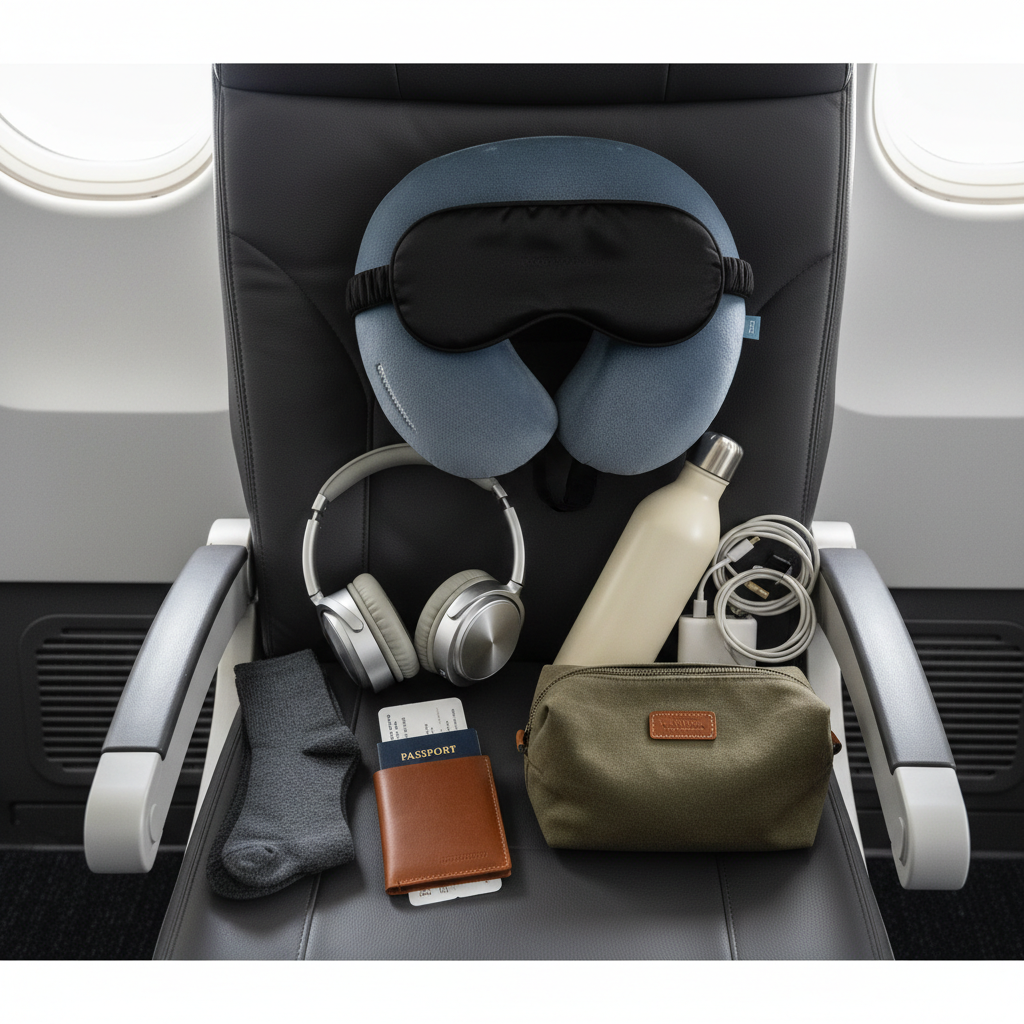
If you want one theme to keep in mind, it’s this: pack for the hours in transit, not just the destination. That’s where most long-trip misery happens, and where a few smart picks pay off immediately.
What usually goes wrong on long-haul flights (and why)
Most people don’t hate long flights because they’re long, they hate them because small discomforts stack up. Once you’re in the air, you can’t fix missing items easily, so tiny oversights turn into big annoyances.
- Dry cabin air + inconsistent water access can leave you feeling foggy, headachy, and extra tired.
- Bad sleep setup leads to sore neck, light sensitivity, and that half-awake panic when you finally doze off.
- Noise and overstimulation makes rest harder, especially on red-eyes or busy routes.
- Power and connectivity issues happen more than you expect: dead outlets, missing adapters, cables that don’t reach.
- Carry-on disorganization causes repeated seat rummaging, spills, and “I swear I had it” moments.
According to the CDC, long periods of immobility during travel can increase the risk of blood clots for some people. Most travelers won’t have issues, but it’s a good reminder that comfort and movement are not just “nice to have.” If you have personal risk factors, it may be worth discussing travel plans with a clinician.
A quick self-check: what kind of long-haul traveler are you?
Before you buy anything, figure out which problems you’re actually trying to solve. This takes two minutes and keeps your packing list realistic.
- Light sleeper: you wake up to cabin announcements, seat neighbors, or any light in your peripheral vision.
- “Always cold” flyer: you end up shivering halfway through the flight, even with a blanket.
- Tech-reliant: you need your phone, tablet, or laptop working on landing, no exceptions.
- Digestive wildcard: airplane meals and time zone shifts don’t treat you kindly.
- Anxious organizer: you feel calmer when essentials are visible and reachable without standing up.
Pick your top two, then prioritize your long haul travel essentials around those. Everything else becomes optional, which is freeing.
The core long haul travel essentials (the “non-negotiables”)
If you do nothing else, cover these categories. They’re the highest return on carry-on space, and they work across airlines and cabin classes.
Sleep and sensory comfort
- Eye mask that blocks light without pressing hard on your eyelids.
- Earplugs (foam works) or noise-canceling headphones if you already own them.
- Neck support: a travel pillow, scarf method, or inflatable option if you want to save space.
Hydration and basic body comfort
- Empty reusable water bottle to fill after security.
- Simple moisturizer + lip balm in TSA-size containers.
- Compression socks for long seated stretches, especially if you swell easily. If you have medical conditions, consider asking a professional what level of compression is appropriate.
Power, documents, and “can’t lose it” items
- Passport + backup ID (where relevant), plus a photo copy stored securely.
- Charging cable + wall plug; add a power bank if you land and travel onward.
- Universal adapter if your destination requires it, don’t assume airports will have what you need.
Hygiene kit that fits in your seat pocket
- Hand sanitizer and a few wipes.
- Toothbrush/toothpaste or toothpaste tabs.
- Any daily medications in original packaging when possible, and never in checked luggage.
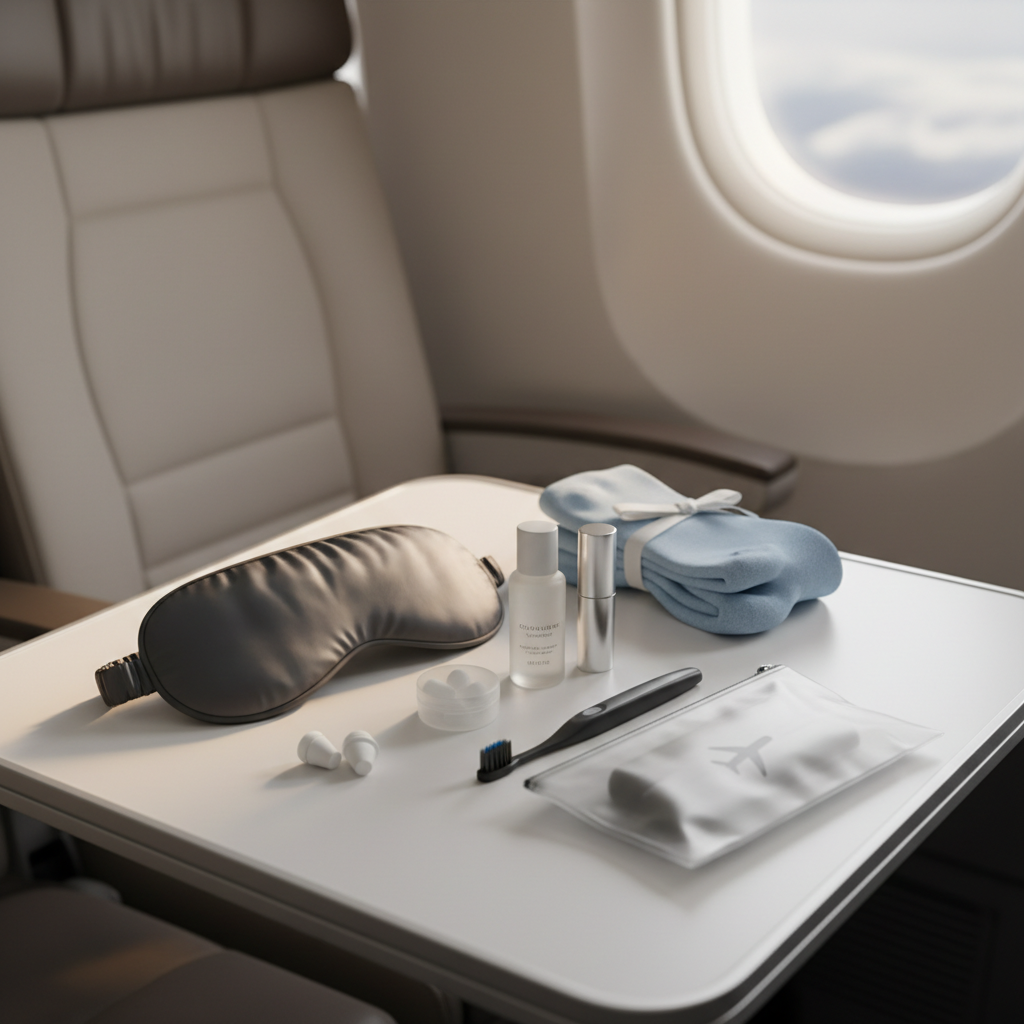
Smart packing: a table you can copy for your carry-on
This is where a lot of “experienced travelers” quietly win: they group by when they’ll need an item. It reduces clutter and keeps your seat area sane.
| Pack Zone | What goes here | Why it helps |
|---|---|---|
| Seat pouch (small zip pouch) | Eye mask, earplugs, lip balm, wipes, gum, pen | Everything you’ll grab mid-flight stays reachable |
| Tech pouch | Cables, adapter, power bank, earbuds/headphones | No cable spaghetti, easier airport security checks |
| Documents wallet | Passport, boarding passes, insurance info, backup card | Less chance of misplacing critical items under stress |
| “Landing kit” (top of bag) | Deodorant, toothbrush, clean T-shirt, face wipes | You can reset fast before immigration or meetings |
| Personal item bag | One layer, snacks, water bottle, meds | What you need should stay with you if overhead bins fill |
Practical add-ons that are worth it in specific scenarios
These aren’t mandatory long haul travel essentials, but they’re the kind of items people buy once and then pack every time, because they solve a very specific irritation.
- Lightweight layer: a merino hoodie or thin cardigan beats a bulky coat, and works on freezing flights.
- Seat-friendly slippers: good if you hate tying shoes in tight spaces, but keep them clean and minimal.
- Small packable tote: helpful for moving through the cabin or organizing at your destination.
- Electrolyte packets: some travelers find them useful for hydration, but if you have health concerns about sodium or ingredients, ask a clinician.
- Blue-light management: if you’re sensitive, use your device’s night mode rather than buying another gadget.
Step-by-step: how to set up your seat area in 3 minutes
Do this right after you sit down, before the cabin gets busy. It’s not fussy, it’s just preventing the common “everything falls on the floor” situation.
- Pull out the seat pouch and put it in the seat pocket, not loose on your lap.
- Set your water plan: bottle accessible, and a reminder to sip regularly, not chug once.
- Charge early: plug in when you first see power, some outlets are finicky and you want time to troubleshoot.
- One warmth option within reach: scarf or layer, because you might not want to stand once service starts.
Key takeaways: keep only “next 2 hours” items at your seat, keep everything else in your bag, and you’ll feel less trapped by your own stuff.
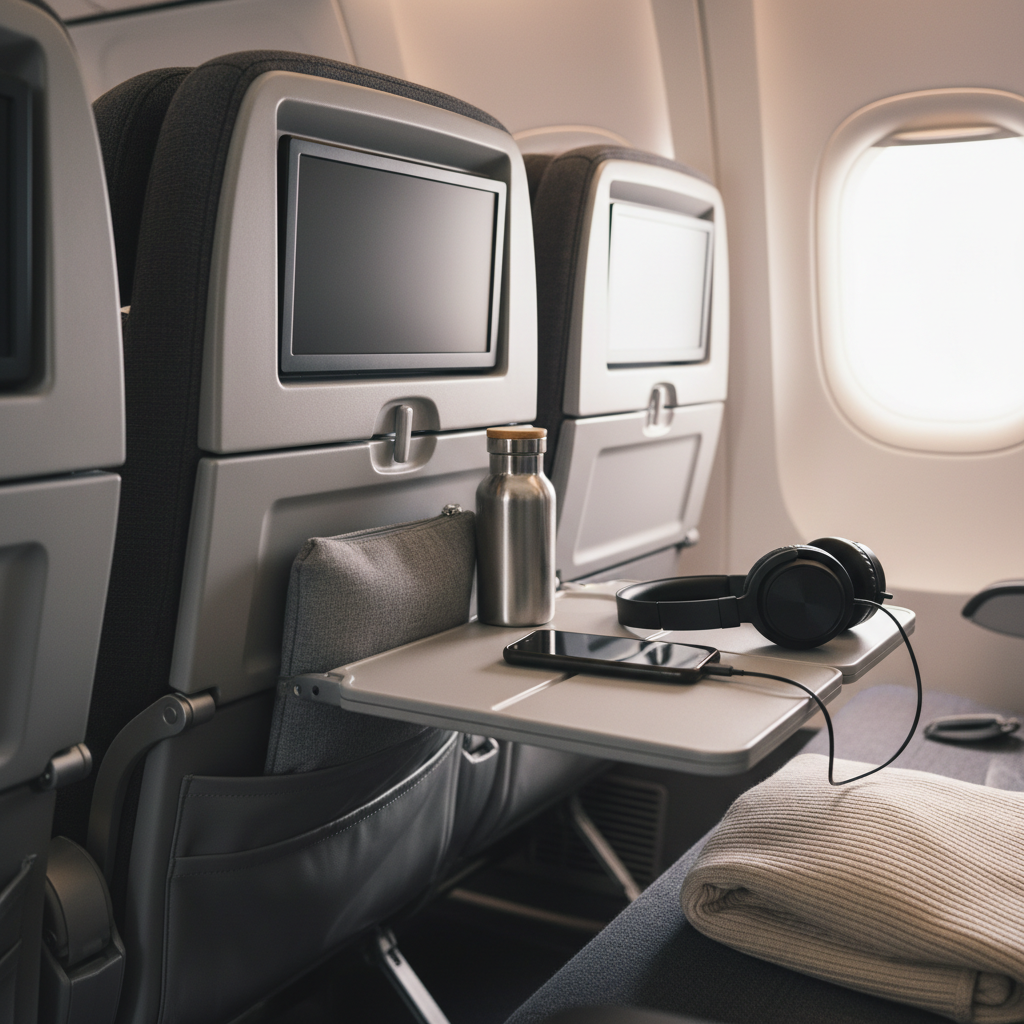
Common mistakes (what sounds smart but usually isn’t)
A few habits look “prepared” but tend to backfire on long trips, mostly because they add bulk without reducing stress.
- Packing too many outfits in your personal item, then having no space for comfort gear you’ll use on the plane.
- Relying on airline amenities for sleep. Sometimes you get a pillow and blanket, sometimes you don’t, sometimes they’re uncomfortable.
- Bringing brand-new gear without testing it, especially neck pillows and headphones. If it irritates you at home, it’ll feel worse in a middle seat.
- Checking critical items like meds, contacts, or one “reset” layer. Delays happen, and you don’t want to be stuck without basics.
According to the TSA, liquids in carry-on bags must follow the 3-1-1 rule. That’s obvious in theory, but in practice it’s why people end up tossing the exact skincare or gel item they hoped would keep them comfortable.
When to consider professional advice (health and safety)
Most long-haul discomfort is just discomfort, but there are situations where a quick check-in with a professional is a smarter move than trial-and-error packing.
- History of blood clots, recent surgery, pregnancy, or other risk factors: ask a clinician about movement, hydration, and compression.
- Sleep meds or anxiety meds for flying: discuss timing and interactions with a healthcare professional, and avoid mixing with alcohol.
- Chronic pain issues: a physical therapist or clinician can suggest positioning strategies that may reduce flare-ups.
Conclusion: pack for the flight, arrive for the trip
The best long haul travel essentials are the ones that make your in-air hours calmer: a simple sleep setup, reliable hydration, organized pouches, and power that doesn’t fail at the wrong time. If you want a clean next step, build a small seat pouch tonight and keep it packed between trips, then do one practice run by sitting with it for 20 minutes, you’ll notice what’s missing fast.
If you’re planning multiple long trips this year, consider making a dedicated “long-haul kit” so you stop rebuilding the list every time. It’s not glamorous, but it saves a surprising amount of mental energy right when you need it most.
FAQ
What are the most important long haul travel essentials for comfort?
Start with sleep blockers (eye mask, earplugs or noise-canceling headphones), hydration support (empty water bottle), and one warm layer. Those three usually reduce the biggest sources of misery.
Do I really need compression socks for a long flight?
Many people like them for swelling and leg fatigue, especially on 8+ hour flights. If you have circulation concerns or medical conditions, it’s reasonable to ask a clinician what’s appropriate for you.
How do I keep my carry-on organized on long trips?
Use two pouches: a seat pouch for items you’ll grab mid-flight and a tech pouch for cables and adapters. The biggest improvement comes from separating “now” items from “later” items.
What should I keep in my personal item vs. overhead carry-on?
Keep meds, a layer, valuables, water bottle, and your comfort kit in the personal item. Overhead is fine for backup clothes and bulkier items, but assume you might not access it during boarding or turbulence.
What snacks are best for long-haul flights?
Go for low-mess options that won’t annoy your future self: nuts, protein bars, crackers, or dried fruit. If you’re sensitive to salt or sugar, pick something bland and predictable.
How can I sleep better on a plane without overpacking?
Darkness and noise control matter more than fancy pillows. A good eye mask plus earplugs often beats a bulky setup, then add a small neck support option if you know your head tends to bob.
What’s the best way to handle charging on international long-haul travel?
Bring a reliable wall plug and the right adapter for your destination, then add a power bank if you have tight connections on arrival. Don’t assume the seat outlet works or that the USB port charges fast.
If you’re building your long haul travel essentials list for the first time and you’d rather not think through every edge case, a simple approach is to copy the table above, pack the “non-negotiables,” and run one mock setup at home so you can trim what you won’t actually use.