
Best travel guide for japan 2026 planning usually comes down to three things: picking a realistic route, getting your bookings right, and not overstuffing every day with “must-sees” you won’t actually enjoy. Japan rewards good planning, but it also punishes rigid planning, especially when weather, crowds, and transit timing shift your day.
If you’ve been bookmarking Tokyo cafés, Kyoto temples, and an onsen town all at once, you’re not alone. The real question is how to turn that inspiration into a trip that feels smooth, not stressful, while still hitting the moments you’ll remember.
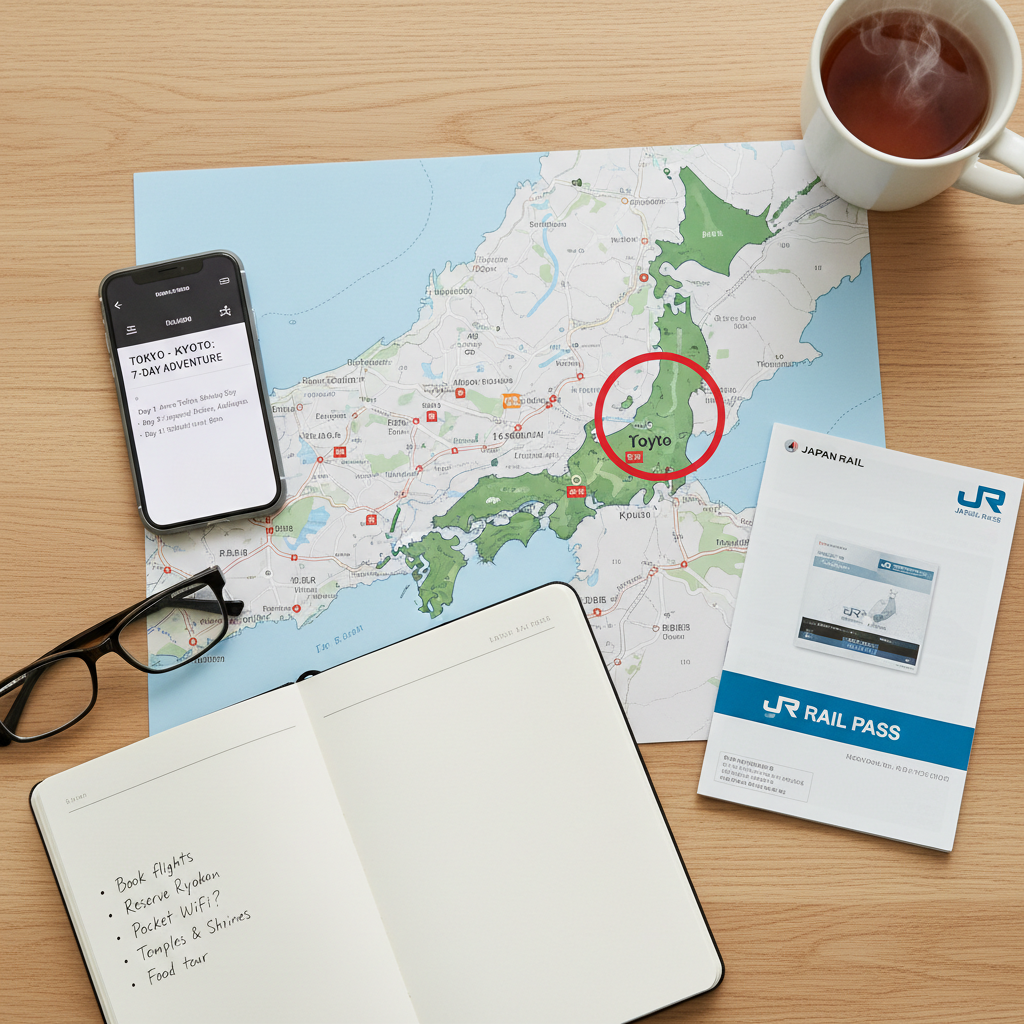
This guide focuses on practical choices Americans tend to struggle with: when to go, how to budget without guessing, how to use trains without feeling lost, and what to reserve early versus what to keep flexible. I’ll also flag common misunderstandings so you don’t “optimize” your trip into exhaustion.
What’s different about Japan travel in 2026 (and what usually stays the same)
Japan changes fast in small ways, and slow in the ways that matter most. Most travelers still rely on trains, still underestimate walking, and still get surprised by how seasonal pricing and crowds feel on the ground.
- Reservations matter more than you think: popular restaurants, certain museums, and some experiences often require advance booking.
- Cashless improves, but not everywhere: many places accept cards and mobile wallets, yet small eateries and rural areas may still prefer cash.
- Transit remains excellent: the rail network is still the backbone of a good route, but your efficiency depends on choosing the right base cities.
- Overtourism pressure continues in hotspots: Kyoto and a few iconic areas can feel crowded at peak hours, which is more about timing than “avoid Kyoto.”
According to Japan National Tourism Organization (JNTO), Japan continues to promote regional travel alongside major cities, which usually means better English support and visitor infrastructure outside the Tokyo–Kyoto corridor than many people expect.
Choose your season: the best times to go (and what to avoid)
The best travel guide for japan 2026 should be honest: “best season” depends on what you can tolerate, crowds, heat, and price. A perfect cherry blossom photo can be a long, shoulder-to-shoulder afternoon if your timing is unlucky.
Quick season cheat sheet
| Season | Why go | Watch-outs | Good for |
|---|---|---|---|
| Late Mar–Apr | Sakura, mild weather | Crowds, higher rates, bloom timing varies | First-timers, city + day trips |
| May | Comfortable, clearer skies | Golden Week can spike demand | Balanced itineraries |
| Jun | Lush scenery | Rainy season, humidity | Food, museums, slower travel |
| Jul–Aug | Festivals, fireworks | Heat, humidity, typhoon risk later | Hokkaido, beaches, events |
| Oct–Nov | Fall foliage, pleasant temps | Popular weeks book out | Kyoto, hiking, scenic trains |
| Dec–Feb | Snow, onsen, fewer crowds (some areas) | Shorter days, cold snaps | Skis, hot springs, winter food |
If you’re flexible, late fall often feels like the sweet spot: comfortable days, good visibility, and less “rush-hour tourism” if you start early.
Build a route that doesn’t punish you: smart itinerary patterns
Most Japan itineraries go wrong in two ways: too many cities, or the right cities in the wrong order. Instead of chasing everywhere, pick 2–4 bases and do day trips.
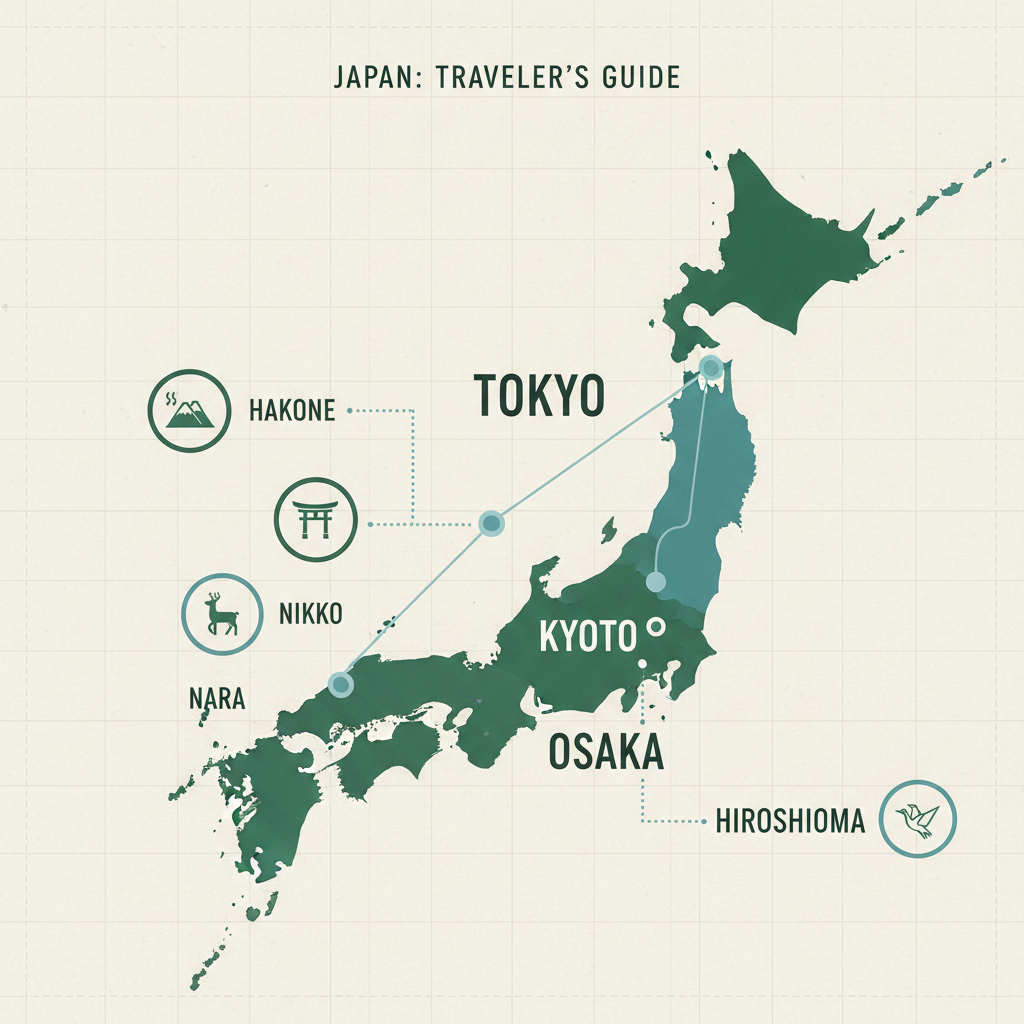
Reliable 7–10 day structure (first trip)
- Tokyo (4–5 nights): neighborhoods, food, shopping, one day trip (Hakone or Nikko).
- Kyoto (2–3 nights): temples, early mornings, one half-day “quiet” area.
- Osaka (2 nights): food, nightlife, day trip to Nara.
Two small upgrades that change everything
- Put Kyoto in the middle, not the end: you’ll have more energy for early starts.
- Add one “breather” destination: an onsen town or coastal city helps the trip feel less like a checklist.
If you want a less obvious trip, consider swapping one major stop for Kanazawa, Takayama, Fukuoka, or parts of Shikoku, but keep travel time honest: long transfers shrink your usable day.
Budget and bookings: what to reserve early vs keep flexible
For Americans, Japan can feel affordable day-to-day, then suddenly expensive when hotels and long-distance transport stack up. A useful approach is to lock the items with limited inventory, and keep everything else adjustable.
Reserve early (many cases, not always)
- Hotels in top areas: especially during peak foliage and sakura windows.
- Long-distance trains on popular dates: if you must travel on a specific morning.
- Special experiences: certain ryokan stays, themed cafés, small-group food tours.
Keep flexible
- Most meals: great food is everywhere, and wandering often beats chasing one viral spot.
- Neighborhood time: shopping streets, parks, museums, arcades.
- Day trip timing: move it based on weather and energy.
According to U.S. Department of State, travelers should review entry requirements and local advisories before departure, and keep digital and paper copies of key documents. It’s not glamorous, but it saves headaches when plans shift.
Getting around: trains, IC cards, and the “don’t overthink it” rules
This is where a lot of “best travel guide for japan 2026” content gets too technical. The reality is simpler: use an IC card for local transit, use trains between cities, and build buffer time for stations that feel like malls.
Key points that keep you sane
- IC cards: tap-in/tap-out convenience for subways and many buses, and often small purchases.
- Navigation apps: they’re excellent in Japan, but confirm the platform number and train name in-station.
- Station time is real time: large hubs can take 10–20 minutes just to reach the right gate.
Rough planning rule
- For city days, plan 2 anchors (one morning, one afternoon), then let the rest be discovery.
- For transfer days, treat it like half a day once you include packing, check-out, and check-in.
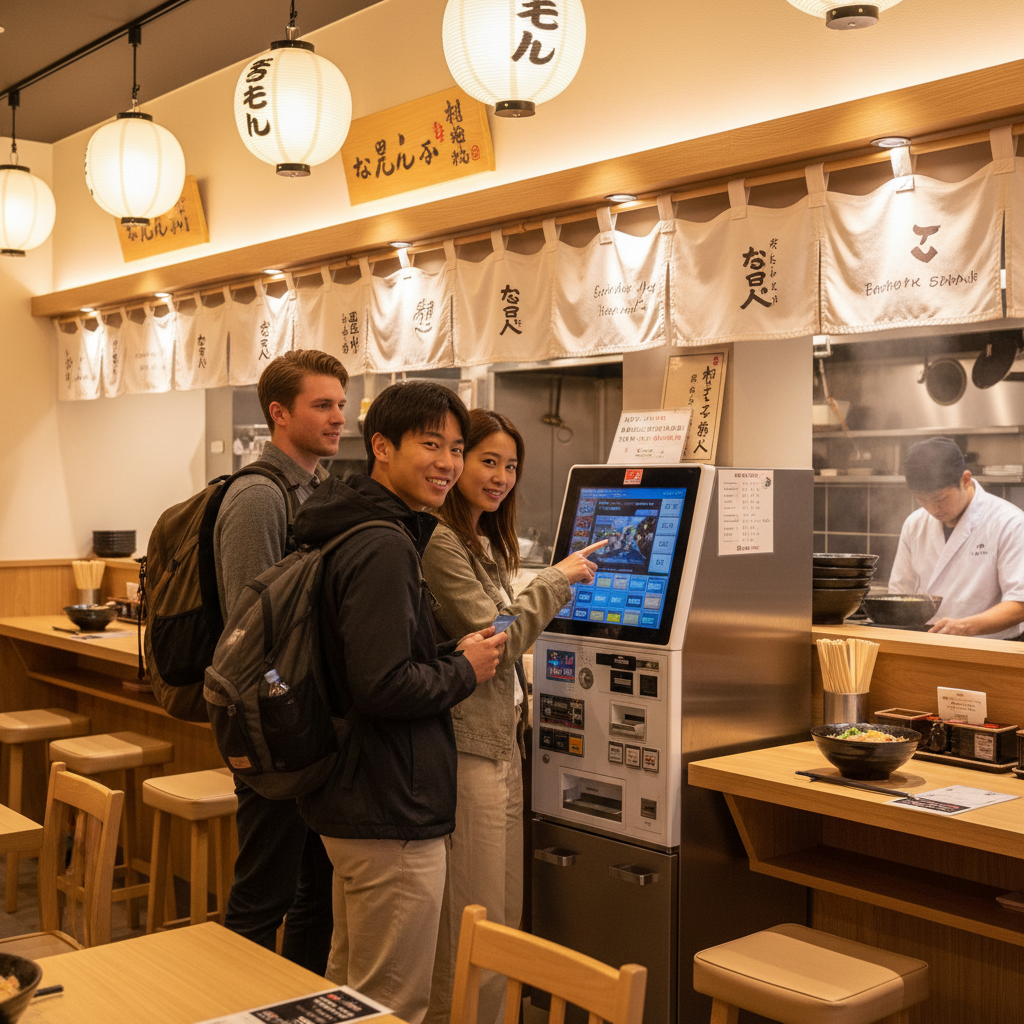
Food, etiquette, and small cultural “gotchas” Americans notice
Japan is welcoming, but it’s also a place where small behaviors add up. You don’t need to be perfect, just observant, and willing to adjust when you realize you’re doing something differently than locals.
- Quiet transit: phone calls on trains can be frowned upon, keep voices low.
- Cash tray culture: many shops prefer you place money on a tray rather than hand-to-hand.
- Trash bins are scarce: carry a small bag, it sounds silly until it’s not.
- Tipping: not customary in many situations, and can create awkwardness.
- Dietary needs: doable, but you’ll want to learn a few phrases or carry a translated card for allergies.
According to Centers for Disease Control and Prevention (CDC), travelers should review destination-specific health guidance and routine vaccinations before international trips; if you have medical conditions or complex medication needs, it’s sensible to consult a clinician.
Practical “before you go” checklist (so you don’t scramble at the airport)
If you only take one thing from this best travel guide for japan 2026, make it this: reduce day-one friction. Jet lag plus logistics is where trips start messy.
Self-check: you’re ready if you can answer “yes” to most
- I know my first night hotel address and how I’ll get there.
- I have a working payment plan (card + backup cash).
- I can access data on arrival (eSIM, SIM, or pocket Wi‑Fi).
- I saved offline copies of reservations and key QR codes.
- I have a light rain layer and comfortable walking shoes.
- I left space in the itinerary for a slow morning.
On-the-ground move that helps immediately
- On day one, do a neighborhood loop near your hotel: convenience store, transit entrance, simple dinner. Keep it easy, your future self will thank you.
Common planning mistakes (and what to do instead)
Some mistakes show up constantly, even among experienced travelers. Not because people are careless, but because Japan’s “ease” can trick you into packing too much into a day.
- Mistake: 5 cities in 10 days. Do instead: 2–3 bases, more day trips, fewer check-ins.
- Mistake: Kyoto at noon, midweek, peak season. Do instead: start earlier, choose one temple zone, then take a long lunch break.
- Mistake: chasing only viral restaurants. Do instead: pick one “priority meal” per day, let the rest be spontaneous.
- Mistake: ignoring weather. Do instead: keep one indoor museum/shopping plan ready as a swap.
Conclusion: how to make your Japan trip feel effortless
The best travel guide for japan 2026 isn’t about squeezing in more, it’s about choosing a route you can actually live inside. When you pick the right season for your tolerance, anchor your days lightly, and reserve only what’s truly scarce, Japan becomes the kind of trip where the “in-between” moments feel as good as the highlights.
Your next step is simple: pick your travel window, choose 2–4 bases, then book the first hotel and one big transfer. After that, keep a little slack in the plan, because that’s usually where Japan surprises you in a good way.