
Best travel guide for thailand 2026 planning usually goes wrong in the same two places, people underestimate distances and overestimate how much they can “wing it” once they land. Thailand is easy to enjoy, but it rewards a little structure, especially if you want islands, temples, food, and a few quieter corners without burning vacation days on transit.
What you want is a plan that matches your travel style, not a one-size itinerary. In 2026, the practical questions still matter most: when to go, which places pair well together, how long to stay, what to book ahead, and what to skip without regret.
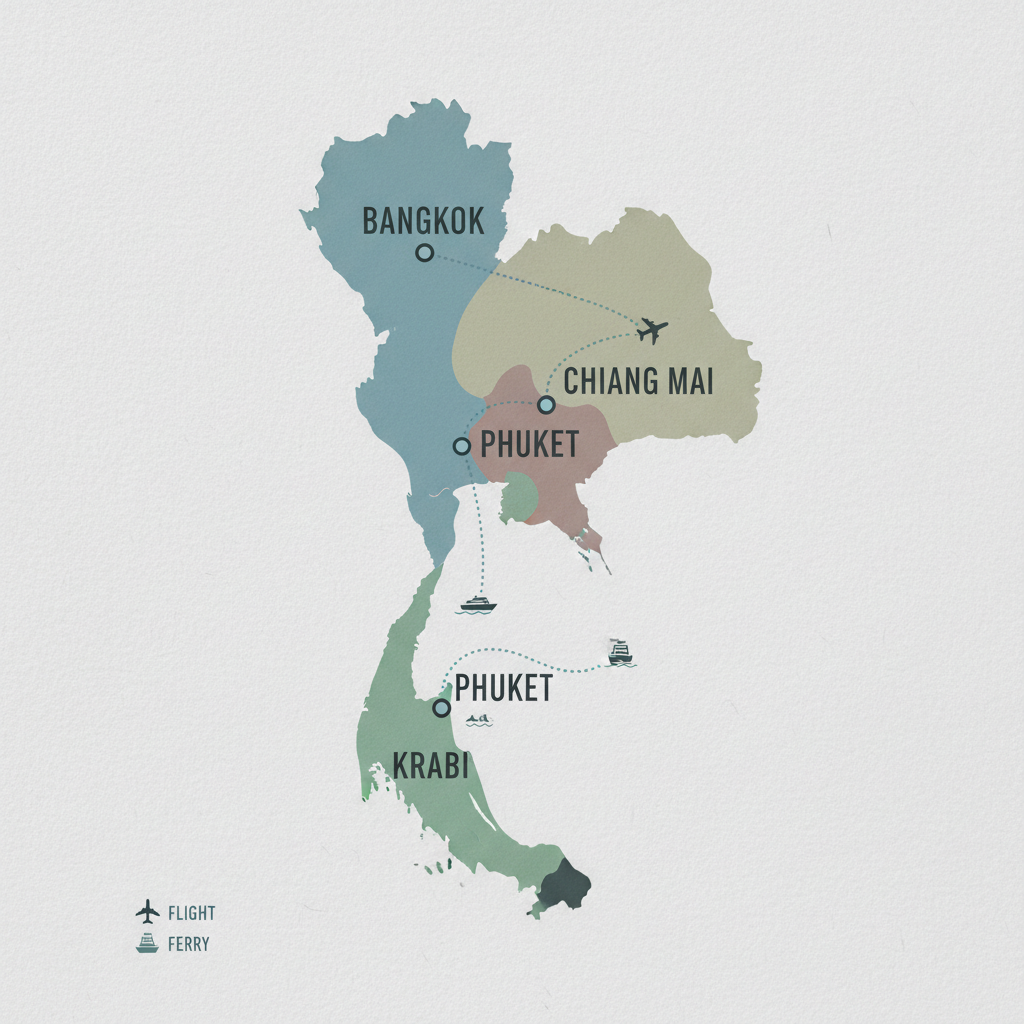
This guide focuses on decisions you can actually make: timing, routes, budgets, bookings, and safety basics. You will also find a few reality checks, because some “must-dos” look great on social but feel like a chore in real life.
What’s different about Thailand travel in 2026 (and what’s not)
Thailand remains one of the most visitor-friendly trips in Southeast Asia, English is common in tourist areas, and it’s still possible to mix comfort and affordability. The basics have not changed: Bangkok is intense but rewarding, the north feels slower, the islands vary wildly, and transportation is generally reliable if you plan around peak hours.
What does change year to year is friction, flight prices, local rules around parks or marine areas, and where crowds concentrate. For current entry requirements, insurance expectations, and official advisories, check primary sources close to departure. According to the U.S. Department of State, travelers should review country information and safety updates before international travel.
If you’re using this as your best travel guide for thailand 2026, treat it as your planning framework, then confirm the last-mile details, ferry timetables, park closures, and local festival dates.
When to go: seasons, weather trade-offs, and crowd math
Thailand timing is less about “good vs bad” and more about what you can tolerate: heat, humidity, rain bursts, or crowds. Many U.S. travelers aim for the cooler, drier stretch roughly from late fall to early spring, but that also pushes prices and availability.
Quick season cheat sheet
- Cooler, drier months: more comfortable city walking, higher demand for hotels and tours.
- Hot season: fewer crowds in some places, but midday sightseeing can feel punishing without breaks.
- Rainy season: often short heavy showers rather than constant rain, better deals are common, sea conditions can be rougher on some routes.
Island planning is where weather matters most. A lot of people book beaches first, then discover their chosen coast has choppier seas or frequent storms at that time. If your trip hinges on snorkeling, boat trips, or ferries, double-check the typical conditions for that side of the country.
Choose your route: 4 proven Thailand itineraries (with realistic pacing)
Most first trips fail because travelers try to do Bangkok, the north, and two island clusters in 10 days. It looks efficient on a map, then you spend half the trip repacking. These routes keep the “moving parts” under control.
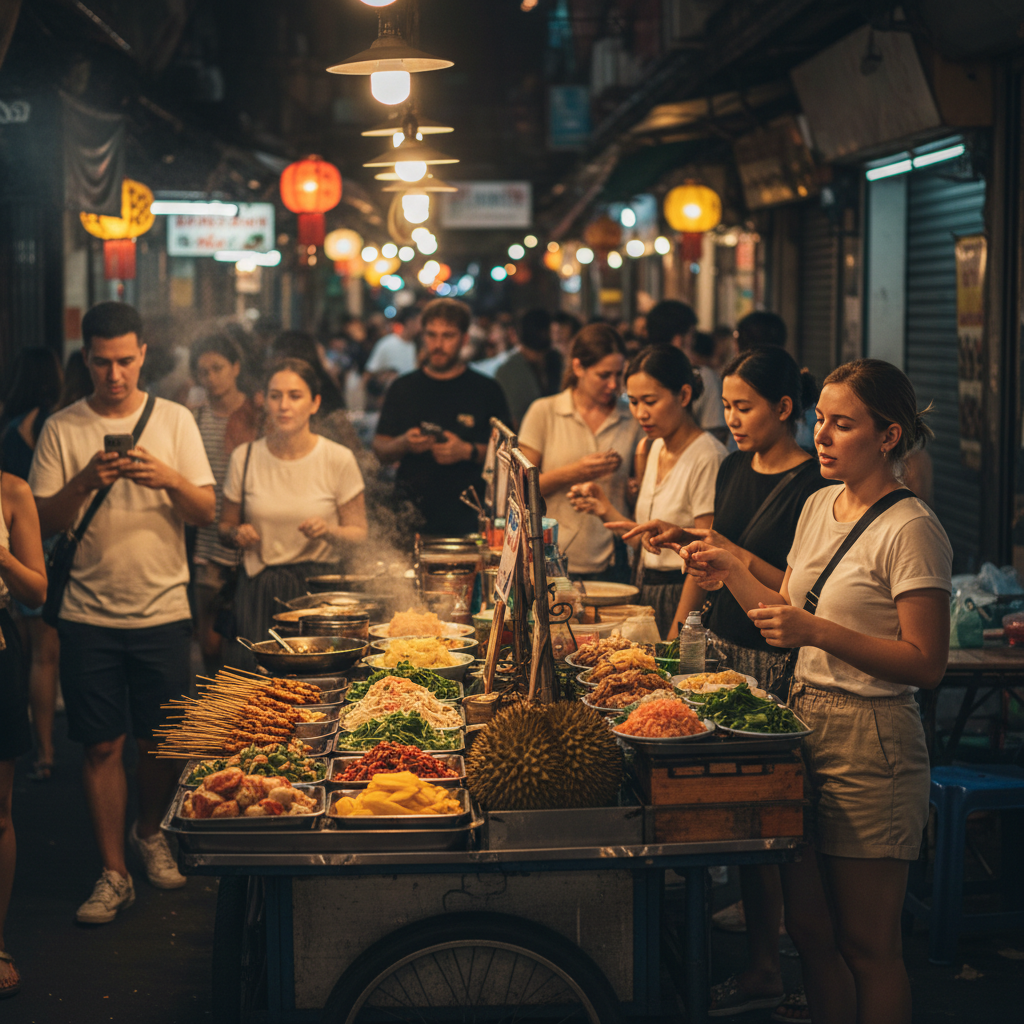
Itinerary A: First-timer classic (10–14 days)
- Bangkok 3–4 nights for food, neighborhoods, day trips
- Chiang Mai 3–4 nights for temples, cafes, nature
- One beach base 4–6 nights, pick either Phuket/Krabi or Koh Samui/Phangan/Tao
Itinerary B: Food and city energy (7–10 days)
- Bangkok 4–6 nights, add a day trip (Ayutthaya or a floating market if you enjoy touristy classics)
- Beach add-on 3–4 nights near a major airport for easy logistics
Itinerary C: North-focused and calmer (10–12 days)
- Bangkok 2–3 nights
- Chiang Mai 4–5 nights
- Chiang Rai or a countryside stay 2–3 nights
- End with 2–3 nights in Bangkok for shopping and departure buffer
Itinerary D: Islands without chaos (9–13 days)
- Bangkok 2–3 nights
- One island cluster for the rest of the trip, move at most once between islands
A simple rule that saves trips: if you’re changing hotels more than every three nights, your itinerary may look exciting but feel exhausting.
Budget and booking: what to reserve early vs keep flexible
Thailand can be surprisingly affordable day-to-day, then quietly expensive when you stack domestic flights, private transfers, and popular hotels. Your biggest lever is deciding what you value: location, sleep quality, or activities.
Typical booking priorities
- Book early: long-haul flights, high-demand hotels in peak season, popular ethical wildlife experiences, limited-seat cooking classes.
- Book closer: most city tours, massages, many local drivers, casual restaurants.
- Stay flexible: a “free day” in each region for weather, mood, jet lag, or a place you unexpectedly like.
Planning table: quick decisions that affect cost
| Decision | Usually saves money | Usually saves time |
|---|---|---|
| Fly vs overnight train | Train (sometimes), if booked smart | Fly |
| Hotel in prime area vs farther out | Farther out | Prime area |
| Private transfers vs shared shuttles | Shared shuttles | Private transfers |
| Island hopping every 2 nights | One base, fewer moves | One base, fewer moves |
If you want this best travel guide for thailand 2026 to translate into a smoother trip, focus on “high-friction” bookings first: flights, first two hotel nights, and at least one beach base that won’t require constant transport.
Practical logistics: cash, connectivity, transport, and day-to-day flow
Thailand is easy to navigate once you accept one truth: travel days are real days. A two-hour flight can still eat most of a day after airport runs, check-in times, and delays.
- Money: keep a mix of card and cash, smaller vendors often prefer cash, and ATMs are common.
- Phone/data: a local SIM or eSIM typically makes maps, ride apps, and translations far less stressful.
- Getting around: in Bangkok, rail lines help avoid traffic, in islands and smaller towns, expect more taxis and songthaews.
- Temples: dress codes are real, pack light layers so you’re not stuck shopping for cover-ups mid-day.
One small but useful habit: screenshot your hotel address in Thai script, many drivers appreciate it, and it reduces the “close enough” drop-off problem.
Safety, health, and etiquette: simple habits that prevent most problems
Most travelers have an easy trip, but the common issues are predictable: scooter accidents, heat exhaustion, petty theft in crowded areas, and travel stomach troubles. You don’t need to be anxious, just a bit deliberate.
- Road safety: if you’re not an experienced rider, renting a scooter can be riskier than it looks, consider taxis or local drivers instead.
- Heat: plan temples and walking for mornings, build in shade breaks, and hydrate more than you think you need.
- Food: street food is part of the joy, start slow if your stomach is sensitive, and consider speaking with a healthcare professional about medications you might want to carry.
- Respect: temple etiquette and appropriate clothing go a long way, when unsure, follow what locals do.
For vaccines, health notices, and destination-specific guidance, consult primary health authorities near departure. According to the Centers for Disease Control and Prevention (CDC), travelers should review recommended vaccines and health precautions for their destination.
Quick self-check: are you planning the right Thailand trip?
This is the part many people skip, then wonder why their itinerary feels “off.” Answer honestly, and adjust before you book anything nonrefundable.
- You might be overpacking the route if you have more than 3 regions in 12 days, or you change hotels every 1–2 nights.
- You might pick the wrong beach base if your plan relies on daily boat tours but you haven’t checked typical sea conditions for that month.
- You might underbudget if you’re stacking domestic flights, private transfers, and high-end hotels without leaving room for activities.
- You’re on a solid track if each region has at least one “open day” and your longest transit days are buffered.
Use this as a filter, not a test. The best travel guide for thailand 2026 is the one that fits your pace and priorities, not the one with the most pins on a map.
Actionable planning steps (a simple 60-minute workflow)
If you’re staring at 20 tabs, do this in one focused session, then stop. Momentum matters more than perfection.
- Pick dates with your tolerance in mind: heat, rain, or crowds.
- Choose 2–3 anchors: Bangkok plus north or one beach cluster, not everything.
- Lock the “hard parts”: international flights, first hotel, beach base in peak season.
- Sketch transit days and keep them light, no “big temple day” right after a long move.
- Save a short list of optional experiences per region, then decide on-site based on weather and energy.
Key takeaways: keep moves limited, align islands with seasonal conditions, book the friction points early, and leave breathing room so the trip feels like a vacation.
Conclusion: the trip that feels easy is usually the trip planned with restraint
Thailand rewards curiosity, but it punishes over-scheduling, especially when you try to mix too many regions too fast. Pick a route you can actually enjoy, protect a couple of flexible days, and invest your planning time where it pays off: timing, transit, and a solid base.
If you want a next step today, choose your itinerary type from the routes above, then book only two things: your flights and your first stay. Everything else can stay light until your plan has a backbone.
FAQ
- How many days do I need for a first trip to Thailand?
Many U.S. travelers find 10–14 days hits a comfortable balance, enough time for Bangkok plus one more region without constant packing. - Is Bangkok worth it if I prefer beaches?
Usually yes for 2–3 nights, Bangkok makes flights and connections easier, and it adds food and culture that balances beach time. - Which is better for first-timers: Phuket or Krabi?
It depends on your vibe, Phuket has more variety and convenience, Krabi often feels more scenic and compact, both can work if you pick the right area. - Should I book domestic flights in advance?
In peak periods, booking earlier can reduce stress and price swings, but if you value flexibility, you can also wait until your dates are firm. - Is it safe to rent a scooter in Thailand?
It can be risky, especially for inexperienced riders, many injuries come from scooters, consider local transport unless you’re confident and properly insured. - Do I need travel insurance for Thailand?
Many travelers choose it for medical and trip disruption coverage, but coverage varies a lot, reading the policy details matters, and for medical questions you may want professional advice. - What should I pack for temples and respectful dress?
Lightweight clothing that covers shoulders and knees is the simplest approach, a thin layer in your day bag prevents last-minute stress.
If you’re trying to turn this into a concrete plan and you’d rather not spend hours comparing routes, hotels, and transit options, a lightweight custom itinerary outline can help, even just to sanity-check timing and avoid the classic overstuffed schedule.