
Tidal flat travel guide searches usually come from one exact problem: you found a dreamy beach-walk spot, then showed up at the wrong tide, got stuck in soft mud, or realized the “walk” is only possible for a short window.
Good news, mudflats are beginner-friendly in many places if you treat them like a tide-timed hike, not a casual stroll, the payoff is huge: mirror-like reflections, tide pools, shorebirds, and miles of shoreline that simply don’t exist at high tide.
In this guide, you’ll learn how to pick a safe location, read tide info without overthinking it, pack the right gear, and avoid the common mistakes that make people swear off tidal flats after one messy day.
What makes tidal flats special (and why timing matters)
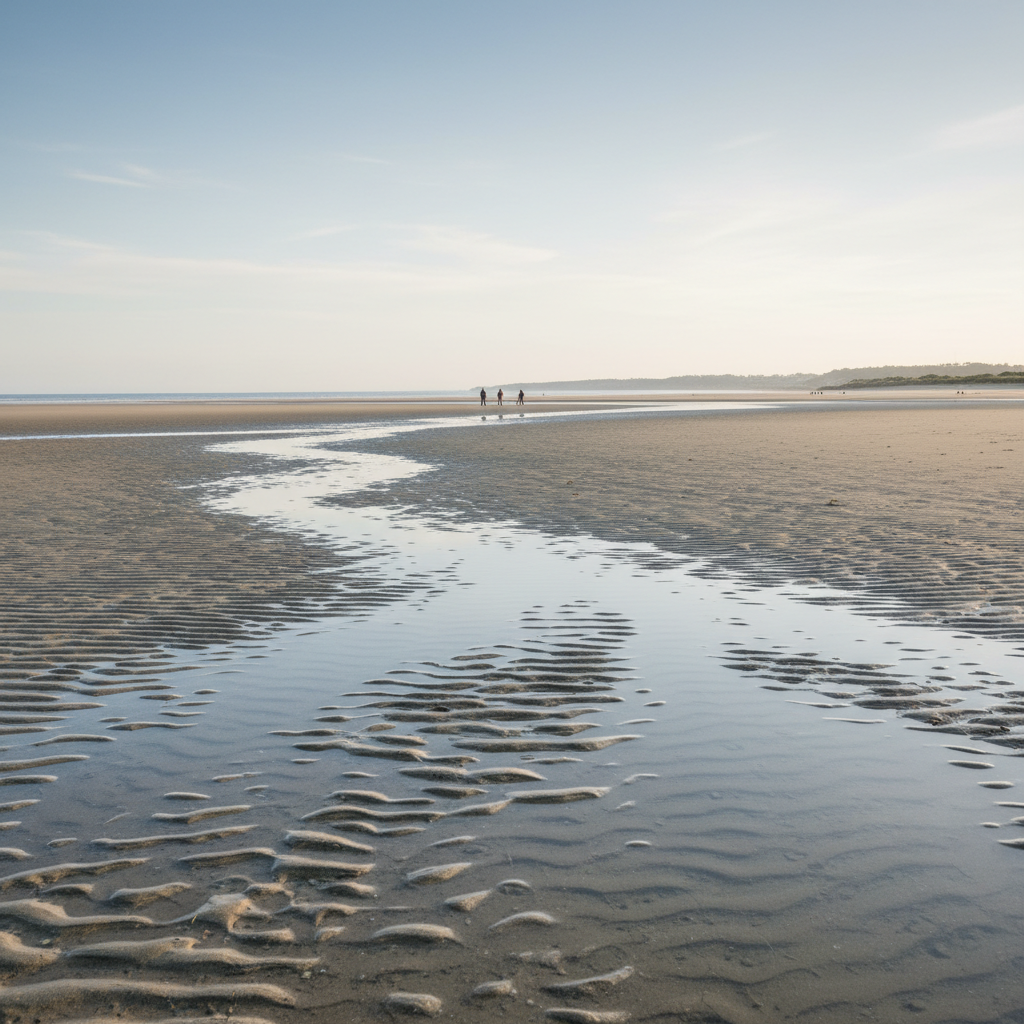
Tidal flats are broad, gently sloped coastal areas that flood and drain with the tide, the “trail” appears and disappears twice a day in many regions. That’s the magic, but it’s also the risk: your route can turn into a shallow bay faster than you expect.
According to NOAA, tide predictions are based on long-term observations at tide stations, and local conditions can still shift water levels. Translation for travelers: use official tide tables as your baseline, then add a margin for wind, storms, and the specific shape of the coast.
- Biggest benefit: access to areas you cannot reach at high tide, like sandbars, tide pools, and bird feeding grounds.
- Biggest constraint: a limited low-tide window, plus changing footing from firm sand to soft silt.
- Biggest surprise: “low tide” isn’t one moment, it’s a period where the water is low enough for your plan.
Common reasons people have a bad mudflat day
Most problems aren’t dramatic, they’re small planning misses that stack up. If you’ve already had one frustrating trip, you’re not alone.
- Arriving at the wrong tide stage: people aim for the “low tide time” but show up at it, not before it, so the exploring window feels short.
- Choosing a spot with tricky substrate: some flats are firm packed sand, others are deep mud that can swallow shoes, a map rarely tells you.
- Overestimating walking speed: wet sand and uneven channels slow you down, plus you stop for photos and tide pools.
- Underestimating sun and wind: many flats are wide-open, shade is minimal, wind chill can surprise you even in mild temps.
- Not knowing local hazards: strong tidal currents in channels, sharp shells, stingrays in some regions, or protected habitat rules.
A quick self-check: is a tidal flat beach walk right for you today?
Before you drive out, run this fast checklist. It’s not about being adventurous, it’s about matching the plan to the conditions.
- Do you have a specific location, not just “somewhere with mudflats,” and does it allow public access?
- Can you identify today’s lowest tide window (and the time it starts rising again)?
- Are you comfortable getting your shoes wet, and potentially muddy up to the ankles?
- Is visibility decent, and is there any fog, storm risk, or high wind warning?
- Do you have a simple “turn-around rule,” like heading back when the water reaches a certain marker?
If you answered “no” to multiple items, you can still go, but scale down the distance, stay closer to shore, and treat it as a short exploratory walk.
How to plan around tides without becoming a tide expert
A practical approach works better than trying to learn everything at once. For most casual beach walks, you’re aiming for a safe, roomy low-water window with time to return.
Use this simple timing rule
- Arrive 1.5–2 hours before the listed low tide time.
- Plan to turn back no later than 1–1.5 hours after low tide, unless the area is known to drain slowly and stays safe.
- If the route crosses channels, shorten the plan, channels can refill early and fast.
Where to get tide info you can trust
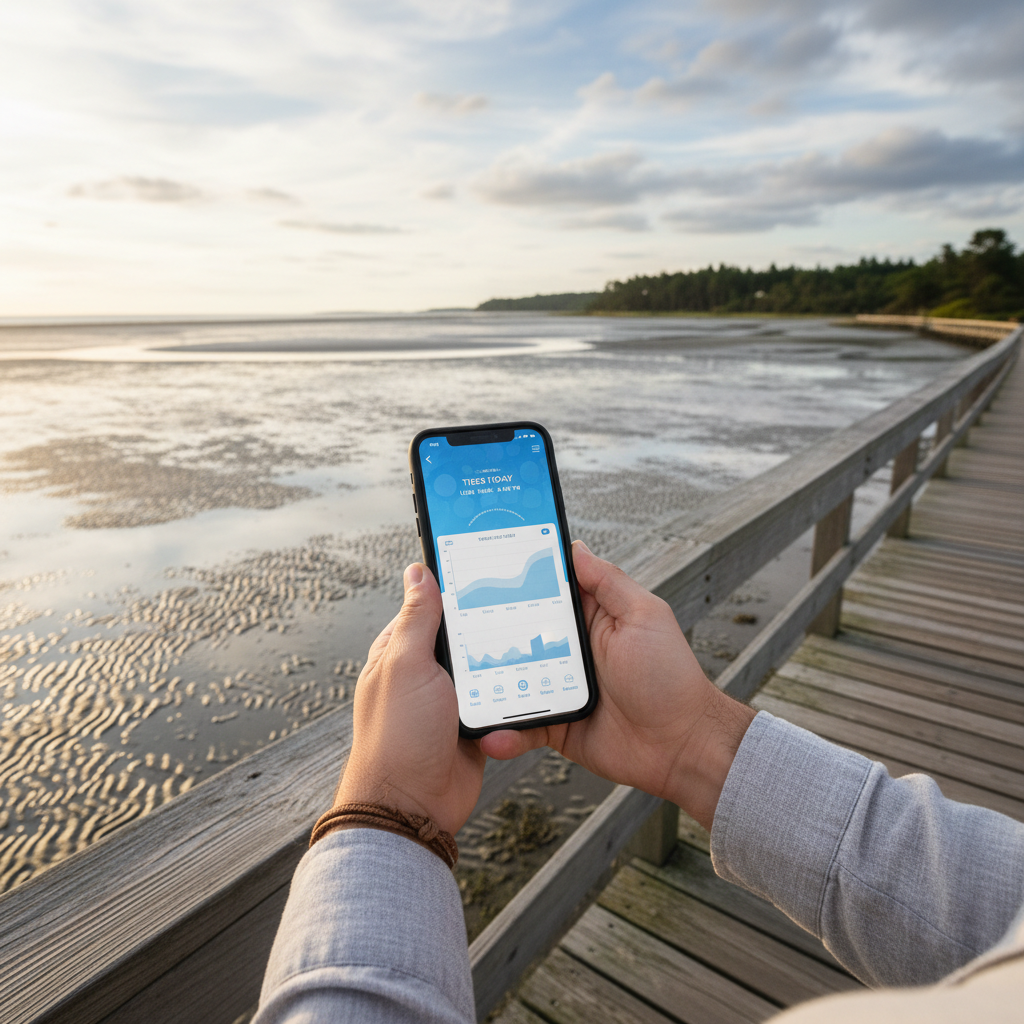
According to NOAA, official tide predictions come from tide stations and are published for navigation and public use. Use NOAA’s tide predictions as your anchor source, then cross-check with a reputable local harbor site or park page for any location notes.
Don’t ignore wind and weather
Strong onshore winds can push water higher than predicted, storms can change conditions quickly, and recent heavy rain can affect water quality near urban outflows. If you’re unsure, it’s reasonable to keep the walk short and avoid wading.
Gear that actually helps (not the “internet packing list”)
You don’t need specialized equipment for every mudflat, but a few choices make the difference between “fun” and “never again.”
| Item | Why it matters on tidal flats | Practical tip |
|---|---|---|
| Water shoes or sandals with heel strap | Wet footing, shells, and slippery algae are common | Avoid flip-flops, they get pulled off in mud |
| Lightweight hiking pole (optional) | Tests depth and firmness before you step | Especially helpful in silty flats and channels |
| Small daypack with dry bag | Protects phone, keys, and layers from splashes | Bring a zip bag even if you skip a dry bag |
| Sun and wind protection | Open terrain means fast sunburn and wind chill | Hat + sunscreen + a thin wind layer |
| Drinking water and snack | Walking on soft sand burns more energy | Hydrate early, not only when you feel thirsty |
Key point: if you expect sticky mud, wear footwear you can rinse, and carry a small towel in the car, it saves your day on the drive home.
On-the-ground technique: how to walk and explore safely
This is where a tidal flat travel guide becomes real, conditions change step to step. A little technique reduces slips, lost shoes, and that panicky feeling when water starts creeping in.
Read the surface like a map
- Shiny, rippled sand often means firmer footing.
- Dark, smooth mud can be soft, test with a pole or a cautious step.
- Algae-covered rocks are slick, slow down and step flat-footed.
Set an easy “turn-around” trigger
- Turn back when you’ve used half your planned time, even if it feels early.
- Turn back if you must cross a channel that’s rising, don’t negotiate with the tide.
- Turn back if fog thickens or you lose landmarks, flats can look identical in every direction.
Respect wildlife and closures
Many flats are critical habitat for shorebirds and shellfish. According to U.S. Fish & Wildlife Service, coastal habitats support migratory birds and other wildlife, and disturbance can have real impacts. Stay on permitted access routes, keep distance from birds, and follow posted shellfish advisories.
Practical itineraries: pick the plan that matches your day
Instead of one “perfect” route, choose a style that fits your tide window, group, and tolerance for mud.
Plan A: Easy intro walk (best for families)
- Stay within sight of the access point and firm sand.
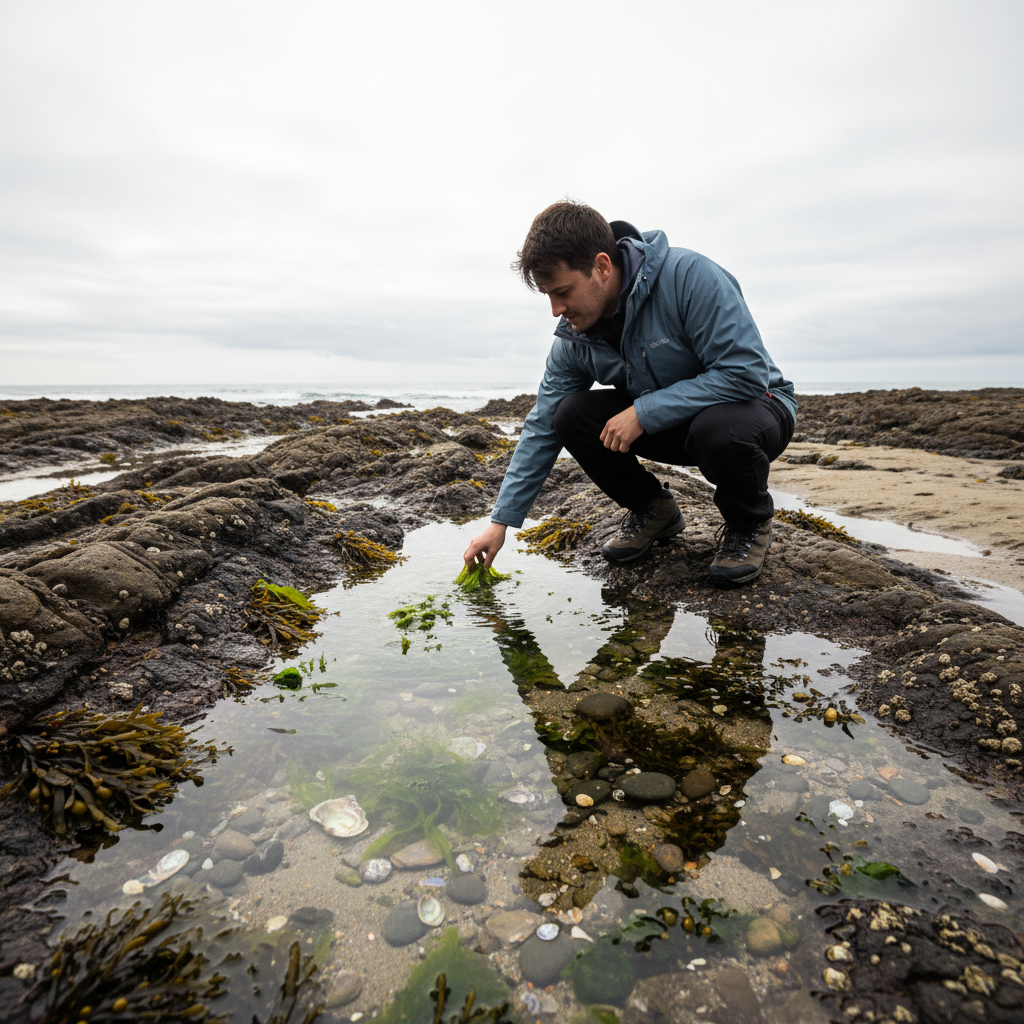
- Explore tide pools near rocks or breakwaters without crossing channels.
- Time on flats: 60–90 minutes, then return before the first obvious rise.
Plan B: Photo-first beach walk
- Arrive early for low-angle light and fewer footprints.
- Look for leading lines: sand ripples, small streams, reflections.
- Keep gear minimal and protected from spray.
Plan C: Longer exploration (only with local confidence)
- Confirm the area is known for safe, broad drainage, ideally with ranger guidance.
- Carry navigation basics, even if it’s just a phone map plus a battery.
- Build extra buffer time, mud and channels slow returns.
Mistakes to avoid (these waste the most time)
- Chasing the lowest number: a super-low tide can expose more area, but it can also mean stronger currents in channels, and a longer walk to reach interesting features.
- Assuming all flats feel the same: two beaches five miles apart can have completely different mud depth and safety profiles.
- Ignoring posted warnings: closures for nesting birds, soft mud, or unstable bluffs are there for a reason.
- Wading “just a little” without thinking: water quality and sharp hazards vary by region, if you have open cuts, it may be wiser to keep feet dry.
When to ask locals or a professional guide
Many travelers do fine solo on popular, well-marked flats, but there are cases where extra help is the smart move, not an overreaction.
- You’re visiting an area known for fast-rising tides, strong currents, or frequent fog.
- You want to cross to an island or sandbar that can become cut off.
- You’re planning shellfish harvesting, which often involves health advisories and regulations, check local agencies and consider expert guidance.
- You have mobility concerns or you’re bringing kids and want a lower-stress first trip.
If anything feels uncertain on arrival, a quick call to a park office, marina, or ranger station can clarify what’s realistic that day.
Conclusion: a safer, better beach walk comes down to one habit
A tidal flat travel guide can’t control the ocean, but it can help you build one reliable habit: plan your walk around the return, not the outbound. Show up early, keep a buffer, and turn back before the tide forces the decision.
If you do one thing after reading this, open a tide forecast for your chosen spot and set a simple turn-around time in your phone, it keeps the day relaxed, even when conditions shift.
FAQ
What is the best tide for walking on tidal flats?
Most people prefer a falling tide into low tide, then a short period after low tide, it gives you room to explore while the water is still moving away or staying low. Exact timing depends on the shoreline shape and any channels.
How early should I arrive for a mudflat beach walk?
Arriving 1.5–2 hours before the listed low tide time usually feels comfortable, you get time to orient yourself, explore, and still return without rushing.
Are tidal flats dangerous?
They can be, but risk varies a lot by location. The most common issues are getting stuck in soft mud, getting cut off by rising water, or slipping on algae. If you’re unsure, stay close to the access point and avoid channel crossings.
Do I need special shoes for tidal flats?
You don’t need technical gear, but footwear that stays on your foot matters. Water shoes or strapped sandals often work well, regular sneakers can get heavy and messy, and flip-flops tend to disappear in mud.
How do I know if the mud is too soft to walk on?
Test before committing, step where others walked, probe with a pole, and watch how quickly the surface fills with water around your foot. If you sink past the ankle easily, it’s usually a sign to retreat to firmer ground.
Can I collect shells or catch crabs on tidal flats?
Sometimes yes, but rules and advisories vary by state, park, and season. Check local regulations and shellfish safety notices, and avoid disturbing habitat areas posted for wildlife protection.
What should I do if the tide starts coming in faster than expected?
Head back immediately using the most direct route, avoid crossing channels if they’re already rising, and move toward higher, firmer ground. If you feel trapped or conditions worsen, consider contacting local authorities, it’s better than trying a risky shortcut.
If you’re planning a trip and want a more tailored plan, like what time to arrive, how long you realistically have on the flats, and what to avoid at your specific beach, it can help to share your location and travel date with someone local or use a guided option that already builds in safety margins.