
best city travel destinations 2026 is a search that usually means one thing: you want a city trip that feels worth the flight, the PTO, and the money, not another “nice on paper” itinerary that turns into long lines and overpriced meals.
City travel in 2026 also comes with a few new realities: shoulder-season travel keeps getting more popular, neighborhoods matter more than landmarks, and travelers want places that are easy to navigate without being glued to a phone the whole time.
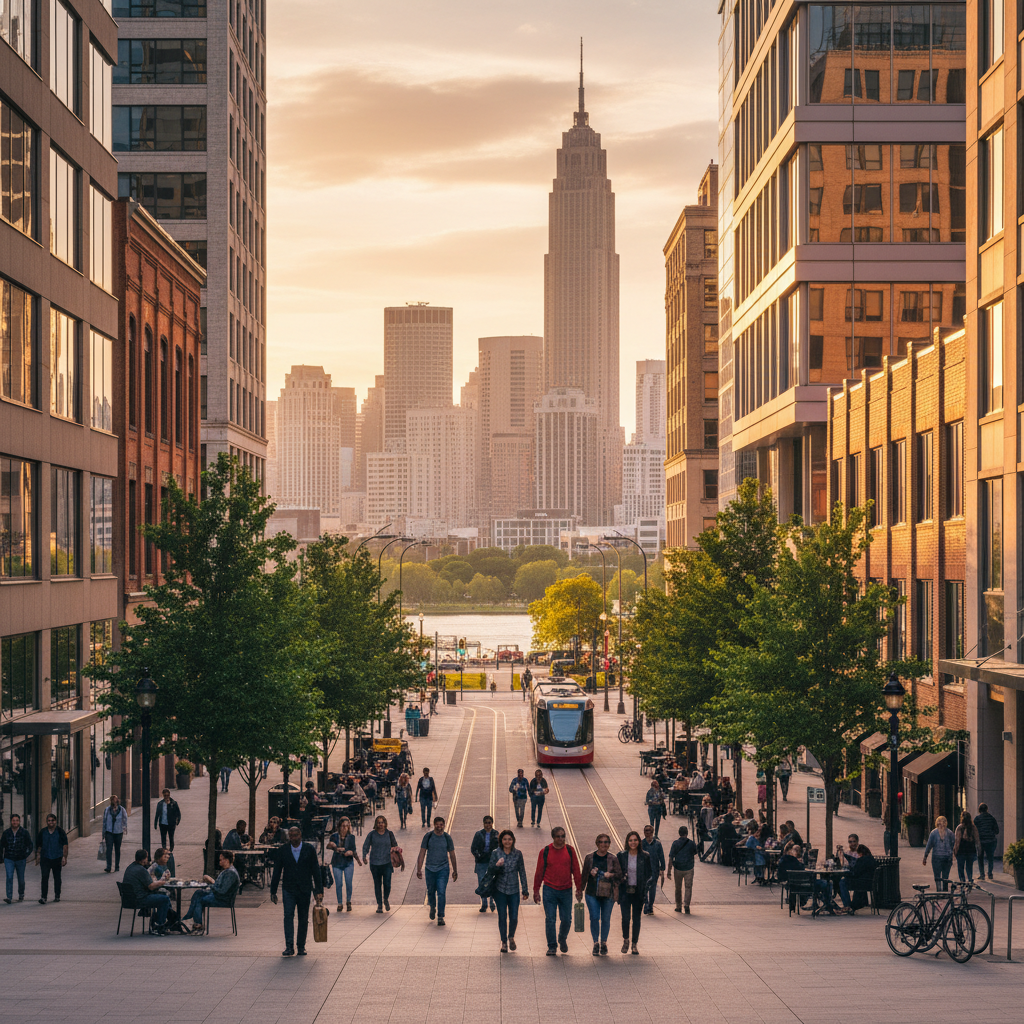
This guide narrows the choices and makes the decision practical, what each city is best for, what to watch (crowds, weather, costs), and how to plan so the trip feels smooth, not stressful.
Quick shortlist: the best city picks for 2026 (by vibe)
If you just want a fast answer, these are strong contenders people often choose when they want culture, food, walkability, and a “big trip” feeling without needing a week off.
- Tokyo, Japan – food, neighborhoods, design, transit that makes you feel competent
- Lisbon, Portugal – scenic streets, day trips, value compared with many Western Europe capitals
- Mexico City, Mexico – museums and cuisine depth, great for long weekends from the U.S.
- Copenhagen, Denmark – biking city, modern food, easy day-to-day logistics
- Seoul, South Korea – street food to fine dining, shopping, late-night energy
- Vancouver, Canada – city + nature combo, friendly for first-time international travelers
- Barcelona, Spain – architecture, beaches, dining, but pick dates carefully for crowds
- Sydney, Australia – iconic harbor city, outdoor lifestyle, best with more time
These aren’t the only great options, but they cover a wide range of budgets and trip styles, and they tend to deliver even if you keep planning simple.
A simple comparison table (so you can choose fast)
One mistake people make with “best city” lists is treating every destination like it has the same friction. This table keeps it honest: you can love a city and still not want it for this trip.
| City | Best for | Trip length sweet spot | Budget feel | Watch-outs |
|---|---|---|---|---|
| Tokyo | Food + neighborhoods + transit | 5–8 days | Mid to high | Jet lag, choice overload |
| Lisbon | Scenery + day trips + value | 4–7 days | Mid | Hills, summer heat |
| Mexico City | Museums + dining + culture | 3–6 days | Low to mid | Altitude, neighborhood selection |
| Copenhagen | Bikeable city, design, calm vibe | 3–5 days | High | Dining costs, weather swings |
| Seoul | Shopping + food + nightlife | 4–7 days | Mid | Busy weekends, long walks |
| Vancouver | City + nature, easy logistics | 3–6 days | High | Hotel pricing in peak season |
| Barcelona | Architecture + beach + tapas | 4–6 days | Mid to high | Crowds, petty theft in tourist zones |
| Sydney | Harbor city, outdoors, iconic sights | 6–10 days | High | Long flight from U.S., peak summer demand |
Why these cities tend to win in 2026
Lists change year to year, but the cities that keep showing up usually have the same “stack” of advantages, they’re enjoyable even when you’re tired, slightly lost, or your plans shift.
- Neighborhood travel beats landmark collecting, places with distinct districts (Tokyo, Mexico City, Barcelona) stay interesting without nonstop transit.
- Good public transportation or easy mobility, it reduces decision fatigue and makes spontaneous plans realistic.
- Food as a main activity, not just something between attractions, which is why Seoul, Tokyo, Lisbon keep scoring well.
- Day trips that actually work, not the kind that require 3 transfers and perfect timing.
- Season flexibility, cities that shine in spring and fall help you dodge peak prices and crowds.
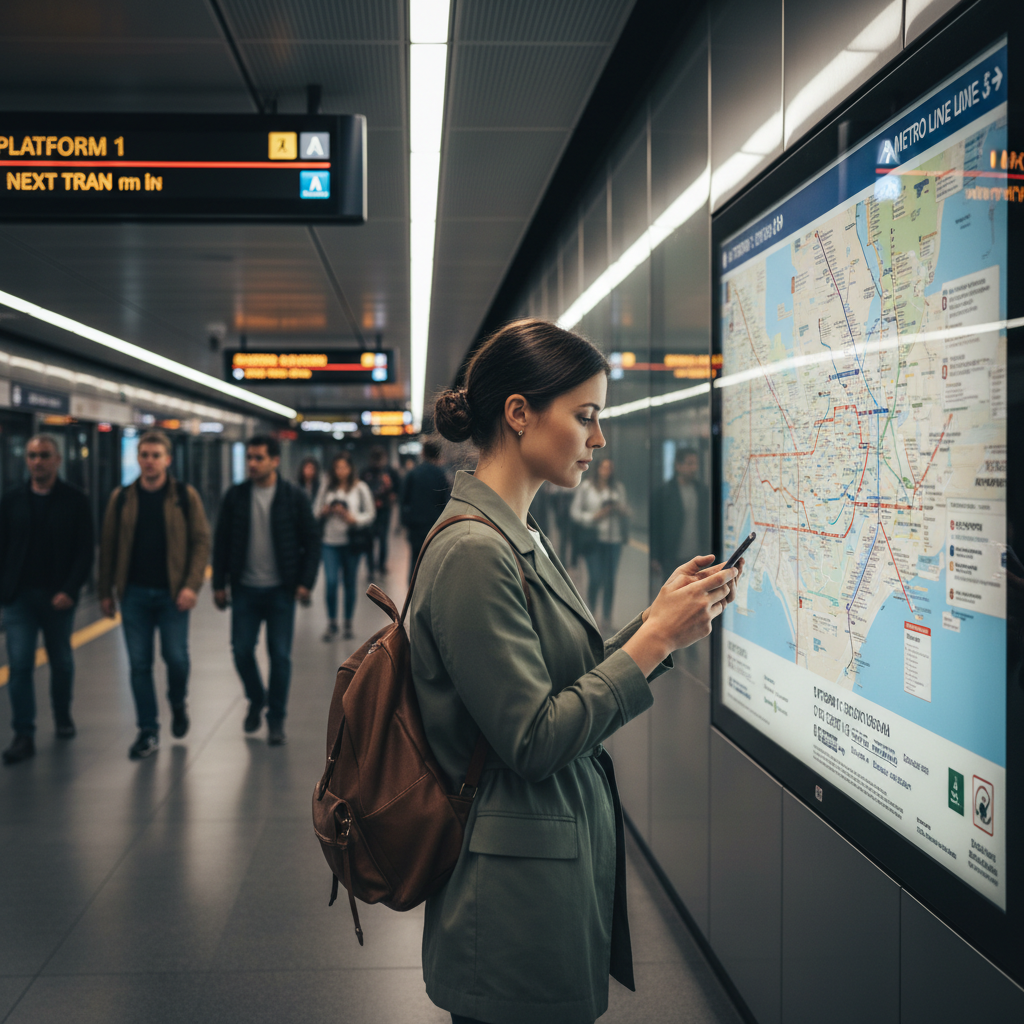
According to UNWTO (United Nations World Tourism Organization)... global tourism continues to recover and evolve, and in many cases that means more competition for the most “obvious” cities, so choosing places that still feel livable as a visitor matters.
Self-check: which “best city travel destinations 2026” list fits you?
Before you commit, do a quick reality check. It’s not about being picky, it’s about avoiding the trip that looks exciting and feels exhausting.
Pick your top 3 priorities
- Food (street food, markets, tasting menus, cafés)
- Walkability (minimal rideshares, easy neighborhoods)
- Museums and culture
- Nightlife (late dinners, clubs, live music)
- Nature access (mountains, coast, parks)
- Budget control (predictable costs, good value hotels)
Then be honest about friction
- How many flight hours feel “worth it” for this trip length?
- Do you enjoy planning, or do you want a city that works with light planning?
- Any health considerations (altitude in Mexico City, lots of stairs in Lisbon), if unsure, checking with a clinician is a reasonable idea.
If you choose based on these answers, you usually land on a city you’ll actually enjoy, not just one you can brag about.
How to plan a city trip that doesn’t feel rushed
The fastest way to ruin even the best city travel destinations 2026 is trying to do everything, every day. A better approach is building a trip around “anchors” and letting the rest stay flexible.
Use the 2-1-1 structure (easy, realistic)
- 2 anchors per day: one major sight + one neighborhood focus
- 1 long meal: lunch or dinner with a reservation (or a market crawl)
- 1 open block: for shops, parks, or whatever you discover
Book the few things that truly sell out
- Popular museums, timed-entry attractions, and any “must” restaurant
- Key transit passes if they save time (varies by city)
- A well-located hotel, because “cheap but far” often becomes expensive in time
According to U.S. Department of State... travelers should review destination-specific safety and entry information before international trips, especially around local advisories and documentation requirements.
Common mistakes (and what to do instead)
A lot of travel content pushes hacks that sound smart but backfire in real itineraries. These are the ones I see most often.
- Mistake: staying in the “most central” area by default
Do instead: pick a neighborhood that matches your evenings, quiet streets if you sleep early, nightlife access if you don’t. - Mistake: packing each day with reservations
Do instead: reserve selectively, protect one flexible window daily. - Mistake: ignoring weather patterns
Do instead: plan indoor-heavy days for rain or heat, and keep the “pretty walk” day flexible. - Mistake: treating safety as vibes
Do instead: read current guidance, ask your hotel about areas to avoid, and use basic precautions in crowded zones.
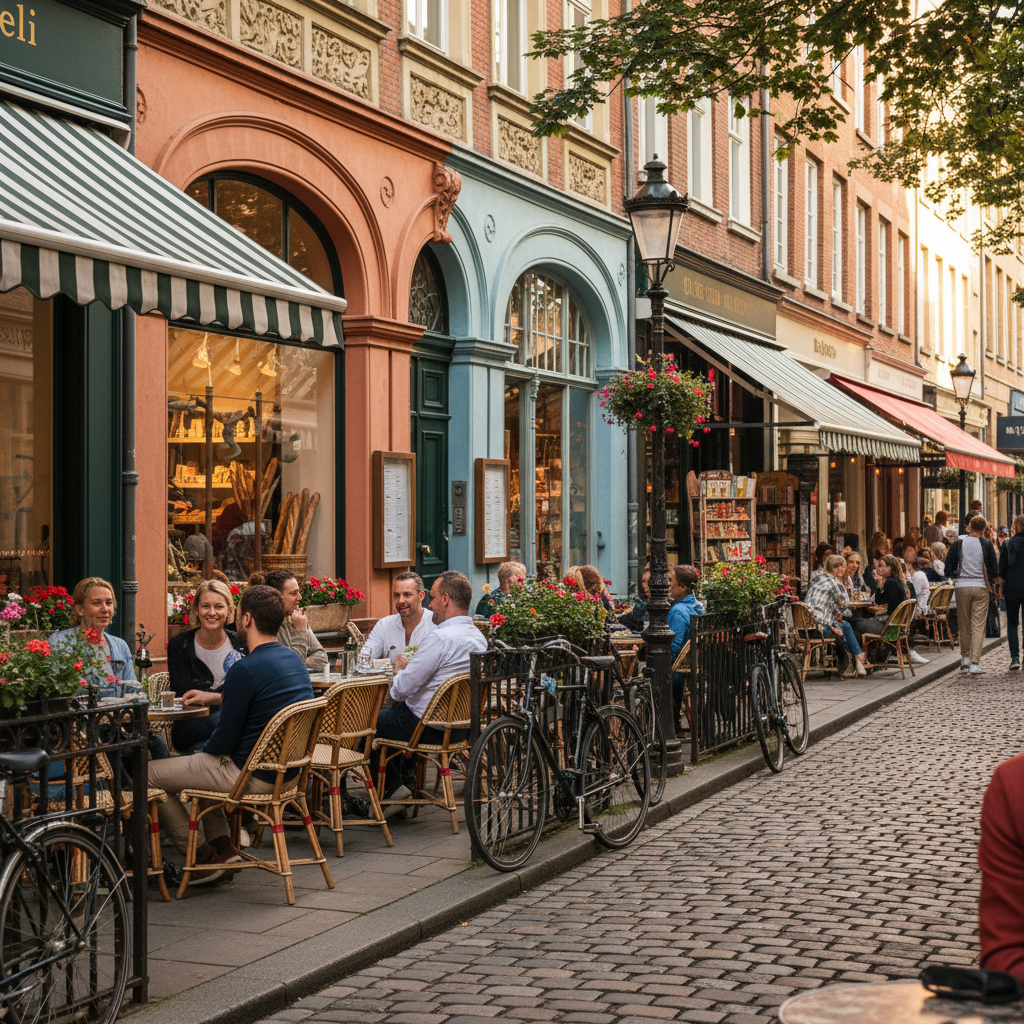
None of these are dramatic errors, they’re just the small choices that decide whether a city feels effortless or like a constant negotiation.
When it’s worth getting expert help (or at least a second opinion)
Not every trip needs a planner, but some scenarios benefit from someone who knows the moving parts.
- Multi-city itineraries where one missed connection breaks the whole plan
- Peak season travel with limited hotel inventory
- Accessibility needs (mobility constraints, dietary restrictions, traveling with seniors), details vary a lot by city and property
- Health considerations like altitude sensitivity or medication timing across time zones, a clinician can help you plan safely
The point isn’t to outsource everything, it’s to reduce risk where it matters and keep your time for the fun parts.
Key takeaways + a practical next step
If you want a 2026 city trip that feels good in real life, pick a destination based on your priorities, choose the right neighborhood, and keep each day slightly under-planned. That’s where the magic usually shows up.
Action idea: choose two finalist cities, then compare them using three filters, flight time, neighborhood fit, and “what you’ll do at 8 p.m.” If one city answers that last question easily, you probably found your match.
FAQ
What are the best city travel destinations 2026 for a 3-day weekend from the U.S.?
Mexico City, Vancouver, and some U.S. classics (like Chicago or NYC) often work well because you can land, check in, and start exploring quickly. For a true weekend, minimize jet lag and long ground transfers.
Which city is best if I hate planning?
Tokyo and Copenhagen can feel surprisingly easy because navigation is straightforward and neighborhoods are well-organized. Still, booking a well-located hotel matters more when you plan lightly.
Are these cities good for first-time international travelers?
Vancouver and Lisbon are common “first international” picks for Americans because logistics feel approachable. Tokyo also works for many people, but the distance and jet lag can be a bigger factor.
How do I avoid crowds in popular cities like Barcelona or Tokyo?
Traveling in shoulder season helps, but timing your day matters too: do major sights early, then shift to neighborhoods and parks mid-day. Staying slightly outside the most touristed core often makes evenings calmer.
What’s the biggest budget trap on city vacations?
Transportation and location trade-offs. A cheaper hotel far away can mean daily rideshares, extra transit time, and fewer spontaneous breaks, which is part of what you’re paying for on a city trip.
Is Mexico City safe for tourists?
Safety varies by neighborhood and time of day, like many large cities. Checking current guidance, choosing a reputable area to stay, and using basic precautions in crowded places is usually the practical approach.
How far ahead should I book for 2026?
For peak summer or major festivals, earlier is often easier for hotels. For shoulder season, you may have more flexibility, but flights and popular stays can still move fast.
If you’re trying to choose between a few best city travel destinations 2026 options and want a more “done-for-you” shortlist, it can help to map your budget, dates, and nightly vibe to neighborhoods first, then build a light itinerary around two daily anchors.