
best travel guide for italy 2026 usually comes down to one thing: making Italy feel easy, even when you have limited time, mixed priorities, and a budget that needs to behave.
If you have ever planned Italy and ended up with a Rome-Florence-Venice sprint that looked good on a map but felt exhausting in real life, you are not alone. Italy rewards slower travel, but it also rewards smart structure, knowing where to pre-book, and where to stay flexible.
This guide focuses on practical choices Americans tend to care about: how many nights per stop, when to use trains versus renting a car, what needs advance tickets, and how to avoid small trip-ruining mistakes like wrong station, wrong train type, or overly ambitious day trips.
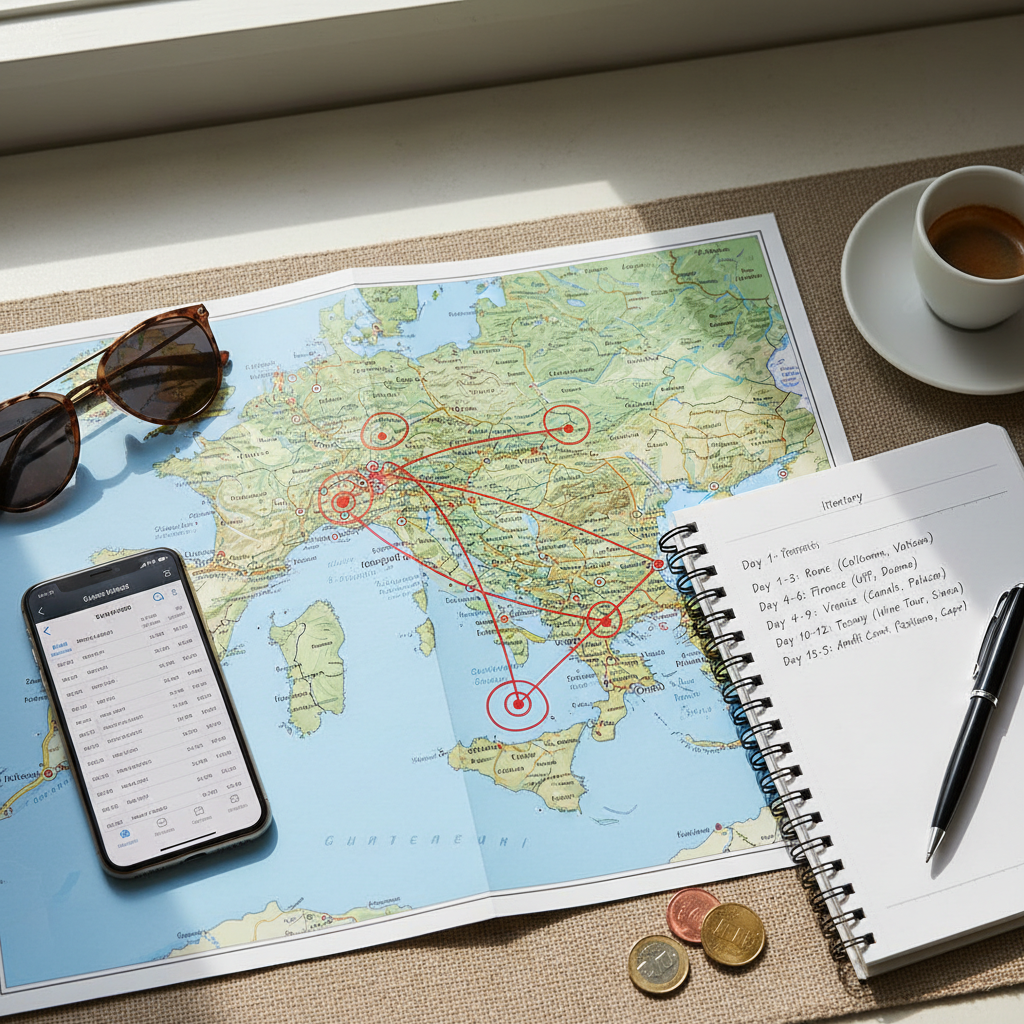
What’s different about Italy travel in 2026 (and what likely stays the same)
Italy changes every year in small ways, but a few travel realities tend to repeat. Big-name sights still attract crowds, trains still make city-to-city travel straightforward, and the best meals still come from picking a neighborhood and eating like you live there for a night.
- Advance booking still matters for headline attractions and popular rail routes, especially during late spring through early fall.
- Shoulder season remains your friend if you want better hotel value and fewer lines, with trade-offs like shorter daylight and occasional rain.
- City logistics keep getting easier in many places with digital tickets and tap-to-pay, but you should still carry a backup card and some cash for small purchases.
According to U.S. Department of State, travelers should review destination-specific safety and entry information before departure, because requirements and advisories can change faster than guidebooks.
Quick Italy game plan: pick your “Italy type” before you book anything
Most itinerary pain comes from trying to do three different trips at once. Decide what kind of Italy you actually want, then let everything else follow.
Choose one primary trip style
- Classic Cities: Rome + Florence + Venice, with one day trip.
- Food & Wine: Bologna + Tuscany countryside, fewer museums, longer lunches.
- Coast & Views: Amalfi or Cinque Terre, slower pace, more stairs, more planning for lodging.
- Family-Friendly: Rome + a smaller base (Lucca, Verona, Sorrento) for easier evenings.
A fast self-check before committing to an itinerary
- Do you get cranky with early mornings? If yes, limit one “big sight” per day.
- Do you love museums or do you mainly want neighborhoods and cafes? Be honest here.
- Are you comfortable driving narrow roads and parking stress? If not, build around trains.
- Do you want to shop? Then protect time for it, do not squeeze it into travel days.
The best Italy itinerary frameworks (7, 10, and 14 days)
Rather than handing you one perfect route, this best travel guide for italy 2026 approach uses frameworks that hold up across budgets and travel styles. You can swap cities without breaking the logic.
7 days: one city + one base (less moving, more living)
- Option A: Rome (4 nights) + Florence (3 nights)
- Option B: Rome (4) + Sorrento (3) for Pompeii/Capri/Amalfi access
- Option C: Milan (3) + Lake Como (4) if you want calmer scenery
10 days: the classic trio, but not rushed
- Rome (4) + Florence (3) + Venice (3)
- Rule of thumb: keep day trips to one, maybe two, and make them short
14 days: add countryside or coast without burning out
- Rome (4) + Florence (3) + Tuscany countryside (3) + Venice (2) + Bologna (2)
- Or: Rome (4) + Florence (3) + Venice (2) + Cinque Terre (3) + Milan (2)
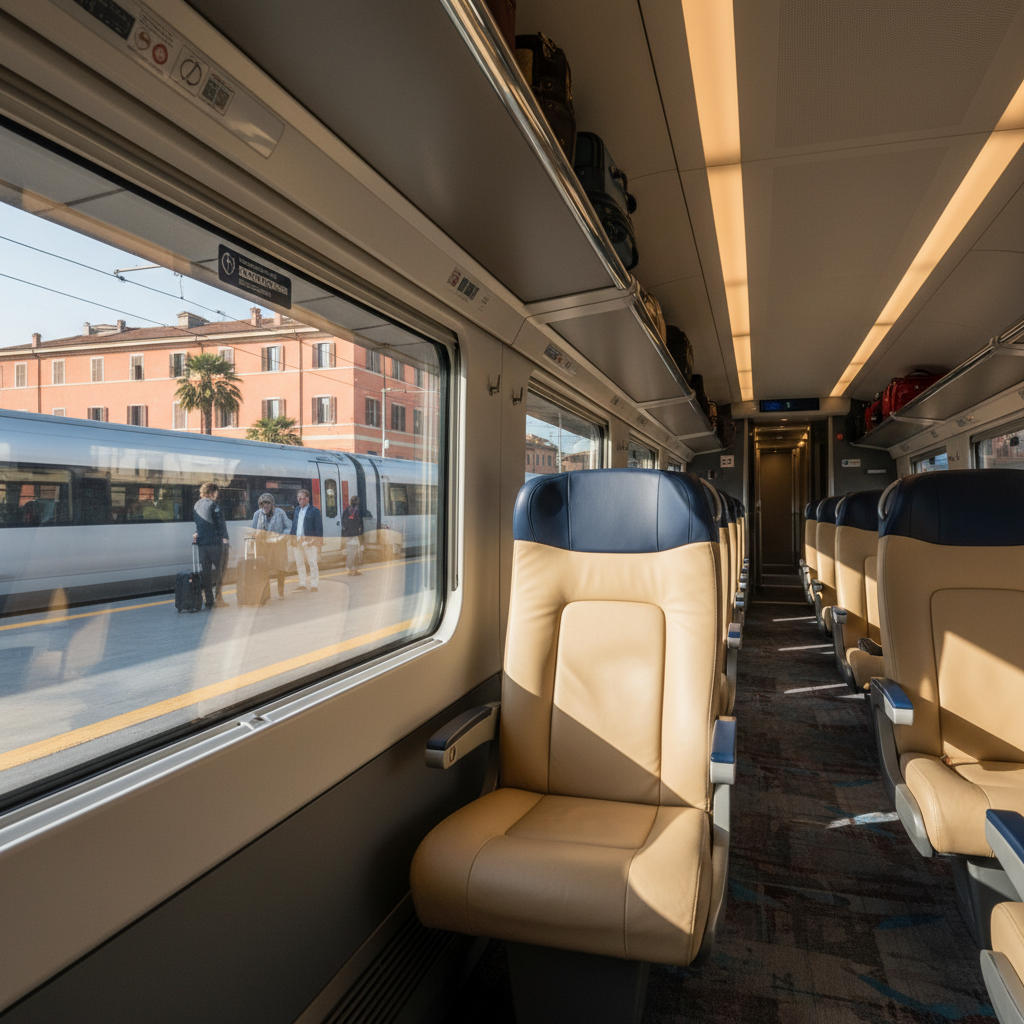
Trains vs. car in Italy: the decision table most people need
If you remember only one planning rule, make it this: trains for major cities, car for countryside. Trying to drive into big historic centers often creates stress you did not budget for.
| Situation | Better choice | Why it works |
|---|---|---|
| Rome, Florence, Venice, Milan city-to-city | Train | Fast, frequent, avoids parking and ZTL restricted zones |
| Tuscany hill towns, Val d’Orcia, rural Umbria | Car | Freedom for small towns, wineries, viewpoints |
| Amalfi Coast base travel | Mixed | Car can be stressful, consider ferries and drivers in peak periods |
| Dolomites drives and scenic loops | Car | Access to trailheads and viewpoints, flexible stops |
| Cinque Terre villages | Train | Parking limits, villages connect well by rail and footpaths |
According to Trenitalia, high-speed routes connect many major Italian cities efficiently, but ticket types and change rules vary, so it pays to read fare conditions before buying.
Booking priorities: what to reserve early vs. what to leave flexible
A common mistake is locking everything in, then discovering you cannot adjust when you hit a heat wave, a rail strike, or simple museum fatigue. You want a hybrid plan.
Usually worth reserving ahead
- High-speed trains on travel days that matter, especially weekends
- Major attractions you truly care about, so you do not waste half a day in line
- Key hotels in small towns where inventory is limited
Often better kept flexible
- Neighborhood dinners, unless it is a specific restaurant you will regret missing
- Day trips that depend on weather, like boats, hikes, or scenic viewpoints
- Museum “extras” that can become optional if you are already saturated
According to CDC, travelers should review routine vaccines and destination-specific health recommendations before international travel; personal health needs vary, so a clinician can help if you have underlying conditions.
Where to stay in Italy (by vibe), and the small lodging details that matter
In many Italian cities, where you sleep decides how you feel at 6 pm. Not the star rating, the neighborhood. The best travel guide for italy 2026 choice is usually a place that makes evenings easy.
Neighborhood logic that tends to work
- Rome: aim for walkability and quick transit access, not necessarily “next to everything.”
- Florence: staying just outside the most crowded core can mean better sleep and better value.
- Venice: choose convenience to your arrival point if you have heavy luggage, bridges add up.
- Amalfi Coast: pick a base that matches your mobility, many areas involve stairs and steep paths.
Details Americans often overlook
- Air conditioning: in warm months, confirm it explicitly, “available” is not always “strong.”
- Elevators: historic buildings may have none, or a very small lift.
- Noise: charming squares can be loud late, bring earplugs if you are a light sleeper.
- Check-in windows: some properties run limited hours, coordinate arrival times.
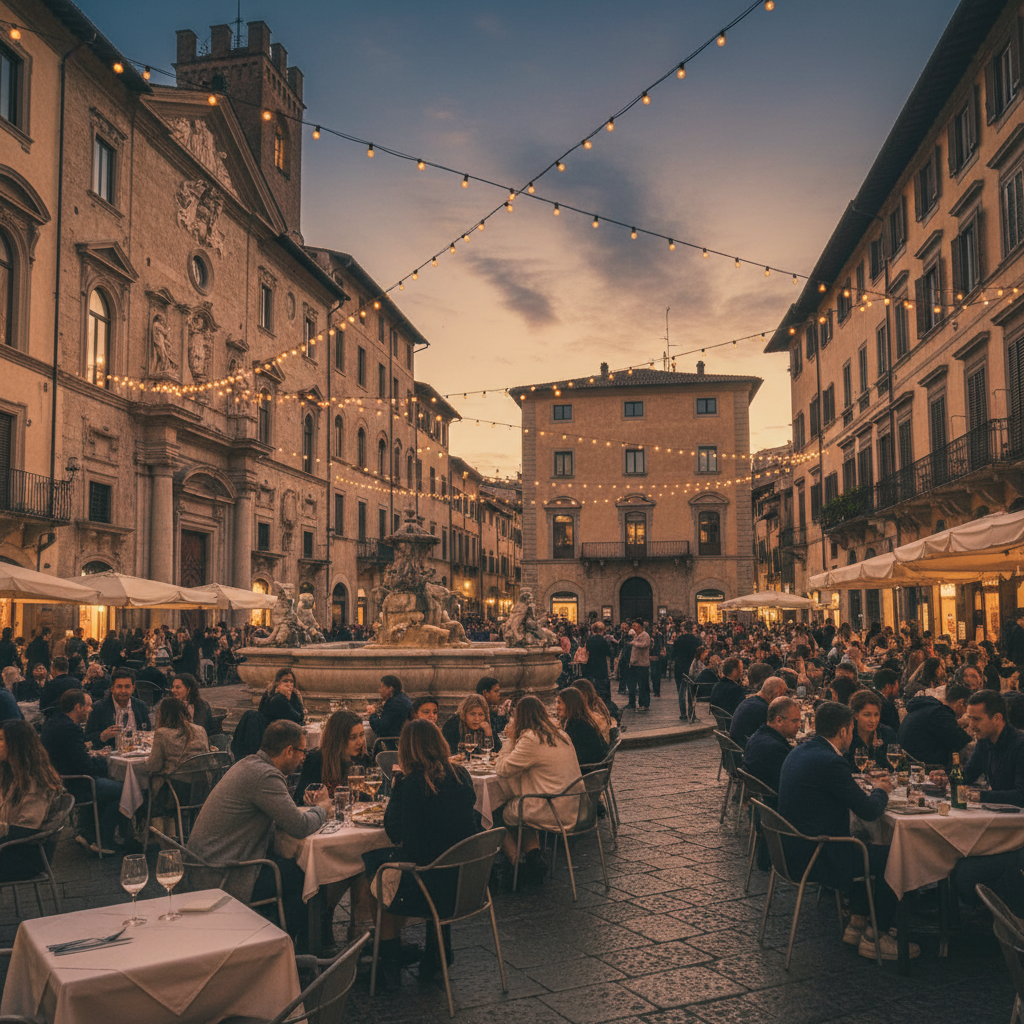
Practical, do-this-now tips: money, safety, connectivity, and packing
This is the part most guides bury, but it saves real stress. Think of it as your pre-flight checklist, not a lifestyle section.
Money and payments
- Carry two cards from different networks when possible, plus a small amount of cash.
- If a machine asks to pay in USD instead of EUR, many travelers prefer EUR to avoid unfavorable conversion, but your bank terms decide the outcome.
Safety and common-sense habits
- In crowded areas, keep your phone and wallet in a harder-to-reach place, pickpocketing can happen in tourist zones.
- If you plan to drive, read up on ZTL zones (restricted traffic areas) so you do not accidentally enter and get fined later.
Connectivity
- Download offline maps for your key cities, it helps when service drops in old stone streets.
- Set up airline, hotel, and rail apps before you travel, and screenshot critical confirmations.
Packing that fits Italy reality
- Comfortable walking shoes matter more than an extra outfit, cobblestones are not forgiving.
- A light layer covers churches, chilly trains, and evenings near water.
- If you visit coastal areas, pack something for stairs and heat, hydration needs can change fast.
Common mistakes (and how to avoid them without over-planning)
Most “bad Italy trips” are not truly bad, they are just overbooked, overmoved, and under-rested. Fix those three and you usually fix the trip.
- Too many bases: changing hotels every 1–2 nights can steal hours and energy, consolidate.
- Day trips stacked back-to-back: one great day trip beats three rushed ones.
- Ignoring travel-time friction: stations, transfers, and getting to hotels take time beyond the train ride.
- Not reading ticket rules: some fares change easily, others do not, learn before purchase.
- Eating only near major sights: walking 10 minutes can change the quality and price.
If your plan still feels tight, try this simple edit: remove one city, add two nights to the place you are most excited about. That is often the difference between checking boxes and actually enjoying Italy.
Conclusion: a 2026 Italy trip that feels calm, not crammed
The best travel guide for italy 2026 is less about secret spots and more about making realistic choices: pick an Italy style, build a route with breathing room, then pre-book only what would hurt to miss.
If you want a clear next step, do two things tonight: lock your trip window and choose your top two bases. Once those are set, trains, tickets, and day trips become straightforward instead of overwhelming.