
Farm stay travel ideas work best for family trips when you treat them less like a “cute weekend away” and more like a simple plan: where you’ll sleep, what you’ll eat, and how much farm participation your crew can realistically handle.
If you’ve ever booked a “family-friendly” stay that turned into cranky kids, muddy shoes everywhere, and a stressed-out parent trying to cook in an unfamiliar kitchen, you already get why this matters. A farm can be magical, but it can also be loud at dawn, spread out, and full of rules that aren’t obvious from a listing.
This guide focuses on the practical side, how to pick the right kind of farm stay, what questions to ask, and a few itinerary ideas that feel fun without turning your trip into a second job.
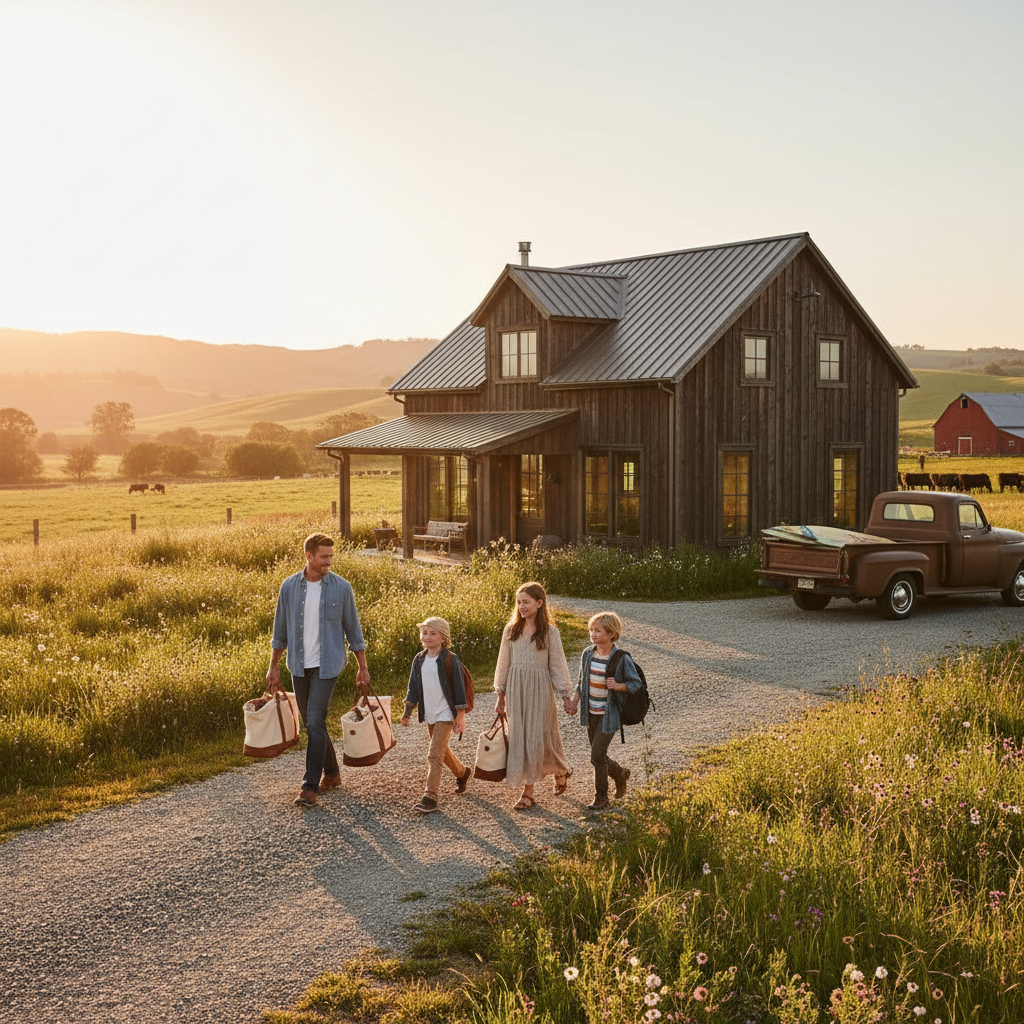
Pick the right farm stay for your family (it matters more than the location)
Not every farm stay is a petting-zoo vibe. Many are working farms with schedules, equipment, and animals that require boundaries. The easiest trips usually start with matching the farm type to your kids’ ages and your energy level.
- Working livestock farm: Great for animal-loving kids, but mornings can start early and there may be strong smells, noise, and “look, don’t touch” areas.
- Dude ranch or riding-focused farm: Ideal for older kids who can follow instructions; lessons and helmets are a plus, but costs climb quickly.
- Orchard/vineyard/produce farm: Often calmer, more “stroll and snack,” with seasonal picking, farm stands, and short activities.
- Agritourism property with cabins: Usually the most family-friendly setup: clear paths, play areas, planned activities.
- Homestead-style stay: Cozy and personal, but may require more self-sufficiency (cooking, limited Wi‑Fi, quiet hours).
Quick reality check: if your children still nap, you’ll likely be happier with a cabin or guesthouse close to the activity area, not a detached rental a long walk from everything.
Self-check: are you choosing a farm stay that will actually feel relaxing?
Before you book, run through this list. It helps you catch “this sounded cute online” moments early, when you can still pivot.
Booking-fit checklist
- Sleep: Are roosters, tractors, or barn fans nearby? Is there blackout coverage or quiet hours?
- Bathrooms: One bathroom for five people can be fine, but only if you’re honest about mornings.
- Food: Is breakfast included, is there a kitchen, and how far is the nearest grocery store?
- Boundaries: Are there fenced areas, ponds, electric fences, or “staff only” zones?
- Allergies/asthma: Hay, dander, and dust can trigger symptoms; consider discussing with a clinician if that’s relevant.
- Car time: Do you want “stay on property” days, or are you okay driving 30–60 minutes for activities?
- Weather backup: What’s the rainy-day plan, especially if the lodging is small?
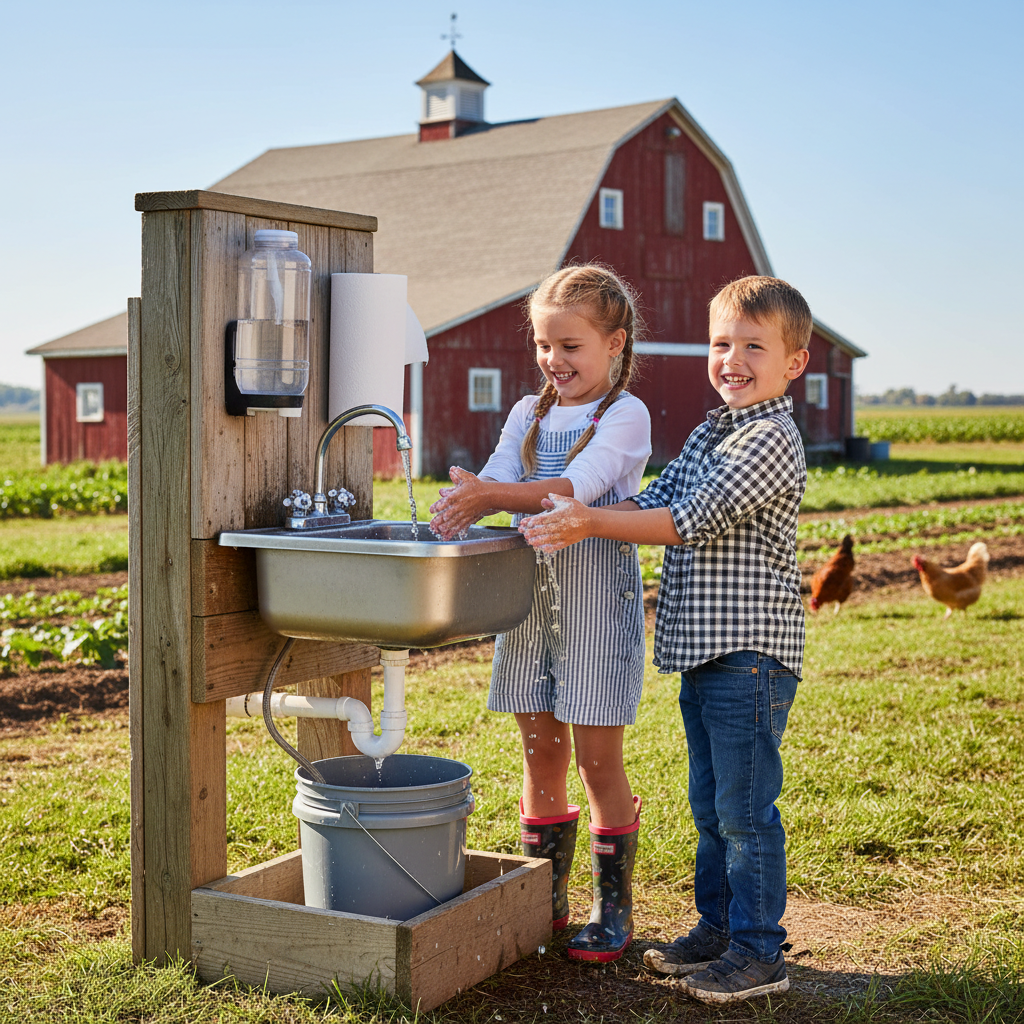
According to CDC, handwashing is one of the most important ways to prevent the spread of germs, which is worth remembering when kids move between animal areas and snack time.
Smart questions to ask before you book (so surprises don’t ruin day one)
Good hosts usually appreciate clear questions because it shows you’re trying to be respectful on a working property. You don’t need a long interrogation, just the points that affect safety and comfort.
- What animals are guest-accessible, and what areas are off-limits?
- Are there scheduled chores guests can join, and are they kid-appropriate?
- Is there staff on-site after hours, or is it self-check-in and self-manage?
- What’s the policy on feeding animals, bringing snacks into barns, and touching equipment?
- Do you provide boots, helmets, or handwashing stations?
- Is the road access easy for a standard car, including after rain?
If the listing is vague and the host can’t answer basic safety questions, that’s usually a sign to keep looking, especially for younger kids.
Farm stay travel ideas by age: what tends to work
Kids’ ages change the whole trip. A “busy” farm stay can be perfect for a 10-year-old and exhausting with a toddler. Use these as starting points, not rigid rules.
Toddlers and preschoolers
- Choose short, repeatable activities: collecting eggs, quick animal visits, simple tractor ride if offered.
- Prioritize fenced play areas and a lodging setup that supports naps.
- Bring a small “mud kit”: extra socks, wipes, and a bag for dirty clothes.
Elementary-age kids
- Look for guided chores: feeding, brushing animals, garden harvesting.
- Add one “learning” hook: how compost works, where milk comes from, or a seed-to-table meal.
- Give them a camera or scavenger list so they feel involved without needing constant entertainment.
Teens
- Pick skill-based experiences: riding lessons, cheesemaking, beekeeping demos, farm-to-table cooking.
- Let them have down time, hammocks and a decent common area matter more than you think.
- Offer a choice: one farm activity plus one nearby town outing or hike.
A simple 2–3 day itinerary that doesn’t feel overplanned
Most families do better when the schedule has one anchor activity per day and plenty of breathing room. Farms already provide “background entertainment” if you let them.
Day 1: arrive, orient, and keep it light
- Arrive before dinner if possible, do a short property walk with kids.
- Ask the host: “What’s the best time to see animals?” and plan around that.
- Simple dinner: grill, farm stand items, or an easy takeout run.
Day 2: one big farm moment + flexible afternoon
- Morning chores or guided activity, then snacks and handwashing.
- Midday quiet time at lodging, even older kids benefit from a reset.
- Afternoon: pick-your-own produce, creek walk on property, or a short drive to a local park.
Day 3: quick win, then leave before everyone melts down
- One last animal visit or farm store stop.
- Pack early, load the car, then let kids roam in a contained area for 20 minutes.
That “leave before meltdown” part sounds unromantic, but it’s often what makes families want to do a farm stay again.
Compare options fast: a table for choosing your best-fit farm stay
If you’re juggling multiple listings, this quick comparison helps you decide what to prioritize based on your trip goals.
| Trip goal | Farm stay type to consider | Why it fits | Watch-outs |
|---|---|---|---|
| Low-stress, lots of downtime | Cabins on an agritourism farm | Clear guest areas, planned activities | Can feel more “resort-like” than rustic |
| Animal-obsessed kids | Livestock or mixed working farm | More animal interaction opportunities | Early mornings, stronger smells, safety rules |
| Food-focused family | Orchard, produce farm, vineyard stay | Picking, tastings, farm shops nearby | Seasonality, some activities limited off-season |
| Skill-building adventure | Ranch/riding program | Lessons give structure and progression | Cost, age/weight limits, liability waivers |
Practical packing and prep that saves the trip
The best farm stay travel ideas are sometimes boring, because they’re about avoiding friction. A little prep prevents the “we forgot boots” spiral.
What to pack (beyond your usual weekend list)
- Footwear: waterproof boots or shoes that can get dirty, plus a backup pair.
- Layers: mornings and evenings can feel colder in open fields.
- Hand hygiene: travel soap, wipes, and a small towel for the car.
- Allergy basics: any needed meds, and consider a plan for pollen or animal dander.
- Snack buffer: kids get hungry between “activities,” farms often have limited quick options.
- Car organizers: a bin for muddy items keeps lodging cleaner.
Key takeaways to keep in mind
- One main activity per day usually beats a packed schedule.
- Ask about boundaries before arrival, not after a kid runs toward a pen.
- Plan meals early, because rural areas can mean fewer choices and longer drives.
Safety, etiquette, and common mistakes families make
This is the part people skip, then wonder why a host seems stressed. Farms are homes and workplaces, and kids don’t automatically understand that.
- Don’t assume every animal wants attention: even friendly animals can bite or kick if startled, keep a respectful distance unless invited.
- Watch fingers around fences: especially with goats and horses.
- Food rules matter: feeding animals the wrong thing can make them sick, always ask.
- Close gates: it sounds small, but it can be a big deal on a working property.
- Quiet hours are real: early mornings go both ways, guests also need to keep noise down at night.
According to USDA, visitors to farms and petting zoos should wash hands after touching animals and before eating, and supervised handwashing is especially important for young children.
If anyone in your family has a health condition that could be affected by animal exposure or dust, it’s smart to discuss travel plans with a healthcare professional.
Wrap-up: make your farm stay feel like a vacation, not a project
Farm stays can be the kind of trip your kids talk about for months, but the smooth ones usually come from simple choices: pick a farm that matches your family’s rhythm, confirm the practical details, and keep the daily plan light.
If you want an easy next step, choose two potential properties, send each host three questions about activities, boundaries, and meals, then book the one that answers clearly and feels set up for families.
FAQ
What are the best farm stay travel ideas for a first-time family trip?
Start with a farm that has a clear guest area, scheduled activities, and easy meal options. First trips go best when you can participate without improvising every detail.
Are farm stays safe for young kids?
Many can be safe, but it depends on fencing, supervision, and how “working” the property is. Ask about off-limits zones, handwashing stations, and whether activities are guided.
How do I find a farm stay that isn’t too rustic?
Look for listings that show the bathroom, kitchen, and sleeping setup clearly, not just the barn and animals. Reviews that mention heat/AC, hot water, and road access are also useful.
What should we do if it rains during our farm stay?
Plan one indoor-friendly option: a nearby museum, a bigger town for lunch, or a cabin game night. Also ask if the host offers covered areas for animal viewing or workshops.
Can families with allergies still do a farm stay?
Sometimes yes, but it’s case-by-case. Animal dander, hay, and dust can be triggers, so consider a produce-focused farm, bring supplies, and get medical advice if symptoms are severe.
Do farm stays usually include meals?
Some include breakfast or sell farm products, but many are self-catering. Confirm what “kitchen access” really means and how far you’ll drive for groceries.
How far in advance should I book a family farm stay?
Peak seasons and harvest weekends can fill up quickly, especially near major cities. If your dates are fixed, booking earlier gives you better choices and fewer compromises.
If you’re planning a family trip and want farm stay travel ideas tailored to your kids’ ages, budget, and how hands-on you want the experience to be, it can help to map out two itinerary options before booking so the stay fits your real-life pace.