
How to choose vacation rental safely starts with one mindset shift: treat every listing like a deal you still need to verify, even when photos look perfect and reviews sound glowing.
Most booking problems don’t come from “bad luck,” they come from small assumptions, skipping a quick check, paying outside the platform, or not reading the rules until after check-in. A little friction up front usually saves you money, time, and stress later.
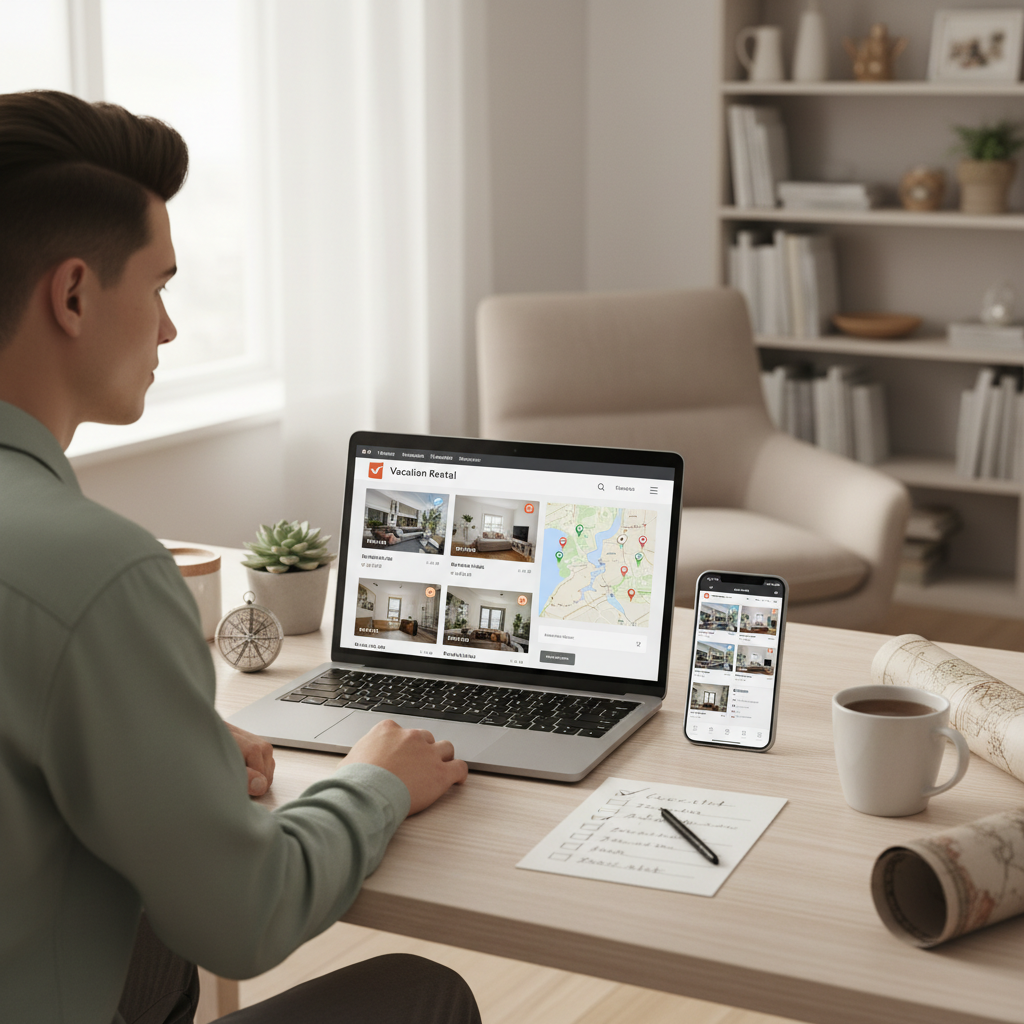
This guide walks through practical checks you can do in 15–30 minutes: validating the host and property, reading reviews like an investigator, confirming safety basics, and using payment methods that keep you protected.
Start with the listing: quick legitimacy checks
If you only do a few things, do these. They catch a large share of the scams and “not as described” situations without turning you into a detective.
- Look for consistency: photos, description, amenities, and rules should match. If a listing says “quiet family neighborhood” but highlights “party-friendly,” pause.
- Confirm a real address pattern: you often won’t see the exact address before booking, but you can validate the neighborhood and distance claims using the map view and nearby landmarks.
- Watch for price traps: a too-good nightly rate sometimes hides high cleaning fees, resort fees, or mandatory add-ons.
- Read the cancellation policy early: don’t wait until checkout to notice it’s non-refundable.
According to the Federal Trade Commission (FTC), scammers frequently use urgency and off-platform communication to push payments that are hard to reverse. If you feel rushed, that’s information.
Reviews matter, but read them the “non-obvious” way
People skim star ratings and call it done. The safer move is to look for patterns, especially around cleanliness, accuracy, noise, and how issues were handled.
What to look for in reviews
- Specifics beat vibes: “photos accurate, bed firm, street noise after 10pm” tells you more than “great stay.”
- How the host responds: calm, solution-focused replies often signal a responsible operator.
- Repeated friction points: “parking confusing,” “hot water inconsistent,” “AC loud” repeated by different guests usually means it’s real.
- Recent reviews: a property can change managers, renovate, or decline. Heavily weight the last 6–12 months.
Also check whether complaints are dealbreakers for your trip. A remote cabin with spotty Wi‑Fi might be fine for a couple, stressful for a work trip.
Choose a safer platform and use protections on purpose
How to choose vacation rental safely isn’t only about the house, it’s also about the booking rails. When something goes wrong, your outcome often depends on what documentation exists and what protections you used.
- Stay on-platform for messaging and payment: it creates a record and reduces the “wire me money” risk.
- Use a credit card when possible: dispute processes vary, but credit cards typically offer more leverage than debit cards.
- Don’t accept “special discounts” for paying elsewhere: legitimate hosts can discount within the platform.
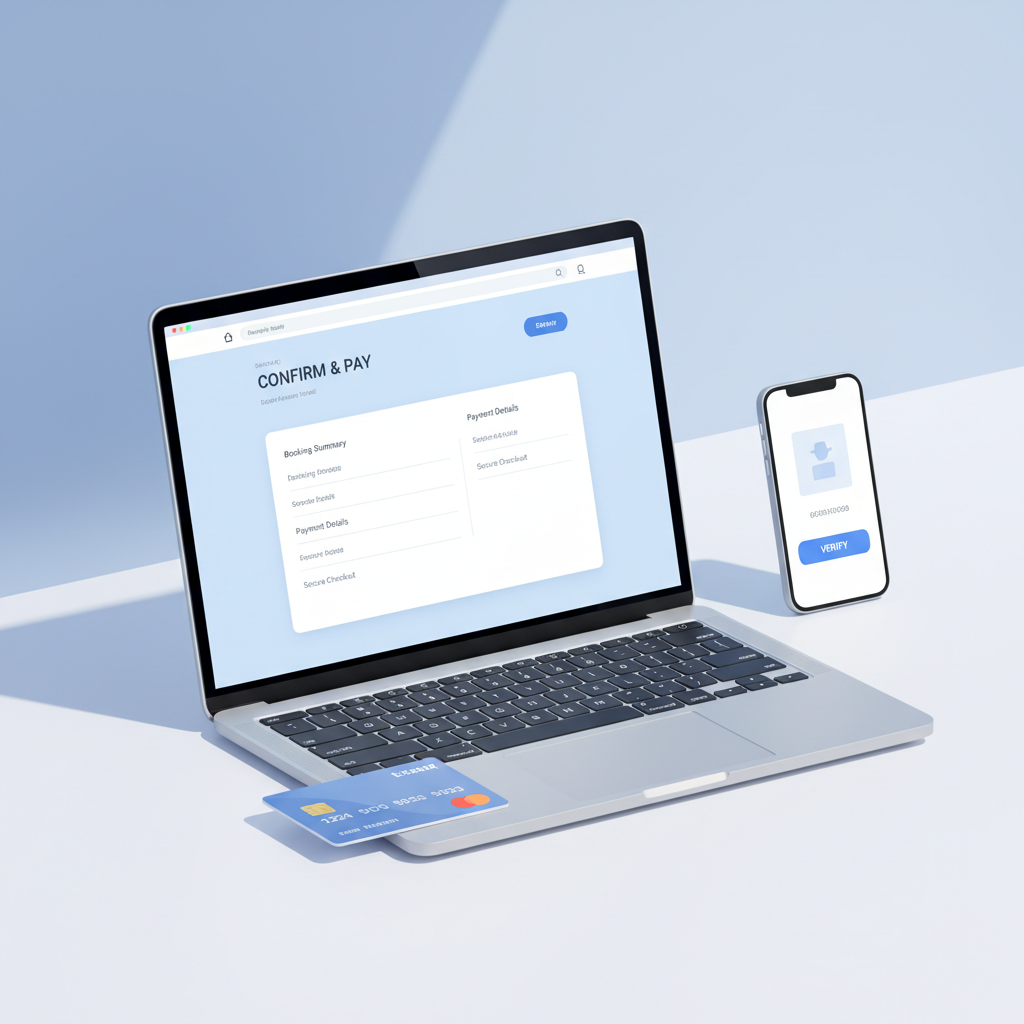
One more practical move: take screenshots (or export PDFs) of the listing details, house rules, and cancellation terms at booking time. If the listing changes later, you still have what you agreed to.
Safety checklist: what to confirm before you book
You’re not doing a home inspection, but you are screening for common risks. If a host can’t answer basic questions, that’s a signal.
| Category | What to confirm | Why it matters |
|---|---|---|
| Entry & locks | Clear check-in method, unique door code or key process | Reduces unauthorized access risk |
| Fire safety | Smoke alarms, CO alarm where relevant, fire extinguisher | Basic life safety in most homes |
| Neighborhood fit | Noise expectations, parking reality, walkability claims | Avoids “surprise” discomfort and conflict |
| Child/pet considerations | Stairs, pool access, fencing, pet rules | Prevents avoidable hazards and fees |
| Weather/season risks | Heating/AC capacity, winter access, hurricane policies | Limits trip disruption |
According to the U.S. Consumer Product Safety Commission (CPSC), having functioning smoke alarms is a core home safety practice. Listings don’t always mention it clearly, so asking is reasonable.
Message the host: questions that reveal the truth fast
This step feels awkward to some people, but it’s where you learn whether the host is responsive and honest. Keep it short, and ask things that can’t be answered with marketing copy.
- “Can you confirm the Wi‑Fi speed range and where the router is located?” Helpful for remote work and also tests responsiveness.
- “Is there anything not shown in photos that guests often ask about?” Good hosts disclose quirks.
- “What’s the backup plan if the lockbox or smart lock fails?” You want a real process, not “it never happens.”
- “What are the quiet hours and how is noise handled?” Sets expectations for both you and neighbors.
If answers are vague, defensive, or push you to text privately right away, consider another option. Plenty of solid rentals exist; you don’t need to force one.
On arrival: a 10-minute safety and accuracy scan
How to choose vacation rental safely also includes what you do at check-in, because problems are easiest to solve when you catch them early and document them.
- Walk through with your phone camera: record any damage, missing items, or cleanliness issues before you unpack.
- Test essentials: locks, hot water, HVAC, stove (if you plan to cook), and Wi‑Fi.
- Locate safety items: exits, fire extinguisher, first-aid kit if provided.
- Report issues in writing: use the platform message thread so it’s time-stamped.
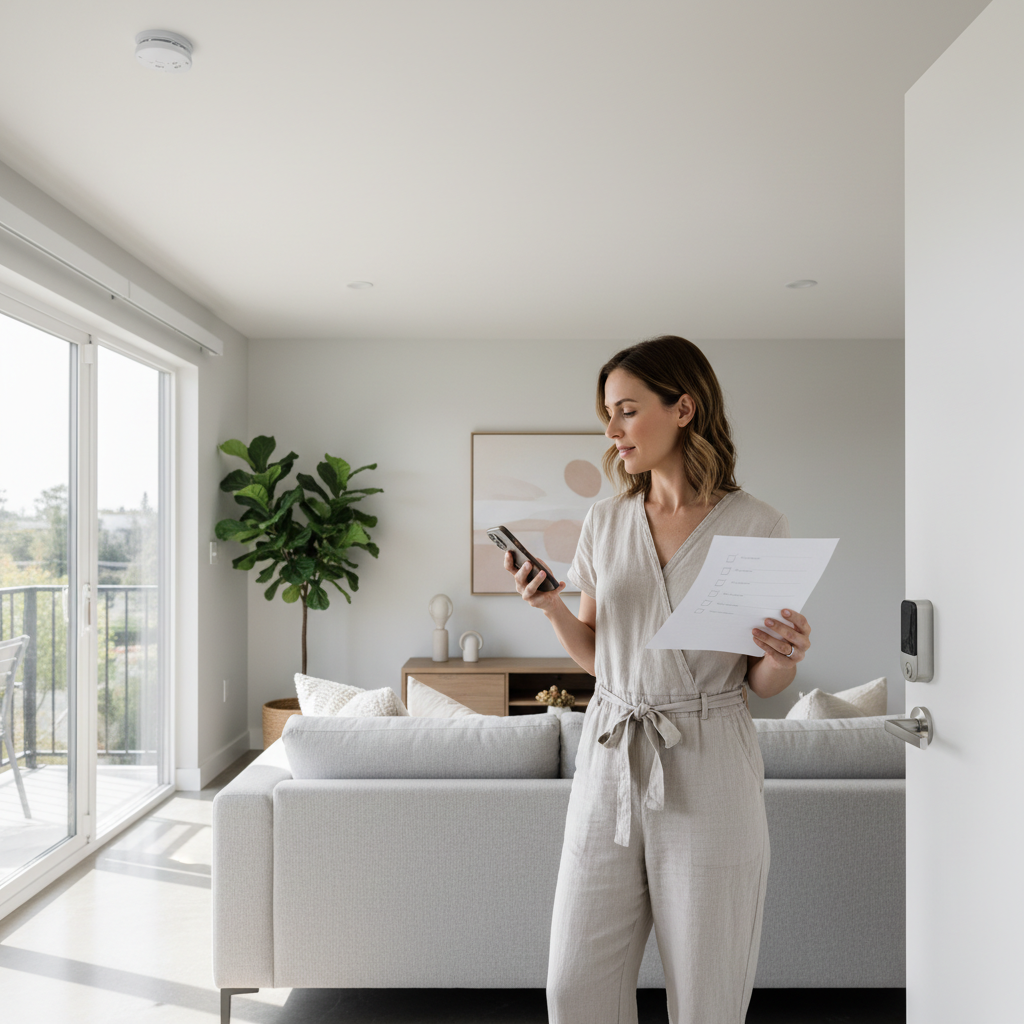
If you find a safety hazard, it’s usually smart to leave and contact the platform support for guidance. For urgent danger, local emergency services may be appropriate.
Common mistakes that lead to expensive surprises
These are the patterns that show up again and again, even with experienced travelers.
- Booking based on photos only: wide-angle lenses hide street noise, steep stairs, or tight parking.
- Ignoring “rules” because they feel negotiable: quiet hours, extra guest limits, and pet policies often trigger fees.
- Assuming “entire place” means full privacy: verify if there are shared yards, connected units, or on-site owners.
- Paying outside the platform: it’s the fastest way to lose dispute options.
- Not budgeting for taxes and fees: the cheapest nightly rate can become mid-range at checkout.
When you’re tired and trying to lock something in, it’s easy to overlook these. If you notice yourself rushing, save the listing and revisit it later with fresh eyes.
When to get extra help (and what “help” looks like)
Some trips have higher stakes: long stays, large groups, medical needs, or unfamiliar countries and neighborhoods. In those cases, extra verification is worth it.
- Long-term stays: ask about mail delivery, maintenance response time, and utility limits in writing.
- Accessibility needs: confirm step-free access, doorway widths, and bathroom setup; photos can mislead, and you may want to consult an accessibility professional for specific requirements.
- High-risk locations or seasons: ask about evacuation routes, backup power, and local advisories. According to Ready.gov, having an emergency plan is a key part of travel preparedness during severe weather.
- Complex disputes: use the platform resolution center first, and consider consumer protection resources if you believe fraud is involved.
Key takeaways you can apply on your next booking
You don’t need to overthink every rental, you just need a repeatable routine. Verify the listing’s consistency, read reviews for patterns, keep payment and messages on-platform, and do a quick check-in scan so issues don’t become your problem later.
If you want one simple action today, create a short “booking checklist” note on your phone and reuse it each trip, your future self will thank you.