
Small town travel charm is what people reach for when big-city itineraries start feeling like a checklist, parking is a battle, and every “must-see” comes with a line. If you want a trip that feels human again, small towns tend to deliver, slower mornings, local diners that remember regulars, and main streets where you can actually hear yourself think.
It’s also a smarter way to travel when time is tight. You can cover a lot in a weekend without spending half your day in transit, and you often get better value on lodging, food, and activities. That said, small towns are not all the same, some are outdoorsy, some are artsy, some revolve around history, and a few are basically one cute street and a great bakery.
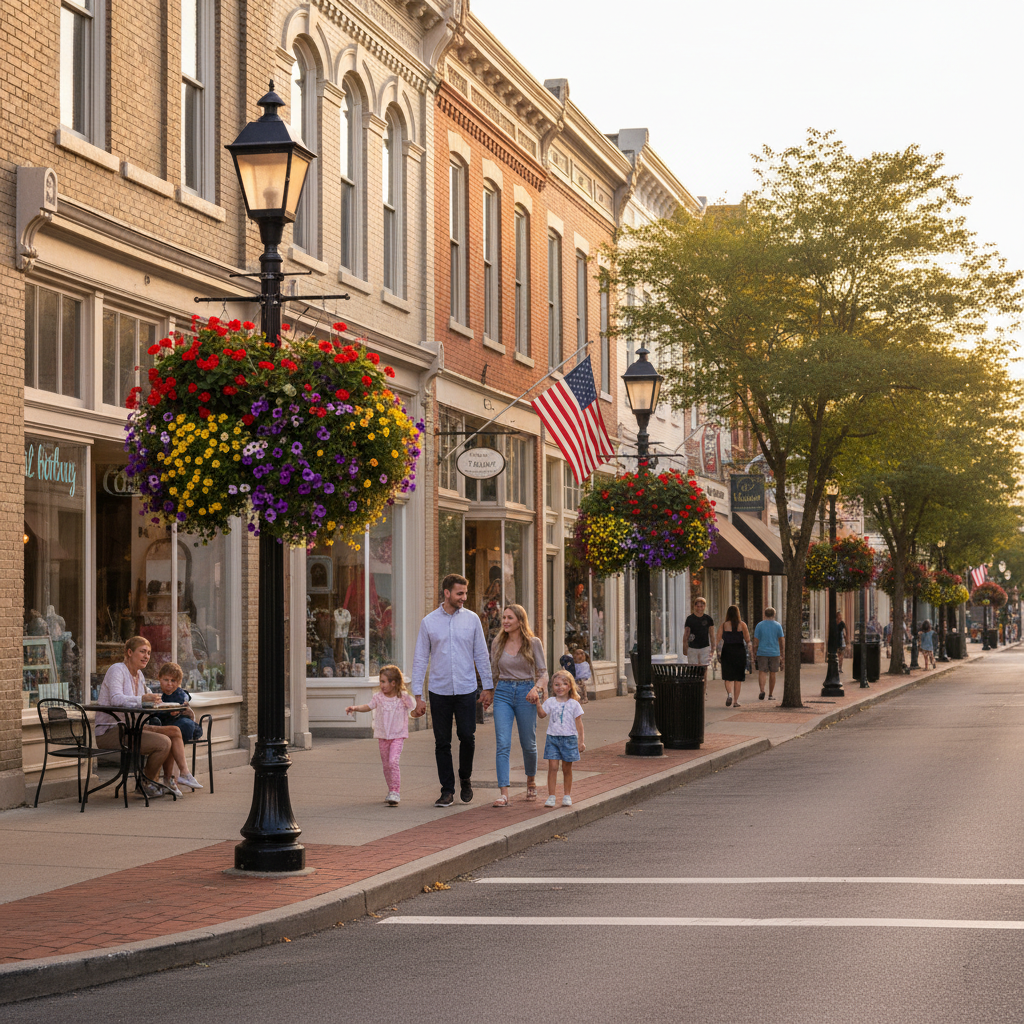
This guide helps you choose the right style of small town, build an itinerary that doesn’t feel rushed, and avoid the common traps, like arriving on the one weekday when everything closes early. You’ll also get a quick table to compare town “types,” plus a simple checklist for deciding what fits your travel mood.
What “small town charm” really means (and what it doesn’t)
In practical terms, small-town charm usually comes from three things: walkability, local ownership, and a pace that leaves room for unplanned moments. You can browse a bookstore, find a coffee place with two tables out front, then stumble into a community event you didn’t know existed.
What it doesn’t mean: zero planning. Many towns run on limited hours, seasonal schedules, and small staffs. If you assume everything stays open late, you may end up eating snacks from a gas station. This is where a tiny bit of prep pays off.
- Walkable core: a main street or waterfront area where you can park once and wander.
- Local flavor: independent restaurants, shops, galleries, farm stands.
- Lower friction: fewer reservations, shorter lines, calmer evenings.
- Seasonal personality: fall foliage, summer lake days, winter lights, spring wildflowers, depending on region.
Why small towns feel different: the real-world reasons
People talk about “vibes,” but there are concrete reasons small towns often feel more restorative. One is decision fatigue, fewer options can be freeing. Another is social texture, you’re more likely to chat with a shop owner or get a casual recommendation that actually improves your day.
There’s also the geography factor. Many beloved small towns sit near water, mountains, wine country, or national and state parks. That gives you easy “anchor activities” without building an overly complex plan.
According to National Park Service, gateway communities near parks often support visitor services like lodging, dining, and outfitters, which is why pairing a park day with a nearby town can be such an efficient trip structure.
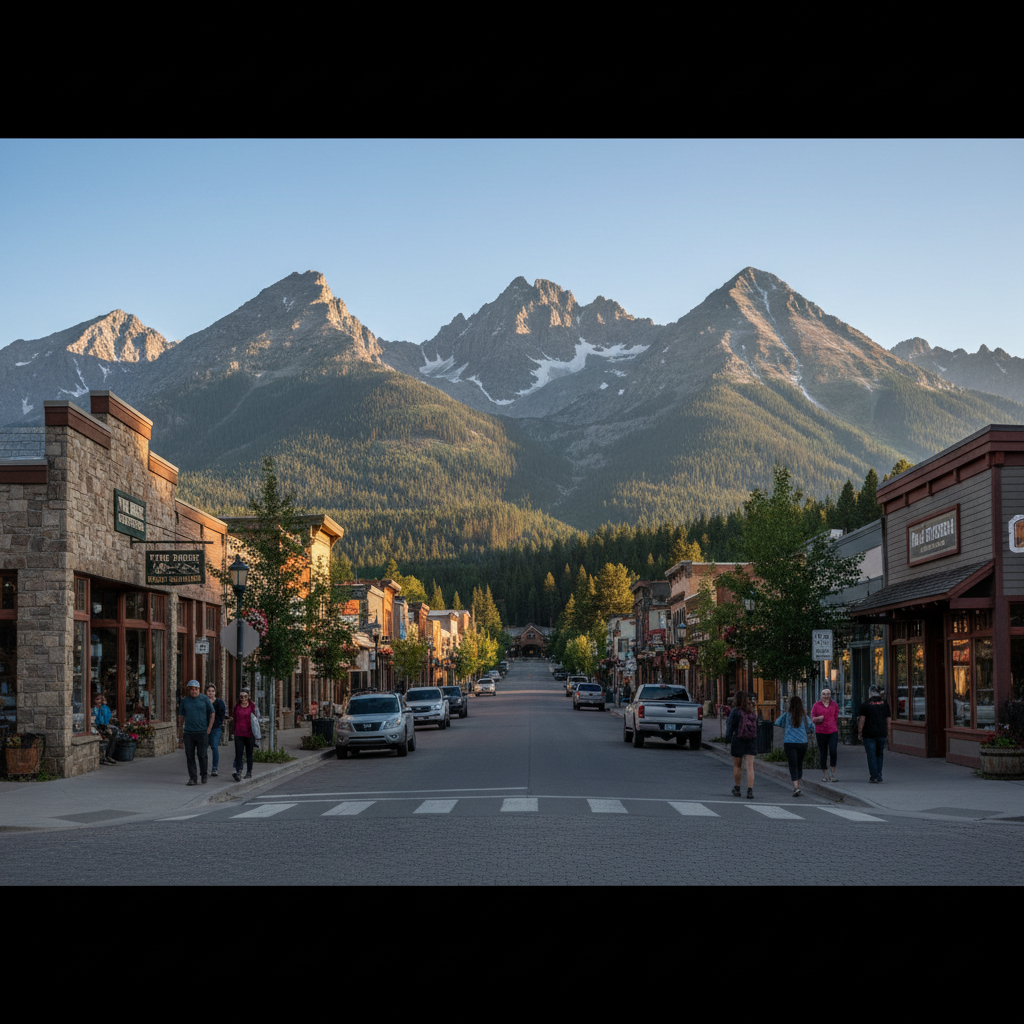
One more thing people don’t always expect: small towns can be popular. The difference is they’re “dense” in a smaller footprint, so a smart timing choice matters more than in a city where crowds spread out.
Pick your destination style: a quick comparison table
If you search “charming small town travel destinations,” you’ll get endless lists, but the better question is: what kind of town do you want? Use this table to match your weekend to your energy level.
| Small-town style | Best for | Typical highlights | Watch-outs |
|---|---|---|---|
| Historic main street | Easy strolls, architecture, museums | Courthouse squares, antique shops, local tours | Limited hours on weekdays |
| Outdoor gateway | Hikers, families, active weekends | Trails, lakes, outfitters, scenic drives | Weather swings, early starts help |
| Food and drink town | Couples, friend trips | Wineries, breweries, farm-to-table | Reservations can matter on Saturdays |
| Arts and culture pocket | Galleries, festivals, live music | Art walks, theaters, studios | Event-based, check calendars |
| Coastal or lakefront | Relaxation, water views | Boardwalks, beaches, sunsets | Summer crowds, higher lodging rates |
A simple self-checklist to choose the right town
Before you commit to a specific place, run this quick self-check. It saves you from picking a “cute” town that’s cute in photos but mismatched for how you actually travel.
- Your ideal pace: do you want a packed day, or long gaps for wandering?
- Non-negotiables: one great hike, a bookstore, a waterfront, live music, shopping.
- Mobility and walkability: do you want to park once, or are you fine driving between spots?
- Food expectations: are you okay with one standout restaurant and limited alternatives?
- Season tolerance: heat, cold, rain, bugs, snow, this changes the whole experience.
If you’re still torn, pick based on “anchor” moments: a park, a signature festival, a scenic route, or a region you’ve been meaning to understand better. That’s often where small town travel charm shows up strongest, when the town supports a bigger setting rather than trying to be everything at once.
How to plan a weekend that feels effortless (not empty)
The best small-town weekends usually have two anchors per day and plenty of space between them. Over-scheduling kills the whole point, but under-scheduling can leave you wandering at 3 p.m. realizing the antique stores closed at 2.
A Friday-to-Sunday outline you can reuse
- Friday evening: arrive, check in, one easy dinner, short walk to get oriented.
- Saturday morning: coffee plus a walkable loop, then your main activity (hike, museum, tour).
- Saturday afternoon: long lunch, browsing, a scenic drive or water time.
- Saturday night: one “special” spot (live music, tasting room, nicer dinner).
- Sunday: breakfast, one last stop (farm stand, viewpoint), head home before traffic peaks.
For lodging, location usually beats amenities in small towns. Being able to walk to breakfast or a sunset viewpoint can do more for your mood than a slightly bigger room 15 minutes away.
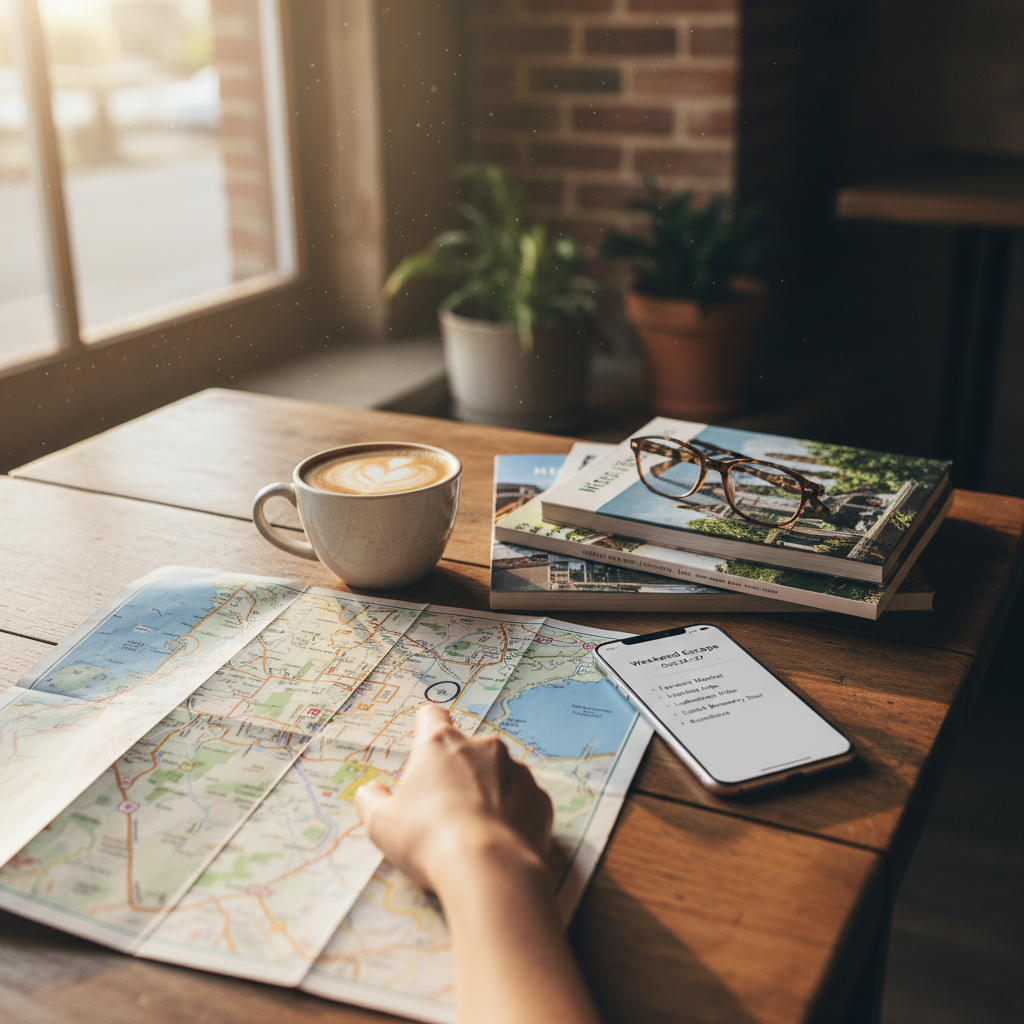
If you’re traveling in peak season, consider staying just outside the core and visiting early. It’s the same town, just less chaotic at 9 a.m. than at 1 p.m.
Practical tips to protect the charm (and your time)
Small towns reward a slightly different set of habits than big cities. A few small choices can keep your trip smooth and keep you from unintentionally burning a half-day.
- Check business hours before you drive across town: many shops close early or take midweek breaks.
- Book “one thing” ahead: a popular restaurant, a tour, or a rental, then let the rest stay flexible.
- Download maps offline: coverage can be spotty in rural areas.
- Build in weather pivots: one indoor backup (museum, gallery, bookstore) if your main plan is outdoors.
- Respect local pace: service may be slower, not worse, adjust expectations and you’ll enjoy it more.
On safety: if you’re doing outdoor activities, conditions can change quickly. Follow posted guidance, and if you’re unsure about routes, water conditions, or wildlife risk, it’s reasonable to ask a ranger, outfitter, or local guide. According to NOAA, weather alerts and changing conditions can impact travel safety, especially around coasts and storms.
Common mistakes (and what to do instead)
A lot of disappointment comes from treating a small town like a mini version of a big city. It’s not, and that’s the point. Here are the patterns that tend to trip people up.
- Mistake: arriving too late on a Sunday. Instead: make Sunday a morning-focused day, then leave after lunch.
- Mistake: chasing “the most Instagrammable” spot only. Instead: pick one signature view, then spend time where locals actually hang out.
- Mistake: driving constantly. Instead: choose a walkable base area, do one scenic drive max.
- Mistake: assuming you can wing dining. Instead: check if the town has limited seating, and reserve for Saturday night when possible.
If your goal is small town travel charm, the win condition is simple: you go home feeling like you had time, not like you “completed” the place.
Key takeaways before you book
- Match the town to your trip type, historic, outdoors, food, arts, or waterfront.
- Plan lightly but intentionally, two anchors per day is plenty.
- Hours and seasons matter, verify schedules and expect variability.
- Location beats extras for lodging when walkability is part of the appeal.
Conclusion: make it small on purpose
Small town travel charm isn’t magic, it’s the result of choosing a place where the scale matches what you want from a break. Pick a town with one strong identity, plan a couple anchors, and leave room for the parts you can’t predict, the local recommendation, the quiet trail, the bakery you didn’t research.
If you want an easy next step, choose one destination style from the table, then shortlist three towns within your driving or flight radius and compare them by walkability, hours, and what you’d do if it rains.
FAQ
What are the best times of year for charming small town trips in the U.S.?
Often it’s shoulder season, spring and fall, when weather stays comfortable and lodging prices can be calmer. Some towns are built around summer lake life or winter sports, so it depends on the region and what you want to do.
How do I find small towns that aren’t overcrowded?
Look one ring outside the most famous destination, like a secondary town near a popular park or coastline. Traveling midweek, even for one night, can change the experience more than people expect.
Is it worth renting a car for a small town vacation?
Usually yes, unless you’re visiting a town with a strong walkable core and you can arrive by train or shuttle. If the highlights are spread out, having a car reduces friction and keeps the trip relaxed.
How many days do you need to enjoy small town travel charm?
A two-night weekend is often enough to get the feeling without rushing. If the town is an outdoor gateway, adding a third night can help because hikes and scenic drives take real time.
What should I plan ahead vs. keep flexible?
Plan ahead for lodging in peak season and for one “priority” activity, like a tour or a Saturday dinner. Keep shopping, strolling, and casual cafés flexible so you can follow your mood.
Are small towns family-friendly?
Many are, especially places with parks, lakes, easy trails, or low-stress main streets. It’s still worth checking what closes early and whether there are kid-friendly dinner options if you travel with picky eaters.
How do I travel responsibly in small communities?
Be patient with service pace, follow parking rules, and treat public spaces respectfully. Spending at locally owned businesses is a simple way to support the places you enjoy visiting.
If you’re planning a weekend and want a more streamlined way to choose destinations, compare seasons, and map out a realistic two-day itinerary, a lightweight planning template or a curated list by town “type” can save time without over-planning the fun out of it.