
savanna travel safari guide planning usually goes sideways for one reason: people book a “safari” like it’s a theme park, then feel disappointed when animals don’t appear on schedule.
The good news is you can stack the odds in your favor without chasing unrealistic promises, if you understand how savanna ecosystems work, how guides track wildlife, and what your own travel style can realistically support.
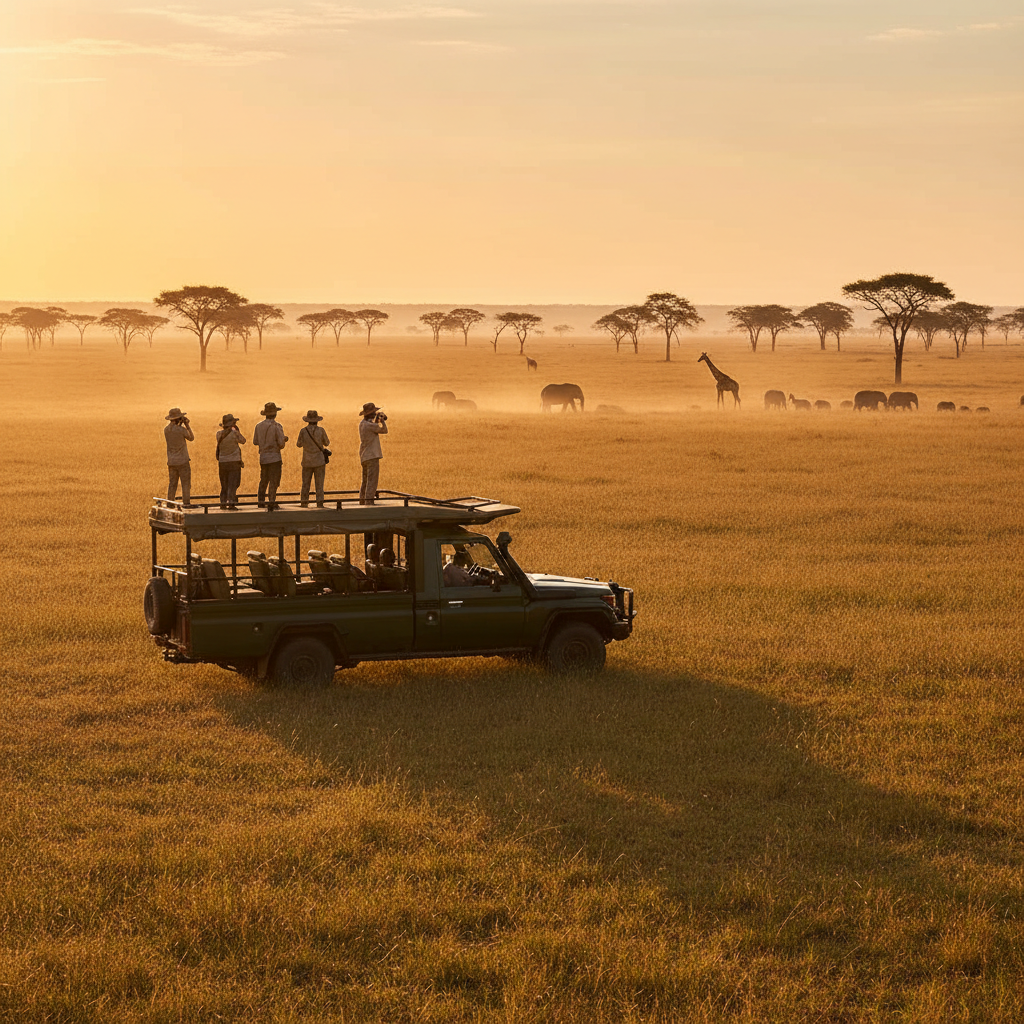
This guide focuses on what actually improves animal sightings, comfort, and safety: choosing the right park and season, picking a responsible operator, packing for dust and temperature swings, and learning a few field behaviors that keep wildlife calm.
What “savanna safari” really means (and why it matters)
“Savanna” often gets used as a catch-all for African wildlife trips, but it’s a specific kind of landscape: open grasslands with scattered trees, big skies, and animals that move with water, forage, and predator pressure.
In practice, that means your experience depends less on hotel stars and more on timing, habitat, and how much time you spend driving slowly with a skilled spotter.
- Expect movement: herds and predators shift daily, sometimes hourly.
- Expect variability: dust, heat, and bumpy roads are normal.
- Expect ethics to shape sightings: respectful distance can mean fewer “close-ups,” but better behavior and less stress for animals.
According to the U.S. National Park Service (NPS) guidance for wildlife viewing, keeping distance and not approaching wildlife reduces risk to people and animals, the principle applies even more in remote savanna settings where help may be far away.
Why you might miss animals even on a “good” safari
People blame bad luck, but patterns show up again and again. If you recognize them early, you can adjust without turning the trip into a stressful scavenger hunt.
Common reality checks
- Midday drives often feel quiet because many species rest in shade when temperatures rise.
- One-park, two-night trips can be too short, especially if weather shifts or roads limit access.
- Overcrowded sightings push animals away, and ethical guides may choose to leave rather than join a vehicle pile-up.
- Wrong expectations: “Big Five in one day” is possible, not typical, and not a fair metric for a great safari.
A more useful goal is consistent, calm viewing across multiple drives, with time to watch behavior, not just collect photos.
Quick self-check: what kind of safari traveler are you?
This is the part most people skip, then regret later. Your comfort with early mornings, long drives, and basic facilities strongly affects which itinerary will feel “worth it.”
- You’re a first-timer if you want higher predictability, shorter transfers, and a guide who explains everything.
- You’re photo-focused if you care about golden-hour light, stable camera support, and fewer people per vehicle.
- You’re budget-practical if you can tolerate longer drives and simpler lodges to maximize days in the field.
- You’re comfort-led if you need strong air conditioning, smoother roads, and flexible schedules.
Knowing your type helps you use a savanna travel safari guide to filter options, instead of reading endless park lists that don’t match your tolerance or priorities.
Choose the right season and timing for animal sightings
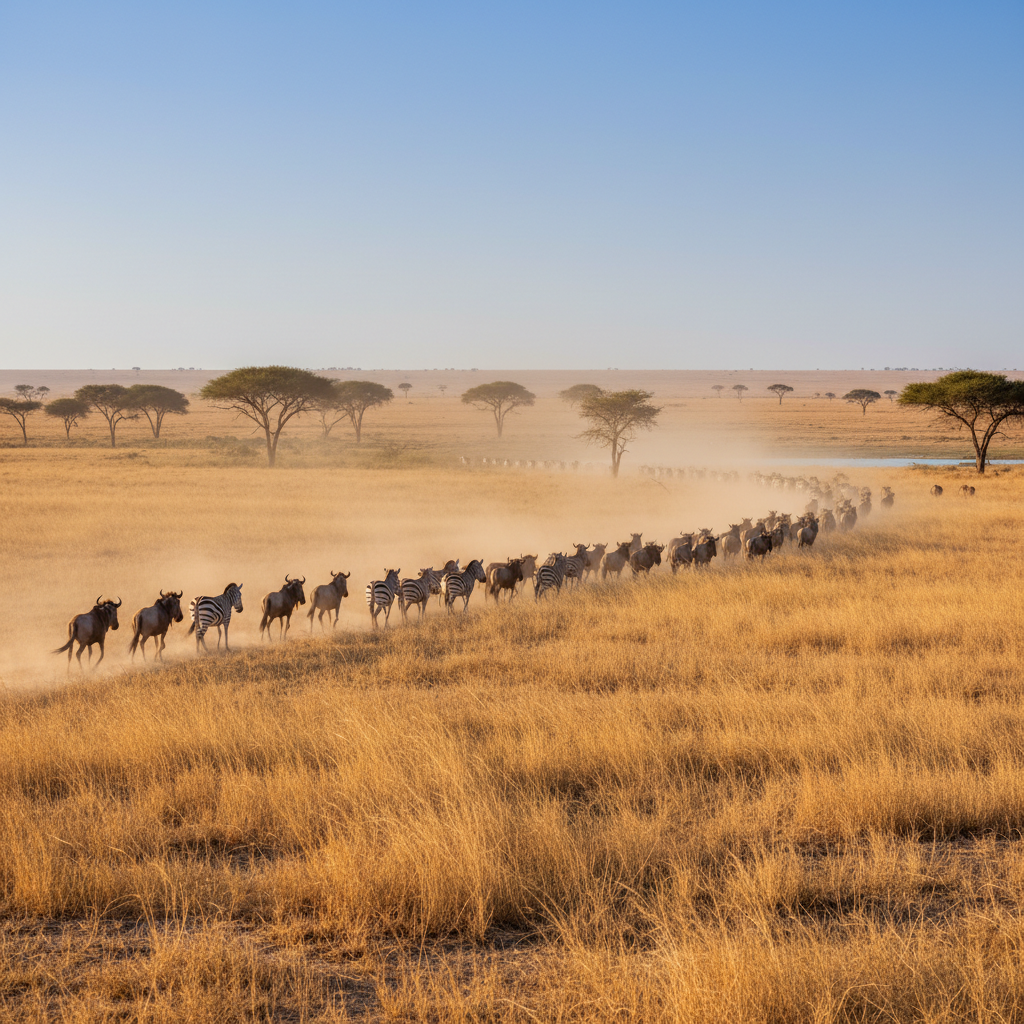
Season is one of the few levers you can control. Specific timing varies by country and park, but the same logic repeats: water and grass drive where animals congregate.
Practical timing rules that usually hold
- Dry periods often concentrate wildlife near rivers and waterholes, making tracking easier.
- Greener periods can mean dramatic landscapes and baby animals, but sightings may spread out.
- Early and late drives tend to be more active for many species, and the light is better for photos.
If you’re comparing itineraries, ask one simple question: How many game drives happen in early morning and late afternoon? That answer often predicts how “wildlife-rich” your trip feels.
Safari styles compared: game drives, walking, and mobile camps
Your itinerary format shapes what animals you see and how you experience them. Here’s a quick comparison you can screenshot and use while booking.
| Safari style | Best for | Trade-offs |
|---|---|---|
| Classic lodge-based game drives | First-timers, comfort, reliable logistics | More vehicles in popular areas, fixed base |
| Mobile camp (moving locations) | Following migrations, fewer crowds | More packing/unpacking, variable amenities |
| Walking safari (with armed ranger) | Tracks, ecology, closer understanding | Not for everyone, usually fewer “big predator” moments |
| Private vehicle / private guide | Photography, flexible pacing | Higher cost, needs a strong operator |
According to the World Wildlife Fund (WWF), responsible tourism can support conservation when it prioritizes habitat protection and local community benefit, in the safari context that usually translates to operators who respect wildlife rules and employ local expertise.
Field skills that improve sightings (without bothering wildlife)
A savanna travel safari guide is helpful, but your behavior in the vehicle matters more than people think. Small choices affect what your guide can track and how long animals stay relaxed nearby.
Do this on every drive
- Dress in muted colors to reduce visual disturbance, skip bright whites that glare in sun.
- Keep movement slow when animals are close, sudden standing and waving spooks them.
- Limit noise, even whispering carries in open vehicles on still mornings.
- Ask for “behavior time”: staying longer at one sighting often reveals more than racing to the next radio call.
Photography tips that feel “pro” without extra gear
- Prioritize shutter speed for moving animals and bumpy tracks, your guide can’t smooth the road.
- Use a small beanbag on the railing for stability, it’s often more useful than a tripod in vehicles.
- Take a few wide shots so your photos show the savanna context, not just tight portraits.
Safety, health, and ethics: the non-negotiables
Most safari risks are manageable, but only if you treat them as real. Conditions vary by destination, season, and your health history, so consider this a planning checklist, not medical advice.
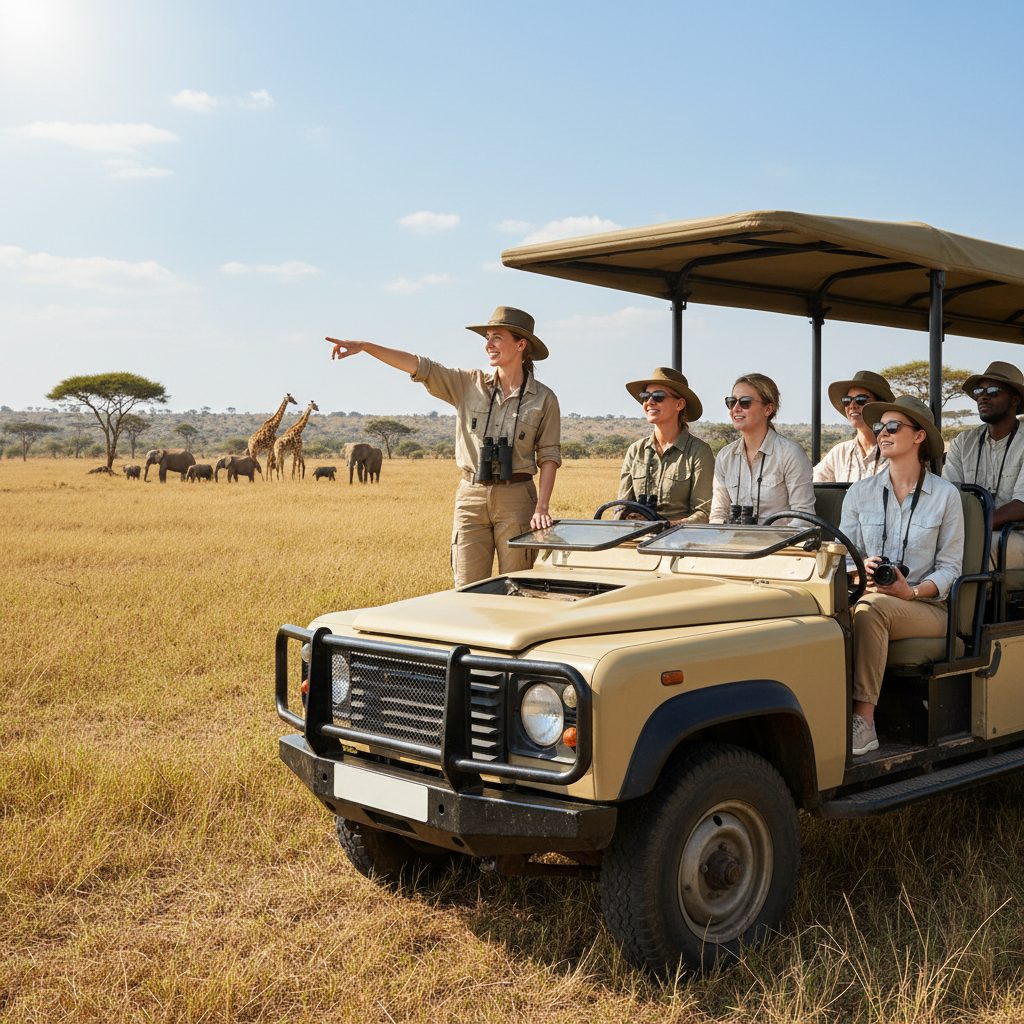
- Follow guide instructions without negotiating in the moment, if a guide says stay seated, stay seated.
- Distance matters: close approaches raise stress and can provoke defensive behavior.
- Food and trash control: never feed animals, and keep snacks secured to avoid conditioning wildlife.
- Heat and dehydration sneak up in open vehicles, bring water and electrolytes.
- Insect precautions are often relevant, especially around water, consider repellent and long sleeves.
For health preparation such as vaccines or malaria prevention, it’s smart to consult a travel medicine clinic or your clinician, recommendations depend on region and personal risk. According to the U.S. Centers for Disease Control and Prevention (CDC), travelers should review destination-specific guidance before international trips.
Booking and packing: a practical plan you can follow
If you only do one thing from this savanna travel safari guide, make it this: judge operators by transparency and daily structure, not just glossy photos.
Booking questions that reveal quality fast
- How many guests per vehicle, and do you rotate seats?
- How long are typical transfers between camps, and what’s the road like?
- Do you follow park rules on off-road driving and crowding at sightings?
- What’s included: park fees, tips guidance, drinks, laundry?
- What’s the backup plan if rain blocks a route?
Packing list that actually gets used
- Layers: mornings can be chilly, afternoons hot, especially in open vehicles.
- Dust protection: a light buff or scarf and a lens cloth go a long way.
- Binoculars: even basic ones turn “dots in grass” into real moments.
- Soft bag: many light aircraft and vehicles limit hard luggage.
- Small power kit: power bank, spare batteries, plug adapter if needed.
Key takeaways (save this before you book)
- Time of day and season influence sightings more than most luxury upgrades.
- Ethical guiding may mean fewer forced close-ups, but usually a better safari overall.
- Your travel style should drive the itinerary, not the other way around.
- Ask booking questions that reveal vehicle limits, schedule, and wildlife rules.
Conclusion: plan for the savanna you’ll actually experience
A great safari rarely feels like constant action, it feels like a series of quiet, sharp moments that add up: tracks in sand, a herd changing direction, a lion lifting its head at dusk. If you plan around timing, ethics, and realistic comfort, you give those moments room to happen.
Pick a trip with enough nights in one ecosystem, prioritize early and late drives, and choose an operator who treats wildlife viewing as stewardship, not entertainment. That combination is what usually turns a good itinerary into a memorable one.
FAQ
How long should a first savanna safari be?
Many travelers find 5–7 nights across one or two areas feels more relaxed than a fast multi-park loop, because you spend less time transferring and more time on game drives.
Is the dry season always better for animal sightings?
Dry periods often make wildlife easier to find near water, but greener months can be excellent too, especially if you value scenery, baby animals, and fewer crowds.
What animals are most realistic to see on a savanna safari?
Herbivores such as zebras, antelope, giraffes, and elephants are often common in suitable habitats, predators can be more variable, depending on tracking conditions and luck.
Do I need a private guide to get good photos?
Not necessarily. A skilled shared-vehicle guide plus good light can deliver strong results, but a private vehicle helps if you want longer at sightings and flexible positioning.
Are walking safaris safe?
They can be safe when run by licensed, experienced teams who set strict rules, but suitability depends on your fitness, comfort level, and local conditions, ask operators about their safety protocols.
What should I tip on safari?
Tipping norms vary by country and operator, so it’s better to follow the lodge or outfitter guidance and bring small denominations, especially if you’ll tip guides and camp staff separately.
How do I spot a responsible safari operator?
Look for clear wildlife-viewing rules, realistic marketing, transparent pricing, and a willingness to answer detailed questions about vehicle limits, crowding, and community benefits.
If you want a simpler way to plan
If you’re trying to match parks, seasons, and safari styles without spending weeks comparing options, it can help to use a planning checklist and a short call with a reputable operator or travel advisor who specializes in the region, you’ll usually get clearer expectations and fewer surprises once you’re on the ground.