
Beach bag travel waterproof sounds like a mouthful, but it describes a real problem: you pack for a beach day or a quick trip, and one splash turns snacks, sunscreen, and electronics into a mess.
Most “beach bags” fail in predictable ways, weak zippers, fabric that resists drizzle but not wet towels, and no system for separating damp from dry. The fix is not buying the biggest tote, it’s choosing the right waterproofing level and layout for how you actually travel.
This guide breaks down what waterproof really means, how to size a bag for essentials, and a simple checklist for picking a bag that survives sand, saltwater, and airport chaos without feeling overbuilt.
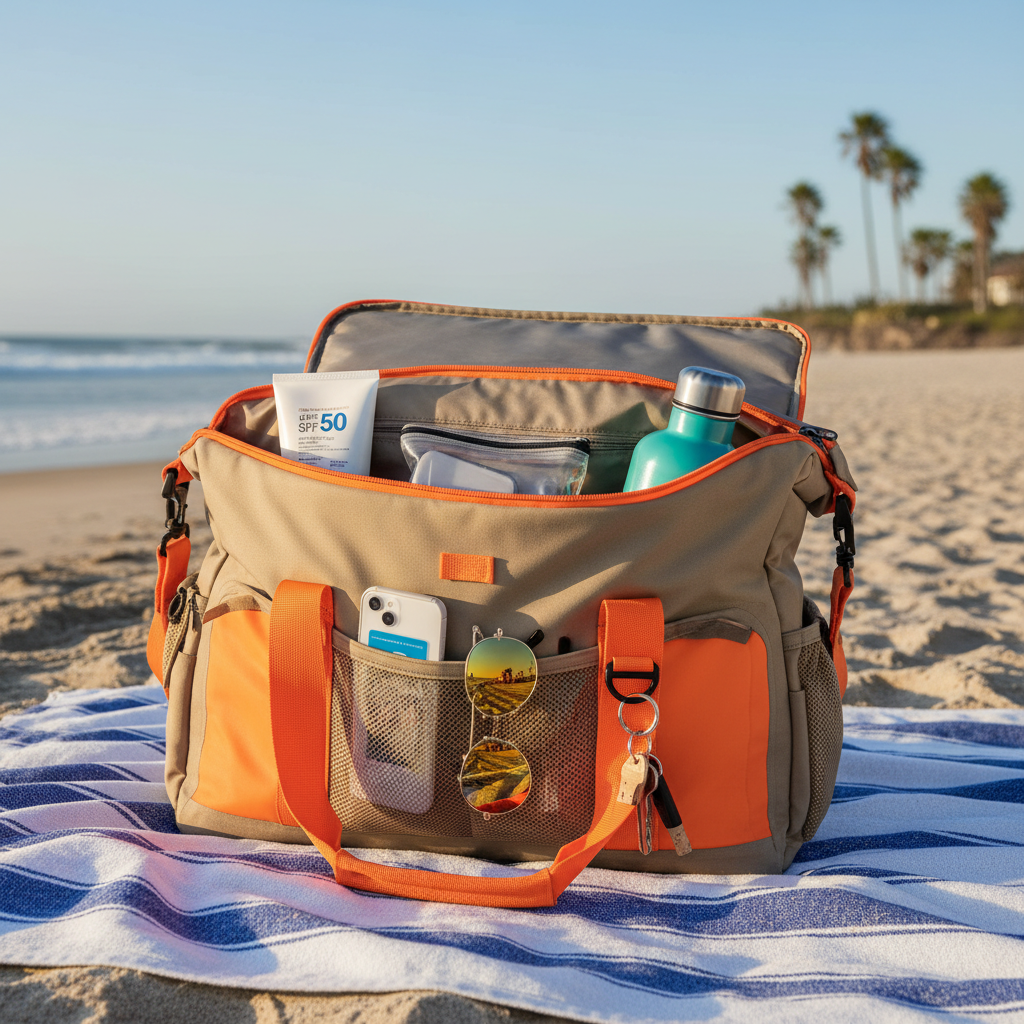
What “waterproof” really means for a beach travel bag
Not every “waterproof” label protects you from the same situations. A bag that handles wet swimsuits can still fail if it sits in a puddle near a beach shower or gets hit by a wave.
- Water-resistant: Handles light splashes, damp hands, and quick wipe-downs, but seams and zippers may leak.
- Waterproof (fabric only): Material blocks water, yet stitched seams and standard zippers can still let moisture in.
- Waterproof construction: Sealed seams plus waterproof zipper or roll-top closure, closer to “dry bag” performance.
For most people, the sweet spot is a travel-friendly tote or backpack with a waterproof exterior, a protected pocket for valuables, and at least one truly sealed compartment for electronics or documents.
Why beach bags fail on trips (and what that looks like in real life)
Failures usually come down to friction points you only notice mid-trip. Sand gets into zipper coils, wet towels sit against your wallet, or the bottom panel absorbs water during a boardwalk lunch stop.
- Top closure gaps: Open totes invite windblown sand and accidental spills in cars or rideshares.
- Unprotected zippers: Salt and sand grind away, then the zipper stops sealing or breaks.
- No wet/dry separation: One damp item turns into a chain reaction, especially with snacks, paper receipts, or earbuds.
- Floppy structure: Bag collapses, items stack, sunscreen pops open, sunglasses get crushed.
- Shoulder carry only: Fine for a short walk, annoying for travel days with luggage, strollers, or kids.
If your goal is beach bag travel waterproof performance, you’re really optimizing for containment: moisture stays in one zone, valuables stay protected, and the bag stays comfortable when you’re moving.
Quick self-check: what kind of waterproof beach travel do you need?
Pick the scenario that sounds most like you, it will steer you toward the right materials and features without overbuying.
- Pool + hotel: Water-resistant outer, easy-clean lining, decent zipper, one wet pocket.
- Beach day + car: Reinforced bottom, sand-shedding fabric, secure top closure, washable interior.
- Boat day: Sealed seams and a roll-top or waterproof zipper, plus a tether point for keys.
- Air travel + beach: Under-seat friendly size, luggage sleeve, separate dry valuables pocket, lightweight.
- Kids + beach: Extra volume, quick-grab organization, wipe-clean materials, hands-free carry option.
According to NOAA, rip currents and surf conditions can change quickly; if you’re near open water, it’s smart to plan for sudden splashes and set your bag above the high-water line when possible.
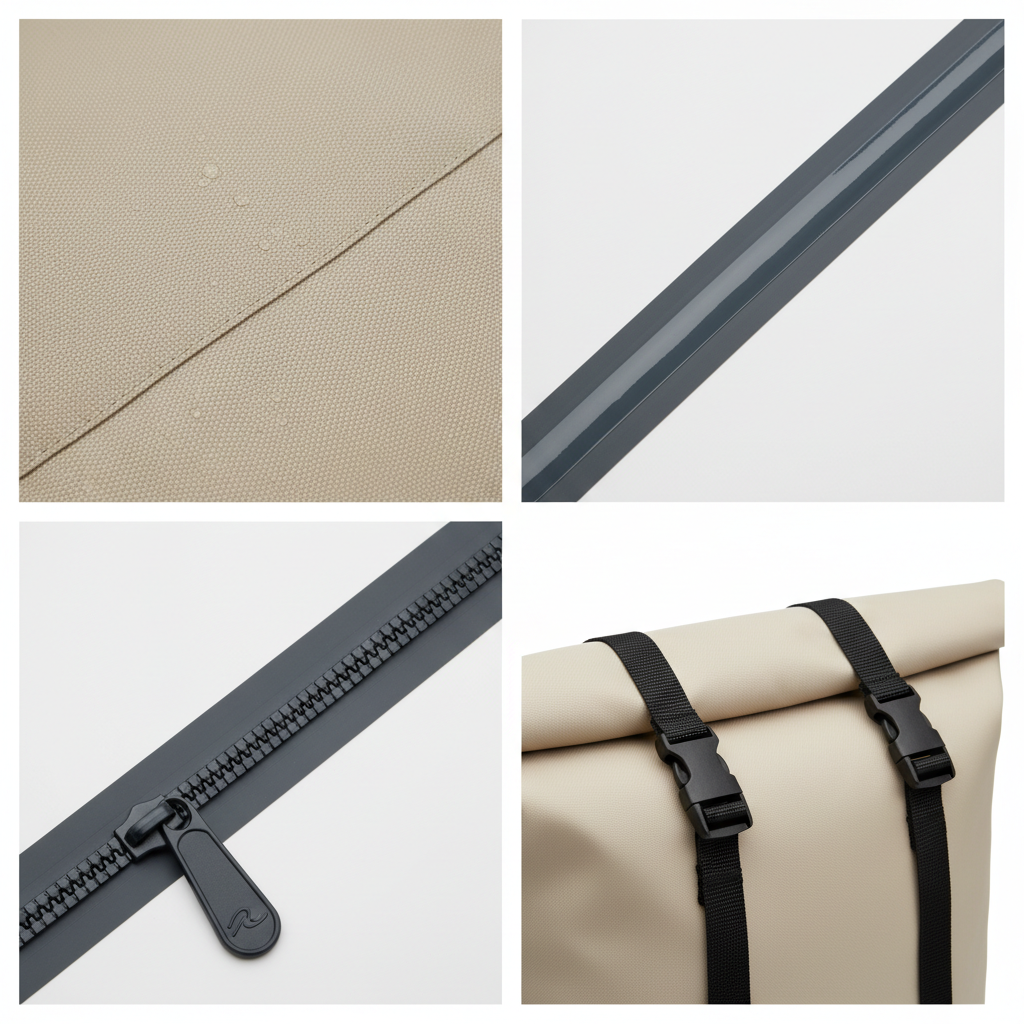
What to look for: features that actually matter
Marketing loves big claims, but a few features do most of the work. If you focus here, you usually end up with a bag that travels well and still feels like a beach bag.
Materials and build
- Coated nylon, TPU, or PVC: Easier to wipe, less likely to soak through than canvas.
- Reinforced base: Helps when setting the bag on wet sand, docks, or pool decks.
- Seam construction: If you truly need waterproofing, look for sealed or welded seams.
Closures and compartments
- Roll-top or waterproof zipper: Best protection for valuables, also reduces sand intrusion.
- Wet pocket: A dedicated compartment for swimsuit or towel stops cross-contamination.
- External rinse-safe pocket: Useful for sandals, shell bags, or items you don’t mind getting damp.
Carry and travel convenience
- Hands-free option: Backpack straps or crossbody strap makes a difference on travel days.
- Luggage pass-through: If you fly, this is more useful than extra pockets.
- Weight when empty: Waterproof materials can be heavier; keep it reasonable if you walk a lot.
Essentials packing list (with a simple wet/dry system)
The best packing move is separating “must stay dry” from “can be damp.” It keeps you calm when the bag inevitably gets splashed.
- Must stay dry: phone, wallet, car key fob, passport/ID, meds, earbuds
- Okay if damp: towel, swimsuit, cover-up, flip-flops
- Leak risks: sunscreen, bug spray, hand sanitizer, snacks/drinks
Practical tip: put leak risks in a small zip pouch even if the bag is waterproof. Waterproofing handles water from outside; it does not magically stop a sunscreen cap that pops open.
Choose the right bag size: a quick table
Size is where people overcorrect. Too small forces bad organization; too big becomes a junk drawer that’s heavy and harder to keep dry.
| Use case | Typical capacity | What it comfortably fits | Waterproofing level to prioritize |
|---|---|---|---|
| Solo beach + essentials | 12–20L | towel, sunscreen, bottle, small pouch, sunglasses | Water-resistant body + sealed valuables pocket |
| Couple or long day | 20–30L | 2 towels, snacks, light layer, wet pocket, small tech | Stronger closure, reinforced base |
| Family beach day | 30–45L | multiple towels, toys, extra clothes, bigger wet zone | Durable materials + easy-clean interior |
| Boat / high-splash | 15–30L | dry pouch setup, layers, small towel | Sealed seams + roll-top or waterproof zipper |
If your goal is beach bag travel waterproof reliability, it’s usually smarter to buy slightly smaller and add one internal dry pouch than to buy huge and hope the bag “handles it.”
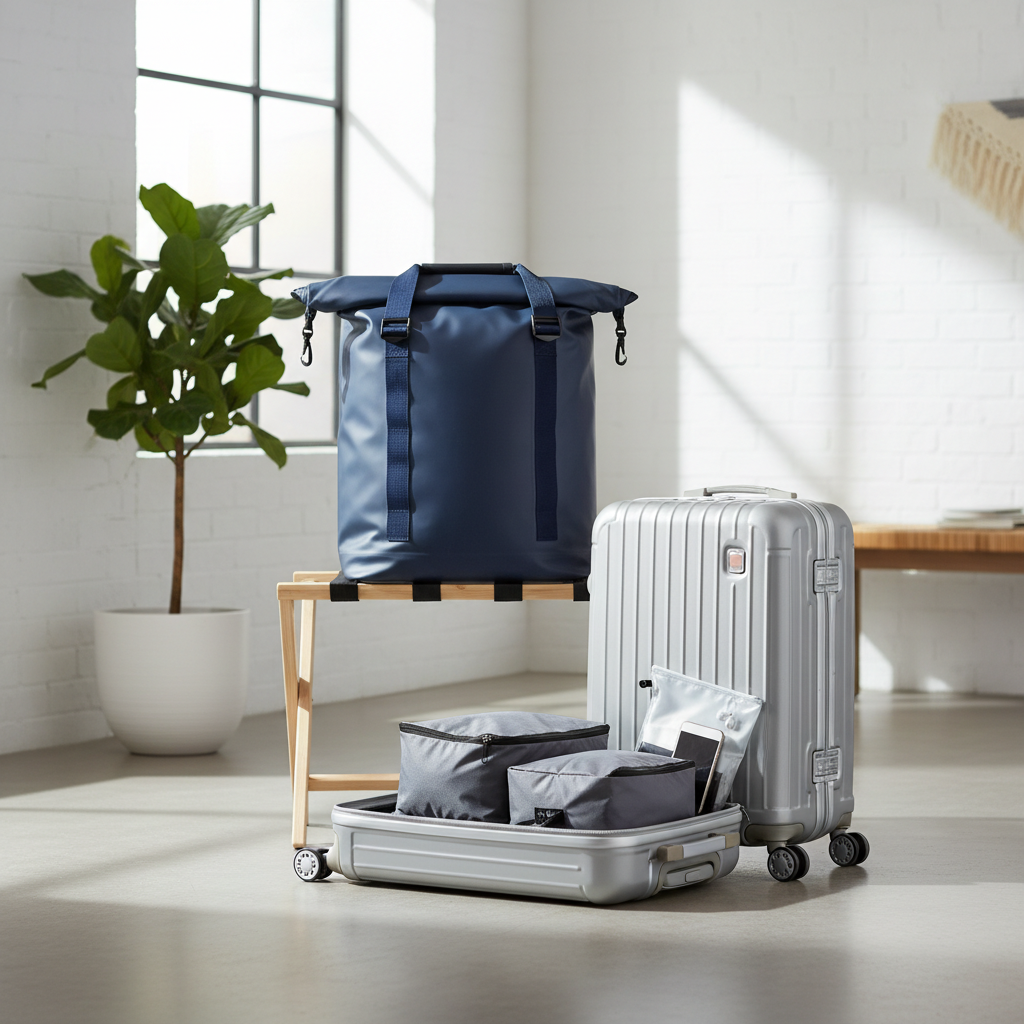
How to use your bag on the day: a practical routine
Even a great bag fails when it’s used like a bottomless tote. A simple routine keeps the “waterproof” benefit real.
- Before you leave: put valuables in a sealed pocket or dry pouch, then place that pouch higher than towels.
- At the beach: keep zipper/roll-top closed between grabs, sand gets in during “just a second.”
- After swimming: wet items go straight into the wet pocket or a separate sack, not loose in the main compartment.
- On the ride back: stand the bag upright if possible, horizontal placement encourages leaks to spread.
- At home/hotel: rinse exterior if it’s salty, then air-dry fully with compartments open.
According to CDC, sunscreen helps prevent sunburn and reduces skin cancer risk. If you carry sunscreen all day, double-check caps and consider a small pouch so spills do not coat everything you touch later.
Common mistakes (they’re fixable)
- Assuming “waterproof” means sink-proof: Few bags are meant to be submerged for long; if you need that, look at true dry bags.
- Skipping a dry pouch for electronics: In many situations, a pouch is the cheapest insurance you can add.
- Overpacking: Stuffed bags strain seams and zippers, then water finds a way in.
- Ignoring sand management: Shake out pockets, rinse zipper tracks when possible, sand shortens lifespan fast.
- Storing wet overnight: Odor and mildew become the next problem, even if the bag is “waterproof.”
When to consider a more specialized option
A standard beach tote with smart organization works for most trips, but some situations justify upgrading.
- Frequent boating, kayaking, or paddleboarding: Consider a roll-top dry bag or a hybrid backpack with sealed seams.
- Medical items that must stay dry: Use a dedicated waterproof inner case and consider asking a medical professional for handling guidance, especially for temperature-sensitive meds.
- Traveling with documents: Add a waterproof document sleeve, because “waterproof bag” does not always mean waterproof paper pocket.
There’s no shame in using a two-layer approach: a durable beach travel bag for comfort and organization, plus a smaller sealed insert for the truly critical items.
Key takeaways
- Waterproofing levels vary, so match the bag to your splash risk, not just the label.
- Wet/dry separation solves more problems than extra pockets.
- Sealed storage for valuables matters more than huge capacity.
- Routine beats gear, keep it closed, keep wet items contained, rinse after salt exposure.
Conclusion: pick a bag that stays calm when the day gets messy
A good beach setup is the one that keeps you from thinking about your stuff every five minutes. If you choose a bag based on your real travel pattern, and you build in one reliable dry zone, you get the practical version of beach bag travel waterproof without carrying something bulky.
Your next step is simple: decide whether you need true sealed waterproofing or just smart water resistance, then use the checklist above to narrow it to two or three options you’d actually enjoy carrying.
FAQ
What is the difference between a waterproof beach bag and a dry bag?
A dry bag is typically designed to keep contents dry even in heavy splashes and brief submersion, usually with a roll-top closure and welded seams. Many beach bags are “waterproof-ish” on fabric but not fully sealed at seams and zippers.
Can I put my phone directly in a waterproof beach travel bag?
You can, but many people still use a small dry pouch because zippers and seams are common leak points. It’s a simple backup that also helps with organization.
What material is best for sand and saltwater?
Coated nylon or TPU-style materials tend to wipe clean more easily than canvas. Saltwater can still be tough on hardware, so rinsing and drying after use helps the bag last longer.
How do I keep wet swimsuits from making everything smell?
Use a wet pocket or a separate waterproof sack, then air-dry the bag fully with compartments open. If you have to store wet items temporarily, keeping them separated reduces the “everything smells like a locker room” effect.
Is a zipper-top tote enough for a beach trip?
Often yes for casual beach days, especially if the fabric is water-resistant and you add an internal pouch for valuables. If you expect waves, boat spray, or frequent dunking, you may want sealed closures.
What size should I get if I fly and also want beach use?
Many travelers prefer a mid-size bag that fits under the seat and has a luggage pass-through. Bigger bags can work, but they’re easier to overpack and harder to keep organized in airports.
How do I clean a waterproof beach bag without ruining it?
In many cases, mild soap and water with a soft cloth works, then air-dry out of direct heat. If the bag has special coatings, check the care tag because harsh cleaners can reduce water resistance.
If you’re trying to make beach days and travel days feel less chaotic, focus on one bag that handles wet gear, protects valuables, and still carries comfortably, it’s usually the most noticeable upgrade you can make without changing your whole packing style.