
Botanical park travel spots are one of the easiest ways to get a “nature reset” without needing backcountry skills, but picking the right garden (and the right day) makes the difference between a peaceful stroll and a crowded, sunburned loop with nowhere to sit.
If you’re traveling in the U.S., you’ll notice botanical gardens vary a lot: some focus on conservation and native ecosystems, others are designed for seasonal flower shows, and some feel closer to an outdoor museum with curated collections, greenhouses, and rotating exhibits. Knowing what you want helps you choose faster.
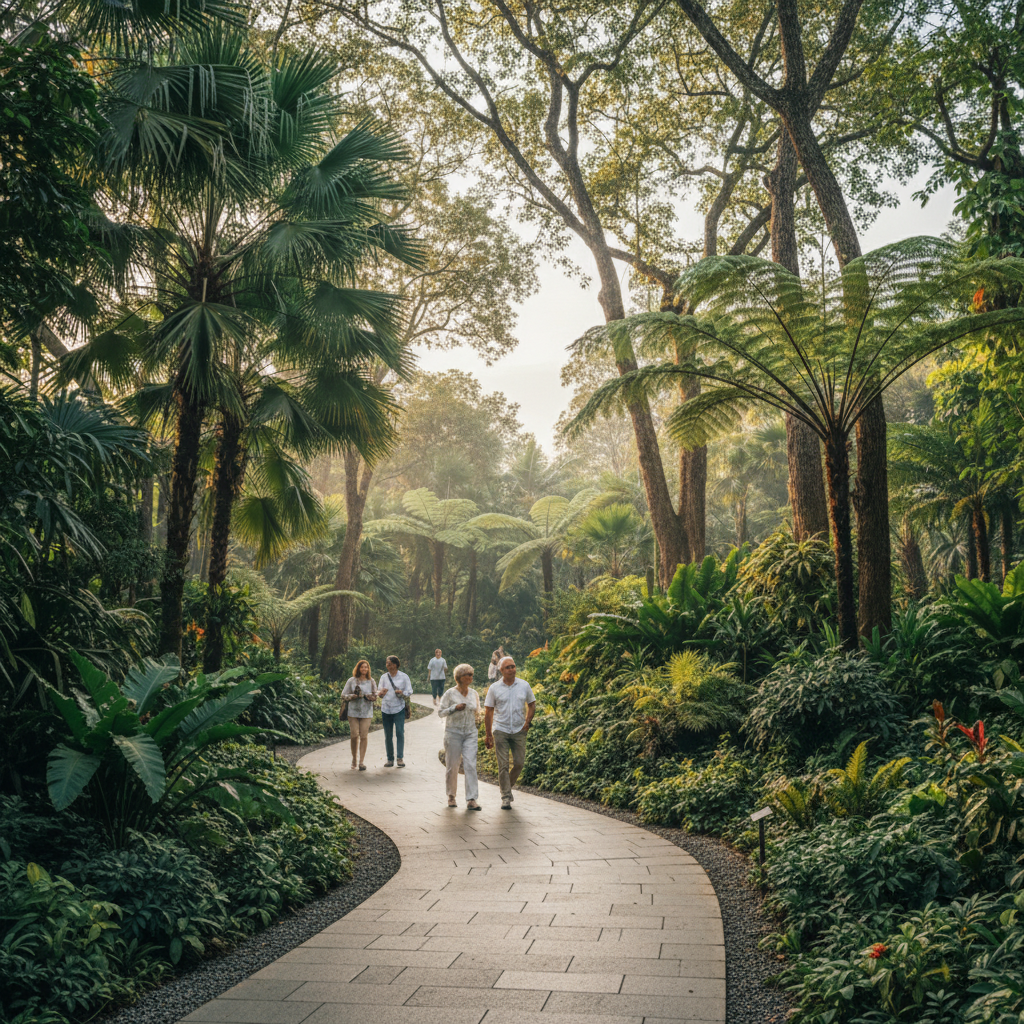
This guide keeps it practical: what to look for, how to avoid common planning mistakes, a quick self-check to match a garden to your travel style, and a simple day plan you can reuse in almost any city.
Why botanical gardens make great travel stops (and why some disappoint)
Most people search for botanical park travel spots because they want greenery, photos, and a low-stress activity. That’s fair, but gardens can feel wildly different depending on layout, season, and crowd patterns.
- Seasonality is everything: spring blooms and fall foliage can be stunning, while midsummer might mean fewer flowers and more heat, unless the garden is strong on shade trees or conservatories.
- Collection vs. landscape: some places are about labeled plant collections (great if you like learning), others are about scenery (great if you just want to wander).
- Crowds change the vibe: weekends, festival days, and peak bloom periods can turn quiet paths into slow-moving lines.
- Microclimates matter: coastal fog gardens, desert gardens, and tropical conservatories each deliver a different “green” experience.
According to the United States Botanic Garden, botanical gardens often support plant conservation and education through living collections and public programs, so you’re not only buying a pretty walk, you’re often supporting stewardship work too.
Quick self-check: which type of botanical park fits your trip?
Before you pick from a list, decide what “good” looks like for you. Two minutes here can save you a half-day of mismatch.
- You want iconic photos: prioritize gardens with signature features like glass conservatories, rose gardens, or skyline views.
- You want quiet: look for larger acreage, early opening hours, and weekday availability, membership hours can help in some cases.
- You travel with kids: check for children’s gardens, interactive exhibits, wide paths, and stroller-friendly routes.
- You want shade and comfort: prioritize arboretums, mature tree canopy, indoor houses, and plenty of benches.
- You love plant nerd details: pick places with labeled collections, docent tours, and specialty houses like orchids, cacti, or carnivorous plants.
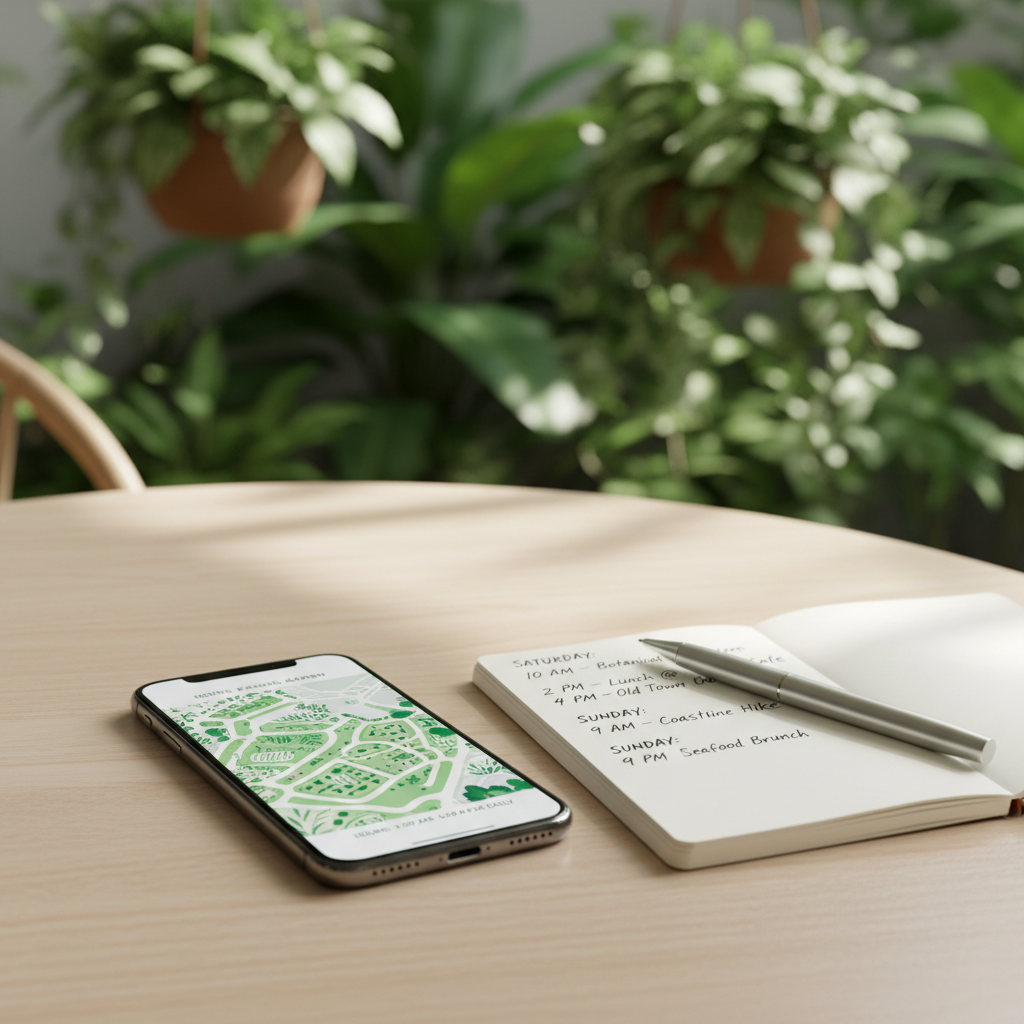
If you’re unsure, pick a garden that has both outdoor trails and at least one conservatory or indoor exhibit, it gives you a weather backup without feeling like you’re stuck inside.
How to evaluate botanical park travel spots before you go
Most disappointment comes from missing small details: parking, shade, event closures, or the fact that the “must-see” area is a steep walk from the entrance. Here’s what to check quickly.
Look for these details on the official site
- Bloom calendar or seasonal highlights: even a short note like “peak azaleas in April” helps you set expectations.
- Timed entry or special exhibit tickets: popular conservatories can sell out earlier than you expect.
- Accessibility notes: path grades, tram availability, wheelchair rentals, and quiet spaces.
- Food and water options: a small cafe can save you from leaving mid-visit and losing parking.
- Rules that affect your day: tripods, picnics, drones, and professional photo permits vary a lot.
A simple comparison table (use it like a checklist)
| What you care about | What to look for | Good sign |
|---|---|---|
| Greenery all year | Conservatory, evergreen collections | Multiple indoor houses + shaded outdoor loops |
| Low crowds | Entry system, acreage, hours | Weekday morning availability, large grounds |
| Great photos | Signature structures, viewpoints | Glasshouse, water features, curated seasonal displays |
| Easy visit | Parking, transit access, clear maps | One main entrance + loop trails + frequent signage |
| Learning-focused | Labels, tours, exhibits | Docent tours and strong interpretive signage |
When you’re comparing multiple botanical park travel spots in one region, this table helps you stop guessing and start choosing based on what you actually value.
Go-to U.S. botanical garden picks by travel style (not a “top 10”)
Instead of ranking, here are reliable picks people often enjoy, grouped by what they’re good at. Availability, exhibits, and seasonal closures can change, so it’s still worth checking each official calendar.
- Big-city, easy logistics: United States Botanic Garden (Washington, DC) for a high-impact visit in a compact footprint, great if you’re on a tight schedule.
- Design and art vibes: The New York Botanical Garden (Bronx, NY) often pairs strong collections with major seasonal events and exhibitions.
- West Coast variety: San Francisco Botanical Garden (San Francisco, CA) is known for cool-climate plant diversity and a more “walk and breathe” pace.
- Desert greens done right: Desert Botanical Garden (Phoenix, AZ) for cacti, succulents, and desert wildflowers, go early when heat is a factor.
- Historic estate feel: Longwood Gardens (Kennett Square, PA) if you want manicured grounds, conservatories, and evening events.
- Southern showcase: Atlanta Botanical Garden (Atlanta, GA) for strong seasonal displays and a polished visitor experience.
If you’re building a trip around botanical park travel spots, mix one “signature” garden with one smaller local garden or arboretum, you get variety without garden fatigue.
Practical itinerary: a calm 2–4 hour botanical garden visit
This is the repeatable plan that works in most gardens, and it keeps your energy from spiking early and crashing later.
- First 20 minutes: check the map, identify a loop, and note bathrooms and water fountains.
- Next 60–90 minutes: do the outdoor loop while you feel fresh, take photos early before crowds build.
- Mid-visit reset: sit, snack, hydrate, this is where many visits quietly improve.
- Final hour: conservatory, specialty house, or the “curated” area near the entrance gift shop, then leave before you start rushing.
Key takeaway: if you only have one hour, skip the full loop and choose one highlight area plus one greenhouse, you’ll remember it more than speed-walking everything.
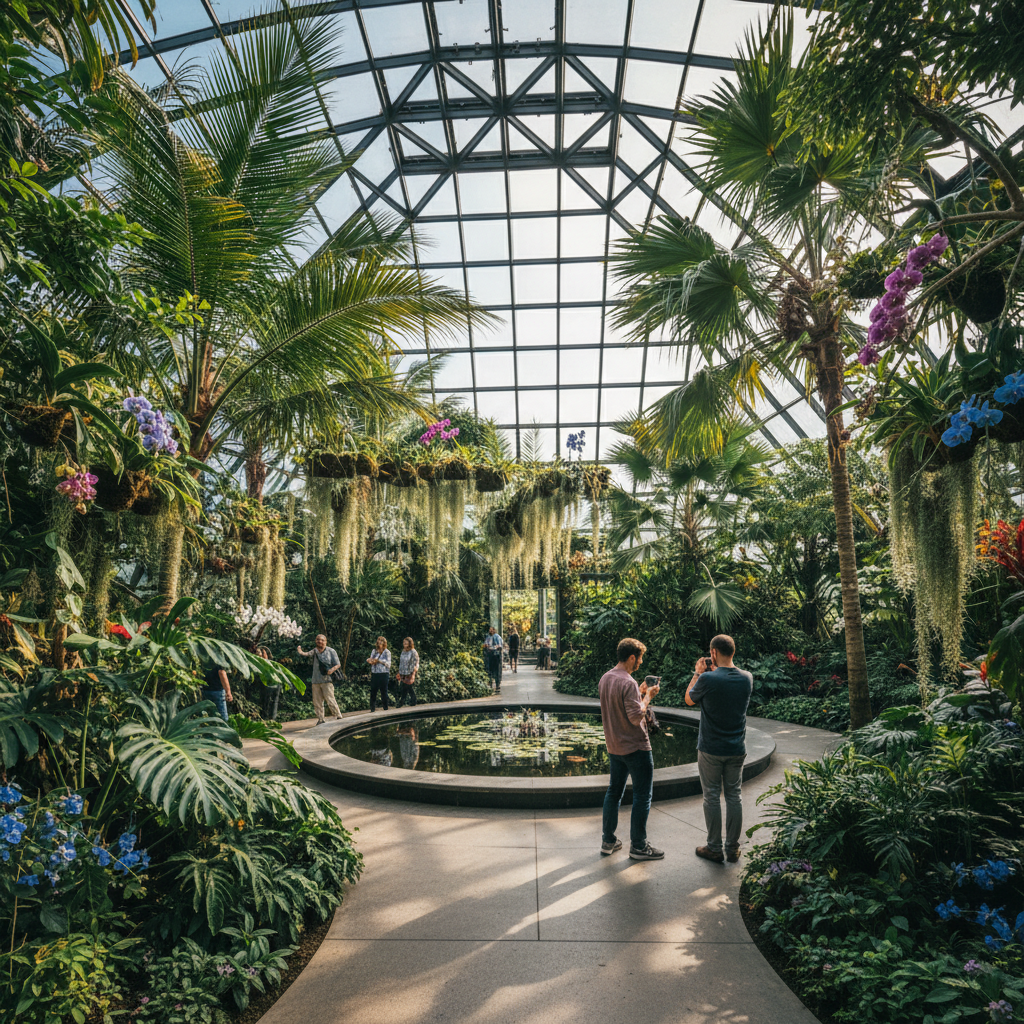
According to the National Park Service, staying hydrated and planning for heat exposure are common-sense steps for outdoor recreation, and gardens can still be deceptively sunny, especially in open display beds.
Mistakes that make gardens feel “meh” (and what to do instead)
Some mistakes are small but have outsized impact on comfort and mood, and comfort is half the experience in a garden.
- Arriving at peak noon: go early or later afternoon for better light, cooler temps, and calmer paths.
- Ignoring event days: festivals can be fun, but if you want quiet greenery, pick non-event dates.
- Underestimating walking: many gardens feel flat on the map but involve long loops, bring comfortable shoes and a light layer.
- Chasing every “must-see”: choose 2–3 highlights, let the rest be wandering time.
- Not checking photography rules: some gardens require permits for professional shoots, even if you’re not using a big setup.
If mobility, sensory sensitivity, or medical needs are part of your planning, it’s smart to check accessibility pages and, in complex cases, consider asking a healthcare professional for personalized guidance.
When it’s worth getting extra help (or paying for the upgrade)
Most visits are simple, but a few situations benefit from a little extra planning or support.
- You’re traveling with a group: guided tours can prevent slow decision-making and keep everyone engaged.
- You have limited time: consider priority tickets, trams, or reserving special exhibits in advance.
- You’re planning a proposal or formal shoot: ask about permits and best low-crowd time windows.
- You’re combining multiple botanical park travel spots: a local travel planner can help cluster locations by neighborhood and transit reality, not just map distance.
According to the American Public Gardens Association, public gardens often offer education and community programs, and many have member benefits that can be useful if you’ll visit multiple times in a year.
Conclusion: pick for your pace, not just the prettiest photos
The best botanical park travel spots are the ones that match your energy and your schedule, a smaller garden at the right time can beat a famous one when you’re rushed or overheated.
If you want a simple next step, choose one garden, check its seasonal highlight page, and plan a two-hour loop with a built-in sit-down break, you’ll walk out feeling like the visit actually did what you hoped it would do.
FAQ
- What should I wear to botanical gardens when traveling?
Comfortable walking shoes and a light layer usually cover most situations, and sun protection helps even on cloudy days, since reflective surfaces and open beds can still feel bright. - How do I find botanical park travel spots near my hotel?
Search the city name plus “botanical garden” and confirm on the official website, then double-check transit and parking, because “close” on a map can still mean slow traffic or limited entry windows. - Are botanical gardens worth it in winter?
Often yes, especially if there’s a conservatory or winter exhibit, outdoor beds may be sparse, but evergreen sections, bark texture, and greenhouse humidity can make winter visits surprisingly pleasant. - What’s the best time of day for photos in a botanical garden?
Morning is usually easiest for soft light and fewer people, late afternoon can also look great, midday sun tends to create harsh shadows unless you’re in a conservatory. - Do I need to buy tickets ahead for botanical gardens?
Many popular gardens use timed entry or sell out for special shows, if your trip date is fixed, booking ahead reduces stress, but smaller gardens may still offer walk-up entry. - Can I bring food into a botanical garden?
Rules vary, some allow picnics in designated areas, others restrict outside food, checking the garden’s visitor guidelines saves you from carrying snacks you can’t use. - How do I plan a day with multiple botanical park travel spots?
Pair one large “anchor” garden with one smaller greenhouse or arboretum nearby, and leave buffer time, gardens look close but walking time and parking can quietly stretch the day.
If you’re building an itinerary around botanical park travel spots and want it to feel easy instead of overplanned, a lightweight route plan with timing, transit, and seasonal notes can help, especially when you’re balancing museums, food reservations, and family preferences.