
Palm forest travel guide planning usually looks easy until you start juggling heat, sudden rain, bugs, park rules, and the simple question of “what can I actually do there?” This guide cuts through that, so you can pick the right palm forest, pack smart, and avoid the classic tropical trip frustrations.
What makes palm forests special is also what trips people up: they can feel like a manicured botanical paradise or a wild, humid ecosystem with real safety considerations, depending on where you go. A little prep changes the whole experience, especially for day hikes, photography stops, and family travel.
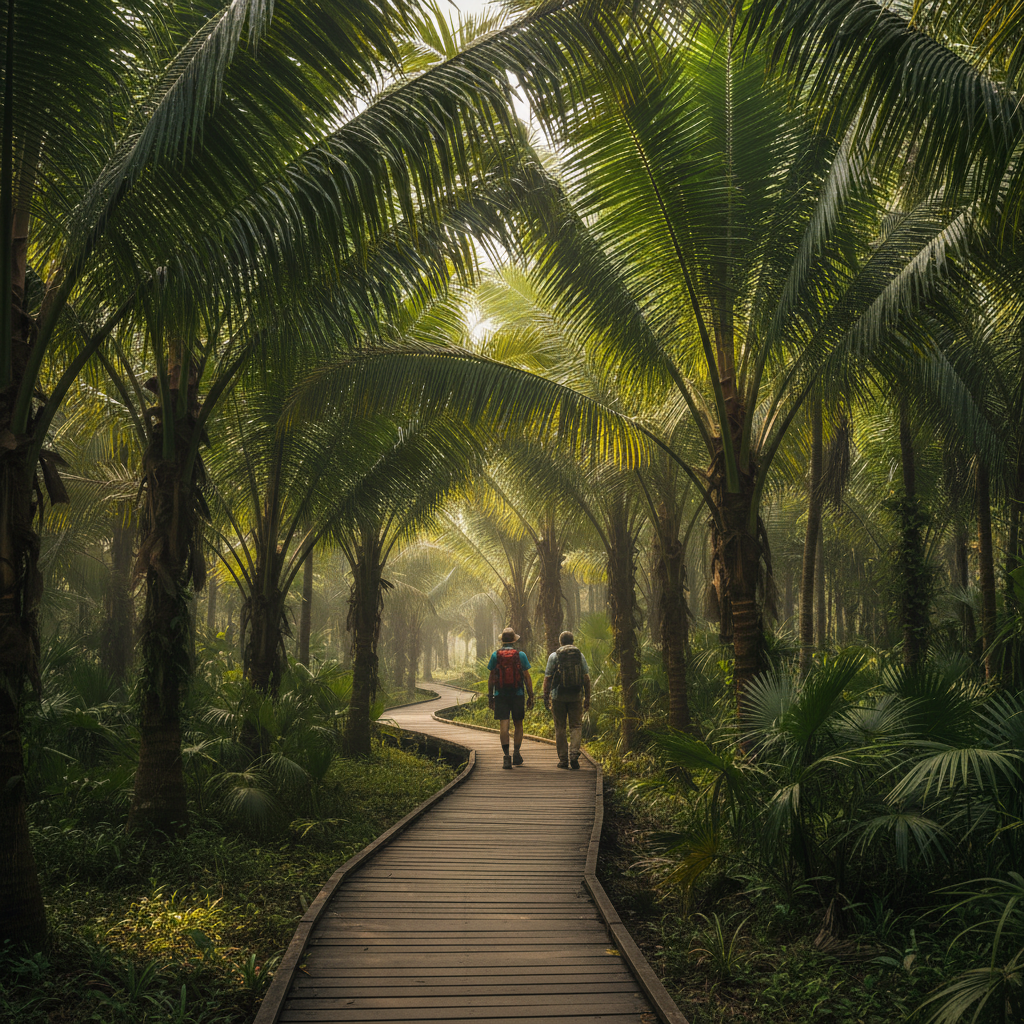
One quick note before we get tactical: “palm forest” can mean coastal palm groves, inland palm oases, or protected palm-dominated wetlands. The best trip plan depends on which one you’re visiting, and what your tolerance is for heat and insects.
What counts as a “palm forest,” and why it matters
In practical travel terms, palm forests are destinations where palms dominate the landscape and access is managed through trails, boardwalks, beaches, or guided routes. Your planning changes based on the setting.
- Coastal palm groves: easier access, more wind, often mixed with beaches and resorts, but sun exposure can be intense.
- Oasis-style palm stands: usually tied to freshwater, great for shade, but mosquitoes can be more persistent.
- Protected wetlands/parks: richer wildlife, stricter rules, sometimes limited cell service and longer hikes.
According to the U.S. National Park Service, conditions in subtropical and tropical park units can change quickly with weather, trail closures, and water hazards, so checking official alerts before you go is part of the plan, not a nice-to-have.
When to go: heat, rain, crowds, and the “best time” myth
The “best time” is usually a tradeoff between comfort and access. Many palm-forest destinations have a wetter season and a drier season, but microclimates can still surprise you.
- For comfort: shoulder seasons often feel better than peak summer, with fewer heat-related issues.
- For lush scenery: just after rains can look incredible, but trails may be muddy and bugs heavier.
- For photos: early morning gives softer light and fewer people, plus less brutal heat.
According to the National Weather Service, heat illness risk rises with high humidity because sweating cools the body less efficiently, so “not that hot” temperatures can still feel punishing in a palm forest setting.
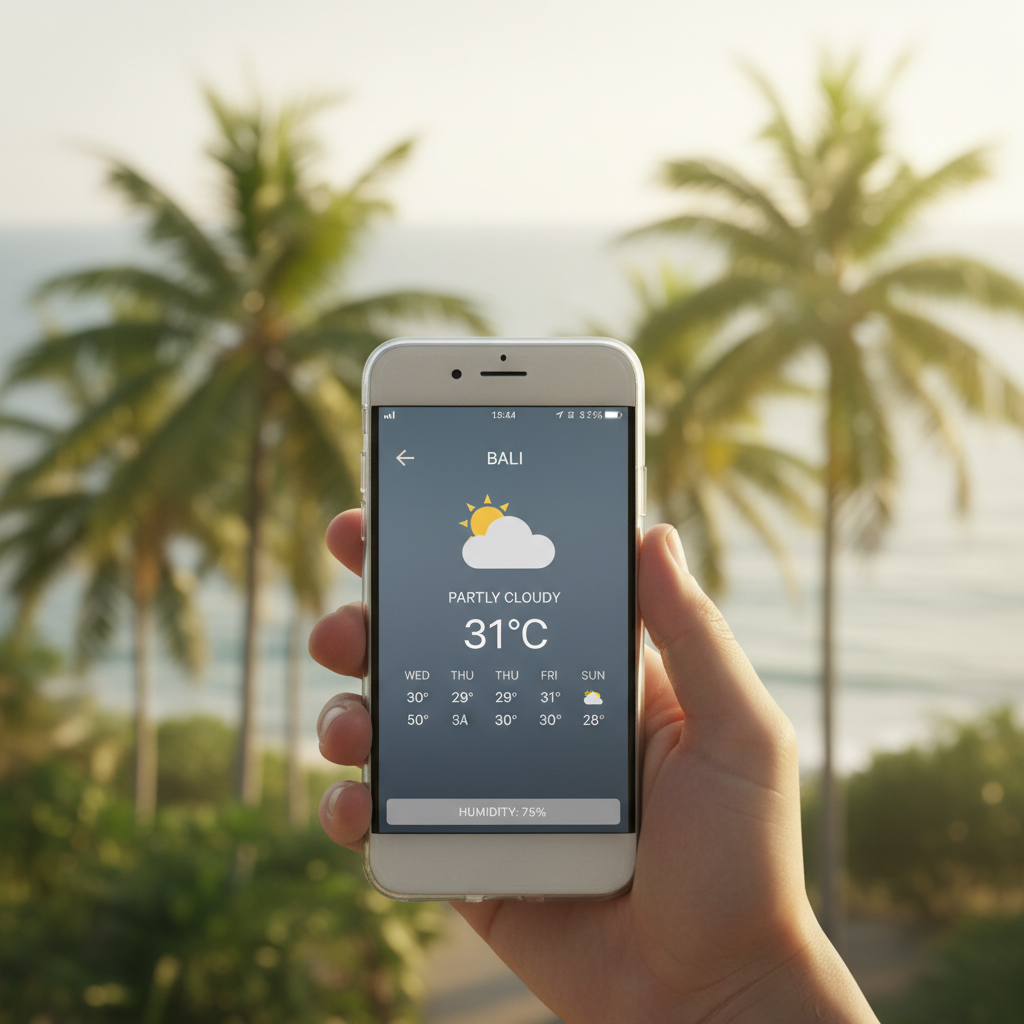
If you’re traveling from most U.S. climates, your first tropical day often feels like you need half the itinerary. You usually don’t. Build in a slower pace and you’ll enjoy it more, and you’ll likely make better decisions around hydration and sun.
A quick self-check: what kind of palm forest trip are you planning?
Use this to match your plan to reality. If you answer “yes” to a line, treat it as a planning requirement.
- It’s mostly walking outdoors: you need sun and heat management, not just “cute outfits.”
- You’ll be near freshwater: expect more mosquitoes, bring repellent and long-sleeve options.
- It’s a protected park: check entry rules, hours, and whether drones, swims, or off-trail walking are prohibited.
- You’re going for photos: plan around light and crowds, and protect gear from humidity.
- Kids or older travelers are coming: prioritize shade breaks and easy exits over ambitious mileage.
This kind of reality check is what makes a palm forest travel guide actually useful, because the “tropical vibe” doesn’t tell you whether the trail will be slick, whether there’s potable water, or whether you’ll have phone signal.
What to pack (and what people regret not packing)
A solid palm-forest kit is less about buying special gear and more about avoiding predictable discomfort. If you pack these well, the trip feels smoother.
Essentials that cover most scenarios
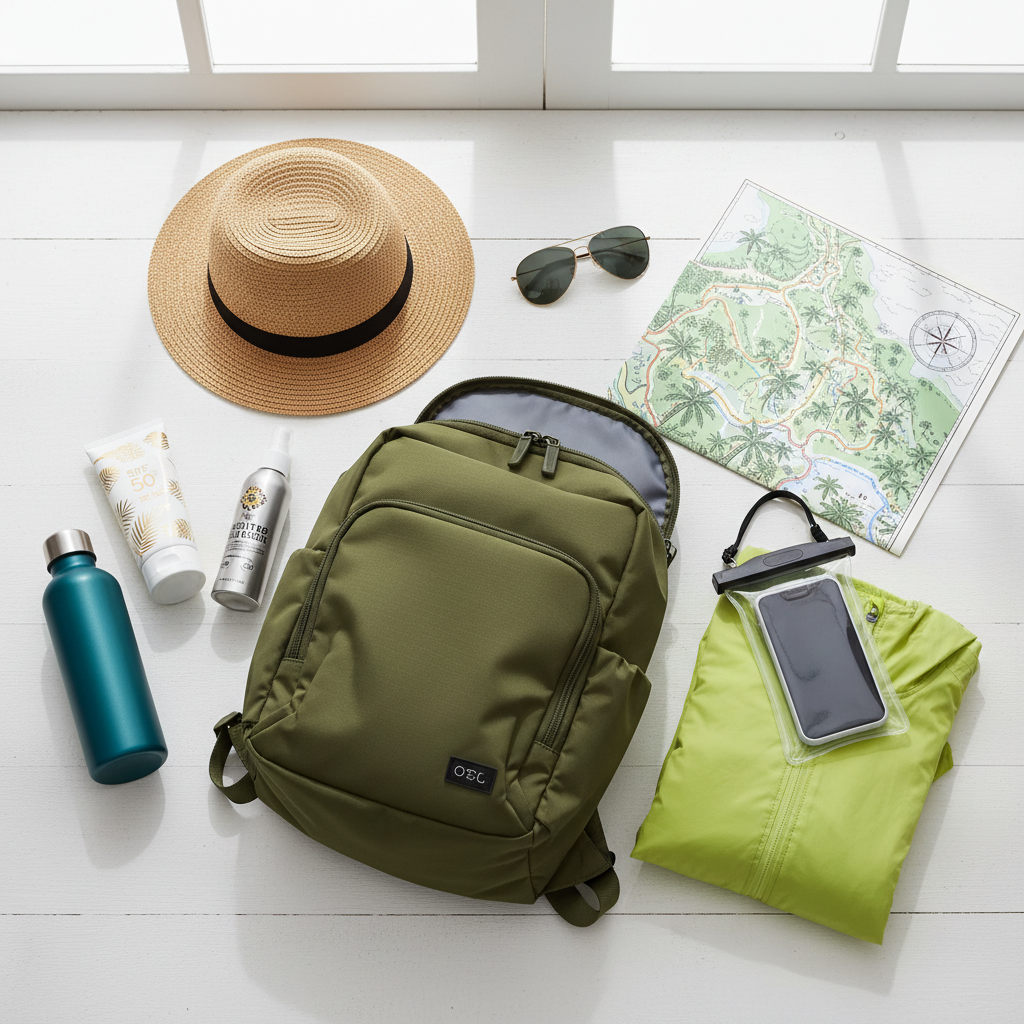
- Water plan: refillable bottle plus a backup (or electrolyte packets) for longer walks.
- Sun protection: hat with brim, sunglasses, and reef-safe sunscreen if you’ll swim. Reapply more than you think.
- Bug defense: repellent, and lightweight long sleeves if you react strongly to bites.
- Footwear: closed-toe shoes for trails, sandals only if it’s a boardwalk-and-beach day.
- Rain layer: a packable shell beats a heavy jacket in humid weather.
Nice-to-haves that pay off
- Dry bag or zip pouches for phone and camera.
- Small microfiber towel for sweat, rain, or unexpected dips.
- Portable charger, especially if you navigate and shoot photos all day.
According to the Centers for Disease Control and Prevention (CDC), preventing insect bites is a key step in reducing mosquito-borne disease risk in many tropical and subtropical areas, so repellent and clothing choices are not just comfort decisions.
Sample itineraries (pick the one that matches your energy)
These aren’t rigid schedules, they’re pacing templates. In humid climates, a plan that looks “light” often feels full.
Half-day “easy win”
- Arrive early, short loop trail or boardwalk
- Photo stop in soft light
- Snack and shade break
- Exit before midday heat peaks
Full-day with variety
- Morning palm forest walk, then lunch indoors or in shade
- Afternoon beach or viewpoint with a breeze
- Short sunset stop if you still feel good
Hike-focused day
- Start at opening, choose a route with known water/rest points
- Turnaround time set in advance, even if you feel strong early
- Recovery: cool-down, electrolytes, and an early dinner
Safety and comfort: the stuff that quietly ruins trips
Most problems aren’t dramatic, they’re slow-burn issues: dehydration, heat fatigue, blisters, sunburn, or ignoring a closed trail because “it looks fine.” A few habits reduce your risk a lot.
- Hydrate early, not only when you feel thirsty, and consider electrolytes if you sweat heavily.
- Use shade breaks as a planning tool, especially for families.
- Respect closures: downed trees, flooding, or wildlife activity can make “quick detours” risky.
- Watch footing: wet roots, slick boardwalks, and sand transitions cause most slips.
According to the World Health Organization (WHO), heat stress can become serious during high heat and humidity, and travelers should adapt activity levels and increase fluid intake. If you have medical conditions or take medications that affect heat tolerance, it’s worth asking a clinician for personalized guidance.
Practical planning table: match your trip type to smart choices
| Trip style | Primary risk | Best timing | What to prioritize |
|---|---|---|---|
| Boardwalk + viewpoints | Sun exposure | Early morning / late afternoon | Hat, sunscreen, water, camera protection |
| Oasis trails near water | Mosquitoes, humidity | Morning (less bug pressure in many places) | Repellent, long sleeves, breathable shoes |
| Long hike in protected area | Heat fatigue, navigation | At opening, with a turnaround time | Route plan, extra water, snacks, offline map |
| Beach + palm grove day | Overexertion, dehydration | Split day with a midday break | Shade breaks, electrolytes, light meals |
Key takeaways (so you don’t overthink it)
- Plan around humidity, not just temperature, your body will notice the difference.
- Pick one “big” activity per day, then add small wins like viewpoints or short loops.
- Pack for sun + bugs + rain, because you can get all three in a few hours.
- Use official alerts for parks and protected areas, rules and closures change.
A good palm forest travel guide is really a comfort-and-safety plan disguised as an itinerary, and once you treat it that way, tropical trips get simpler.
Conclusion: make it easy on yourself
If you take one thing from this, let it be pacing: start early, protect yourself from sun and insects, and build your day around shade and water. That approach usually beats a packed schedule, especially if you’re not acclimated to tropical heat.
Your next step can be simple, pick the palm forest type you’re visiting, run the self-check, then pack the small essentials you’re most likely to regret skipping. You’ll feel the payoff on day one.
FAQ
What should I wear in a palm forest in humid weather?
Breathable, light-colored clothing works well, and many travelers prefer long sleeves for sun and bites. If you run hot, prioritize airflow and plan more shade stops.
How much water do I need for a palm forest day trip?
It depends on heat, trail length, and your sweat rate, but “a little bottle” often isn’t enough. For longer walks, bring extra and consider electrolytes, especially if you feel crampy or lightheaded.
Is insect repellent really necessary if I don’t usually get bitten?
In many tropical areas, mosquitoes and biting flies are inconsistent, one day is fine, the next is annoying. Carrying repellent gives you a backup when conditions shift.
Are palm forests safe to visit without a guide?
Many are, particularly boardwalk-style parks and well-marked trails. For remote routes, limited cell service or variable weather can raise risk, so a guide or a conservative plan may be smarter.
How do I protect my phone and camera from humidity?
Use a dry pouch, wipe condensation, and avoid leaving gear in direct sun. If you’re moving between air conditioning and outdoor humidity, give gear a minute to acclimate.
What’s the biggest mistake people make on tropical palm forest hikes?
Starting too late and pushing through midday heat, then realizing there’s no easy shade or refill point. An earlier start and a firm turnaround time usually prevent that.
Do I need special vaccines or medical prep for tropical travel?
That varies by destination and your health history. According to the CDC, travelers should review destination-specific recommendations; if you’re unsure, a travel clinic can give tailored advice.
If you’re building a tropical itinerary and want it to feel relaxed instead of chaotic, it often helps to map your palm forest stops around weather windows, shade breaks, and realistic drive times, then keep a “Plan B” for rain so the day doesn’t unravel.