
Travel socks compression comfy is the phrase many flyers end up searching after a long flight leaves their ankles puffy, calves tight, or feet feeling oddly “full” in their shoes. If that sounds familiar, you’re not overthinking it, cabins are dry, you sit longer than usual, and your circulation can slow down.
The good news is that compression travel socks can help many people feel more comfortable in the air, especially on medium and long-haul trips. The tricky part is picking a pair that actually feels good, because “compression” and “comfy” don’t automatically come together.
This guide walks through when compression socks are worth it, what to look for (without getting lost in specs), and how to wear them so they help instead of annoy you. I’ll also flag situations where you should be extra cautious and consider medical advice.
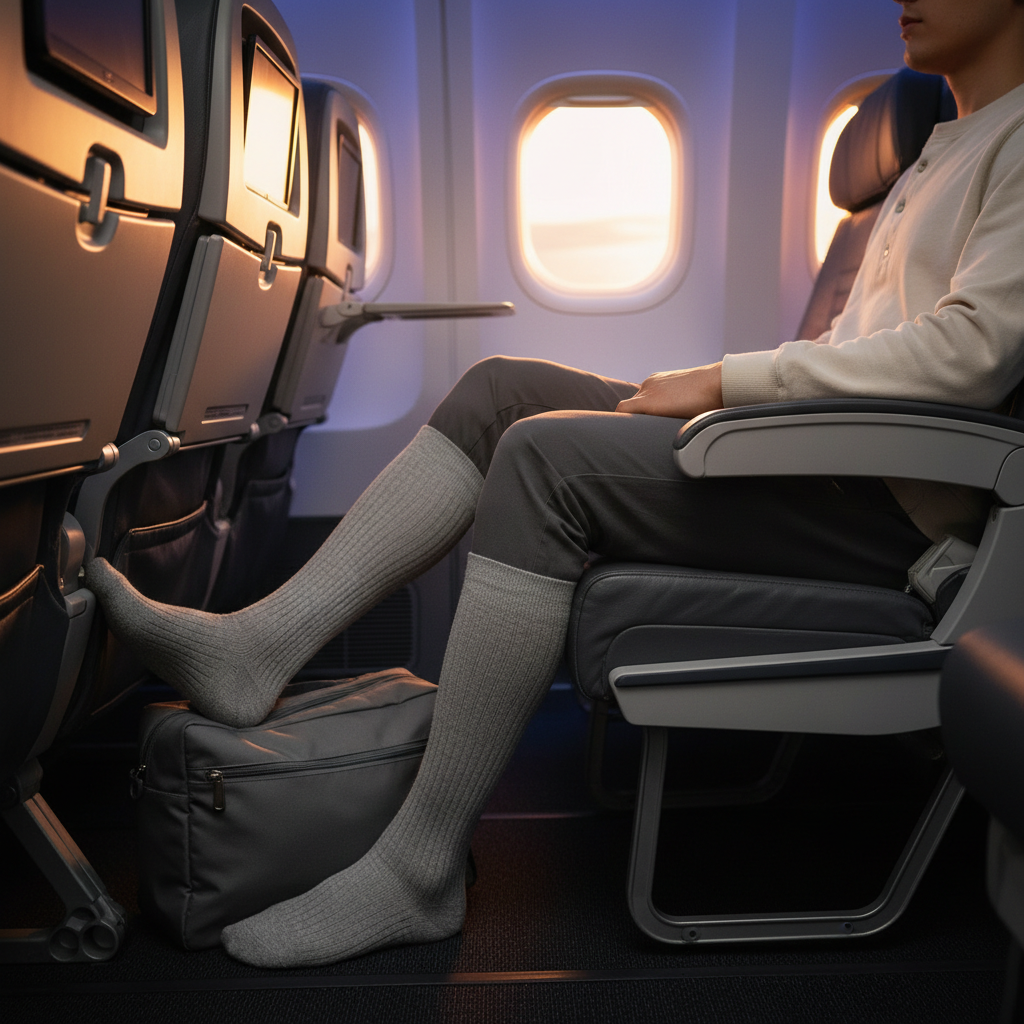
Why flights make legs and feet feel worse than usual
Air travel stacks a few small stressors into one package, and your legs often take the hit. Even if you feel fine day to day, flying can bring out that heavy, achy feeling.
- Long sitting time: Less calf-muscle movement means blood and fluid return upward more slowly.
- Cabin pressure changes: Many people notice more swelling in hands and feet at altitude.
- Dehydration: Dry cabin air can contribute to feeling “puffy” and stiff, even if you drink water.
- Tight waistbands or crossed legs: Small posture habits can make circulation feel worse.
According to the Centers for Disease Control and Prevention (CDC), long-distance travel can increase the risk of blood clots in some people, especially when other risk factors exist. Most travelers won’t develop a clot, but it’s a good reminder that leg comfort and leg health overlap.
What compression travel socks actually do (and what they don’t)
Compression socks apply graduated pressure, typically firmer at the ankle and easing up the calf, which may help reduce pooling and swelling. For many travelers, the practical result is simple: shoes feel less tight after landing and legs feel less “draggy.”
What they don’t do is magically fix every kind of leg pain. If your discomfort is coming from a nerve issue, a footwear problem, or an old injury, compression might feel neutral or even irritating. Comfort is a real filter here, if you dread wearing them, you won’t stick with them.
And a safety note: if you have circulation problems, diabetes with neuropathy, or a history of blood clots, it’s smart to ask a clinician which compression level makes sense for you.
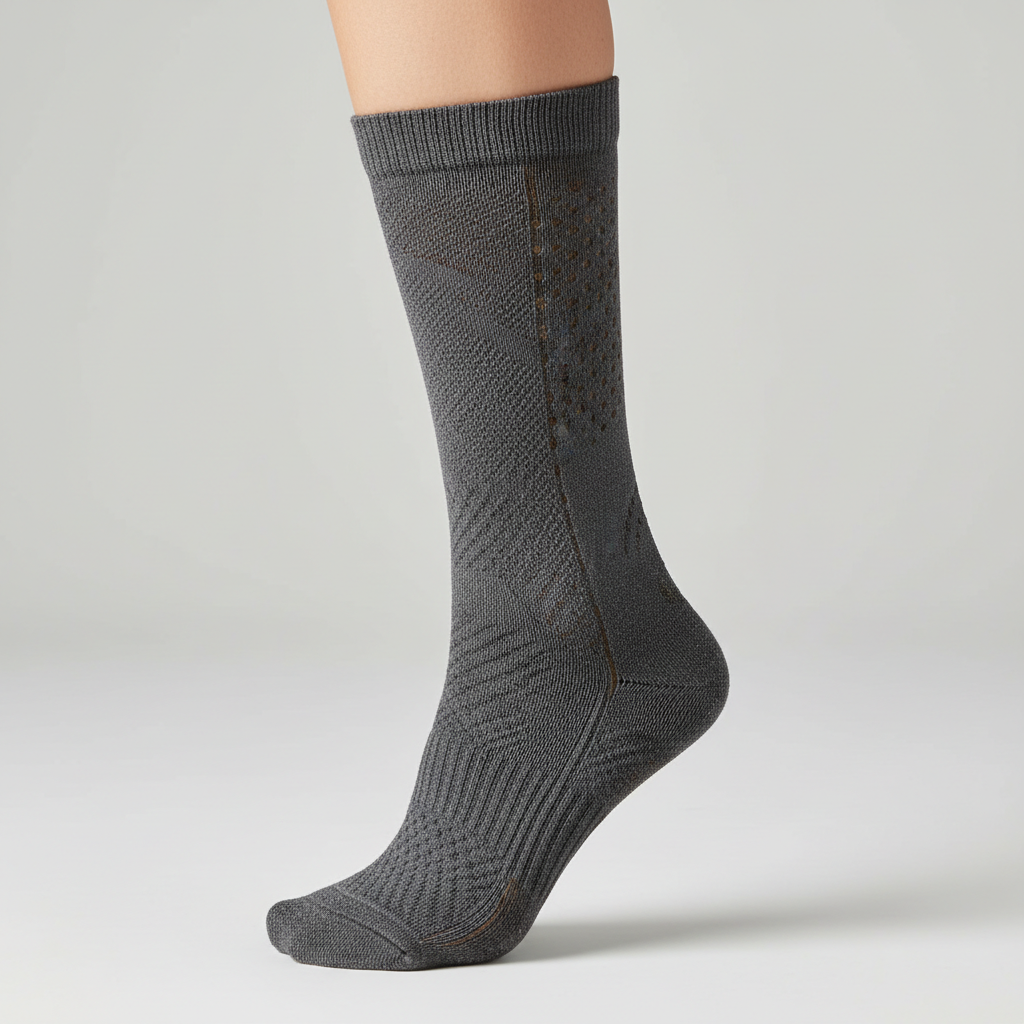
Quick self-check: do you likely benefit from compression on flights?
If you’re deciding whether travel socks compression comfy is just marketing or something you’ll actually use, run through this quick list. If you check a few boxes, compression is often worth trying.
- Your ankles swell on flights, rings feel tight, shoes feel snug after landing
- You get restless legs or a heavy-calf feeling on trips over 3–4 hours
- You’re short on aisle walks because you’re working, sleeping, or stuck in a middle seat
- You’re pregnant or postpartum (ask your clinician first, but this is a common use case)
- You have varicose veins or stand a lot for work and flights make symptoms flare
Skip DIY experimenting and talk to a professional sooner if you’ve had a previous clot, have one-sided swelling, sudden calf pain, skin warmth, or shortness of breath. Those signs deserve urgent medical attention, not sock shopping.
How to choose comfy compression travel socks (the details that matter)
Most unhappy reviews come from two things: the pressure is wrong for the person, or the sock fits poorly in the foot and toe box. Comfort is usually a fit-and-fabric problem, not a “compression socks don’t work” problem.
1) Compression level: light vs. firm
For flights, many people do well with mild to moderate compression. Firm, medical-grade levels can feel too intense unless prescribed. If a brand lists mmHg, treat that as a pressure range, and when in doubt, start lower and see how your body responds.
2) Sizing: follow the calf and ankle measurements, not just shoe size
Shoe size helps, but calf circumference often decides whether a sock feels comfy or like a tourniquet. Measure your ankle and widest calf area, then match the size chart. If you’re between sizes, your comfort preference matters: sizing down increases squeeze, sizing up increases ease but can reduce staying power.
3) Fabric: pick what matches your body temperature and skin sensitivity
- Merino blends: Often feel less clammy and manage odor well, nice for long itineraries.
- Nylon/spandex blends: Smooth, durable, usually thinner under sneakers.
- Cotton-heavy: Soft, but can hold moisture and feel bulky during long wear.
4) Construction details that affect “comfy” more than you’d expect
- Seamless or flat toe seam: Big deal if you hate toe pressure.
- Wide toe box: Helps on flights when feet expand.
- Non-binding top band: A tight band can negate the whole graduated-pressure idea.
- Length: Knee-high is common for flights; crew length can be comfortable but may provide less benefit for calf swelling.
Comparison table: what to buy for your typical flight scenario
Not everyone needs the same setup. Use this as a practical starting point, then adjust based on how your legs feel after landing.
| Scenario | Suggested compression feel | Material preference | Fit priorities |
|---|---|---|---|
| 2–4 hour domestic flight | Light to moderate | Thin nylon blend | Flat toe seam, not too tall |
| 5–8 hour flight, limited walking | Moderate | Merino blend or breathable synthetic | Accurate calf sizing, non-binding cuff |
| Overnight long-haul | Moderate (comfort-first) | Soft merino blend | Temperature comfort, no toe squeeze |
| Prone to swelling or varicose vein discomfort | Moderate, consider clinician input | Breathable, not bulky | Precise ankle/calf sizing |
How to wear compression socks for flights (so they feel good)
Travel socks compression comfy works best when you treat it like part of your pre-flight routine, not something you wrestle with mid-boarding.
- Put them on before swelling starts: Ideally at home or before you reach the gate.
- Smooth, don’t yank: Roll to the heel, seat the heel pocket, then pull gradually up the calf.
- Don’t fold the cuff: Folding can create a tight band that digs in.
- Pair with movement: An aisle walk when safe, plus ankle circles and calf flexes in your seat.
- Keep shoes adjustable: Loosen laces slightly or choose slip-ons that tolerate mild swelling.
If you land and feel instant relief removing them, that can be normal. If you feel tingling, numbness, sharp pressure points, or see deep lines that last a long time, that usually means the size or compression level is too aggressive for you.
Common mistakes that make “compression” stop being “comfy”
- Buying based on shoe size only: Calves vary a lot, and that’s where the squeeze lives.
- Choosing maximum compression without a reason: Firmer is not always better for flights.
- Ignoring heat: Warm legs plus thick socks equals itch and irritation, especially on red-eyes.
- Wearing damaged pairs: Stretched cuffs or thinning fabric change pressure distribution.
- Assuming they replace movement: They can help, but they’re not a substitute for changing position.
According to the American Academy of Dermatology Association (AAD), skin irritation can be triggered or worsened by friction and occlusion in some people. If you’re prone to eczema or sensitive skin, prioritize softer knits, good breathability, and wash them with fragrance-free detergent.
Key takeaways before your next flight
- Start with comfort-first compression: Mild to moderate pressure is a common sweet spot for travelers.
- Measure your calf and ankle: Fit drives comfort more than brand claims.
- Put them on early: Before takeoff, before swelling.
- Use them with simple movement: Small in-seat exercises still matter.
If you want a low-effort upgrade for travel days, a well-fitting pair of compression socks is one of the few accessories that can change how you feel at baggage claim, not just how you look in the airport.
FAQ
Are compression travel socks safe for everyone on flights?
Many people can wear them comfortably, but not everyone should self-prescribe higher compression. If you have peripheral artery disease, neuropathy, a history of clots, or significant swelling, it’s safer to ask a clinician what level and style fits your situation.
What compression level is usually “comfy” for flying?
For general flight comfort, mild to moderate compression often feels supportive without feeling restrictive. If you’re new to compression, starting lower is usually the easier path, you can always increase later if you feel no benefit.
Should I wear compression socks for a short flight?
If short flights still make your feet swell or your calves feel heavy, they can help. If you feel totally normal after 1–2 hours and you move around easily, you might not notice much difference.
When should I put compression socks on before a flight?
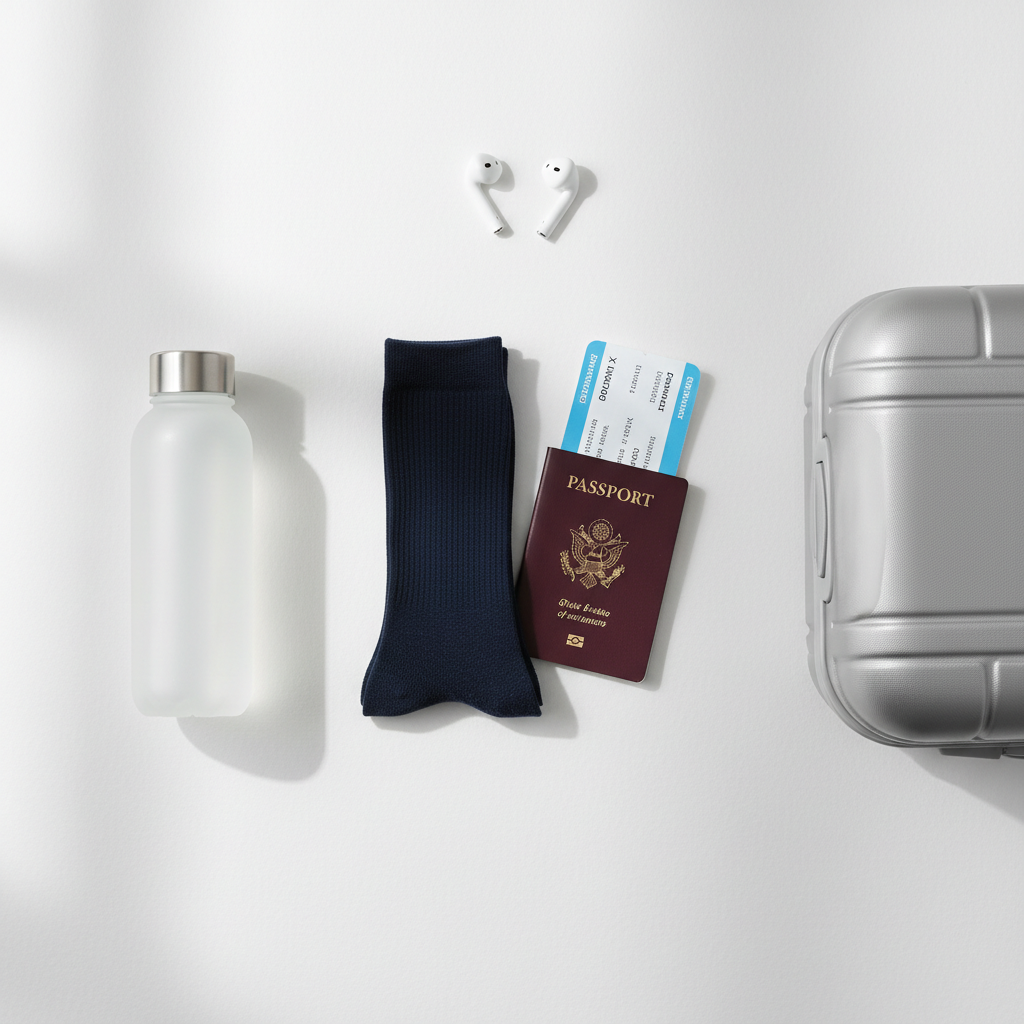
Before you board is ideal, because once swelling begins, socks can feel harder to put on and less comfortable. Many travelers treat them like a “leave the house” item alongside a passport and charger.
Can compression socks help prevent blood clots on long flights?
They may reduce leg swelling and improve comfort, and they’re sometimes recommended as part of a broader prevention plan for at-risk travelers. For clot prevention specifically, your personal risk factors matter a lot, so it’s worth discussing with a healthcare professional if you’re concerned.
Why do my compression socks roll down or dig in?
Rolling often points to sizing issues, especially calf circumference, or a cuff design that’s too tight. Digging in can also happen when you fold the top band, which creates a constricting ring rather than smooth graduated pressure.
Can I sleep in compression socks on a red-eye?
Some people do fine sleeping in them during travel, but it depends on comfort, compression level, and your health background. If you notice numbness, tingling, or pain, take them off and consider a different size or lower compression next time.
Practical next step
If you’re shopping for travel socks compression comfy and want fewer trial-and-error purchases, start by measuring ankle and calf, then pick a breathable fabric and a mild-to-moderate compression range, wear them on a long workday before your trip, and keep the pair that you forget you’re wearing.