
wine tour travel regions can feel overwhelming when every list says “must-visit” but none tells you what to pick for your palate, budget, and travel style.
If you’ve ever booked a tasting weekend and ended up with packed highways, fully reserved wineries, and a bill that made you wince, you’re not alone, small choices like season, transportation, and reservation policies often matter more than the region’s hype.
This guide narrows the field to regions Americans actually travel to for tastings, then helps you match them to what you want, crisp whites, bold reds, bubbles, scenery, food, or low-key vibes, with planning tips you can use right away.
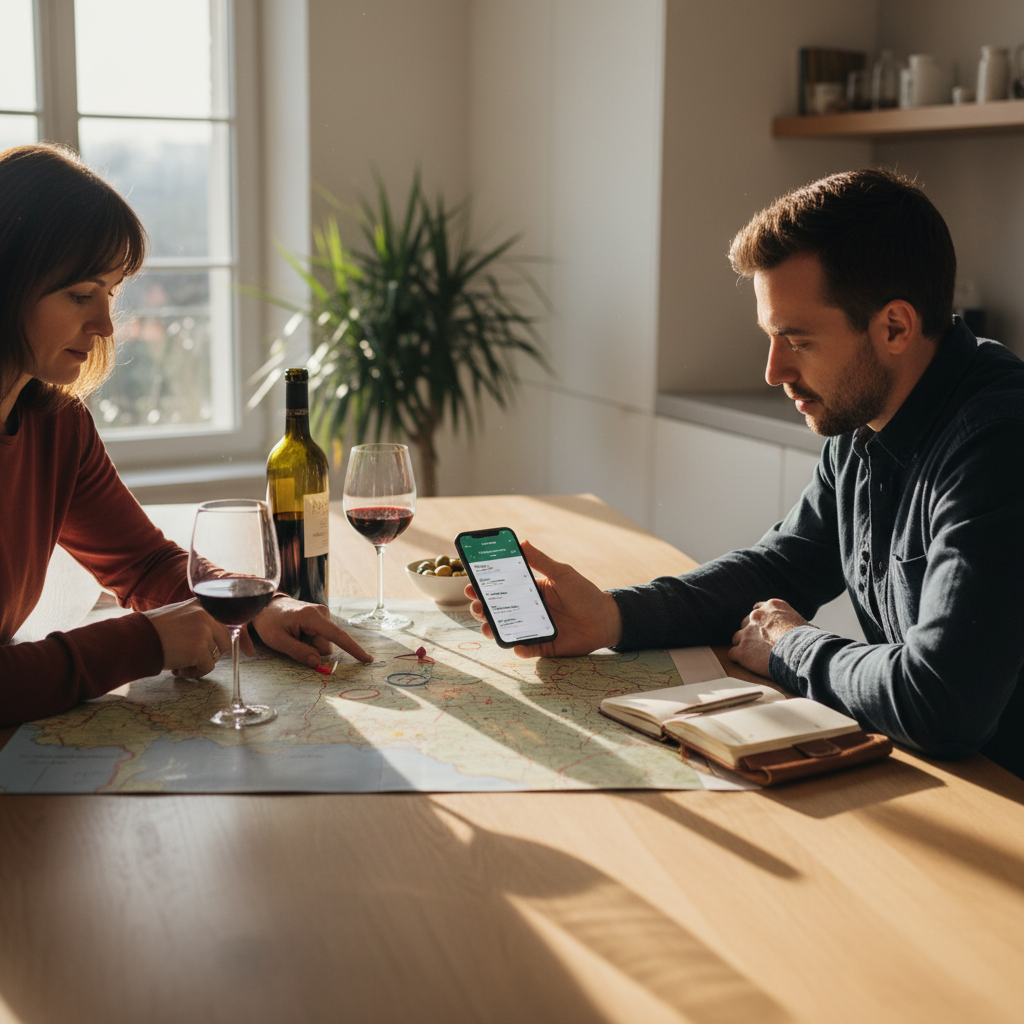
How to choose a region without overthinking it
Pick a wine area the same way you’d pick a restaurant for a group, start with constraints, not fantasies. Time of year, how far you’re willing to drive, and whether you want a “walkable” experience will narrow your options fast.
- Palate: Do you prefer high-acid whites, big Cabernet, Pinot Noir, sparkling, or dessert wine?
- Pace: Two wineries a day with long lunches, or four quick tastings?
- Budget reality: Tasting fees, shipping, driver or tour, and lodging add up quickly.
- Logistics: Some destinations reward a car, others reward staying in town and using shuttles.
According to the U.S. Department of Transportation (NHTSA), alcohol can impair driving, so if you plan multiple tastings, lining up a driver, shuttle, or tour is the safer call in many situations.
Popular wine regions in the U.S. (and what each does best)
These wine tour travel regions come up repeatedly because they’re set up for visitors: tasting room density, lodging, food, transportation options, and overall trip “smoothness.”
Napa Valley, California
Napa is polished, pricey in many seasons, and exceptionally easy to plan if you like structured tastings and iconic Cabernet Sauvignon. Reservations are common, and the experience often leans “hosted” rather than casual bar service.
- Best for: Cabernet lovers, bucket-list wineries, luxury stays
- Watch for: Peak-season traffic and tasting fees that vary widely
Sonoma County, California
Sonoma tends to feel broader and more varied than Napa, with lots of Pinot Noir and Chardonnay, plus some wonderfully relaxed tasting rooms. It can be a better fit if you want high quality without quite as much formality.
- Best for: Pinot/Chard, scenic drives, mixed budgets
- Watch for: Longer distances between towns, so plan clusters
Willamette Valley, Oregon
Willamette is a favorite for Pinot Noir, with many tasting rooms that feel approachable and educational. It’s also a strong choice if you care about cooler-climate styles and want a trip centered on the wine, not just the spectacle.
- Best for: Pinot Noir, smaller producers, quieter itineraries
- Watch for: Rainy-season planning, make indoor options
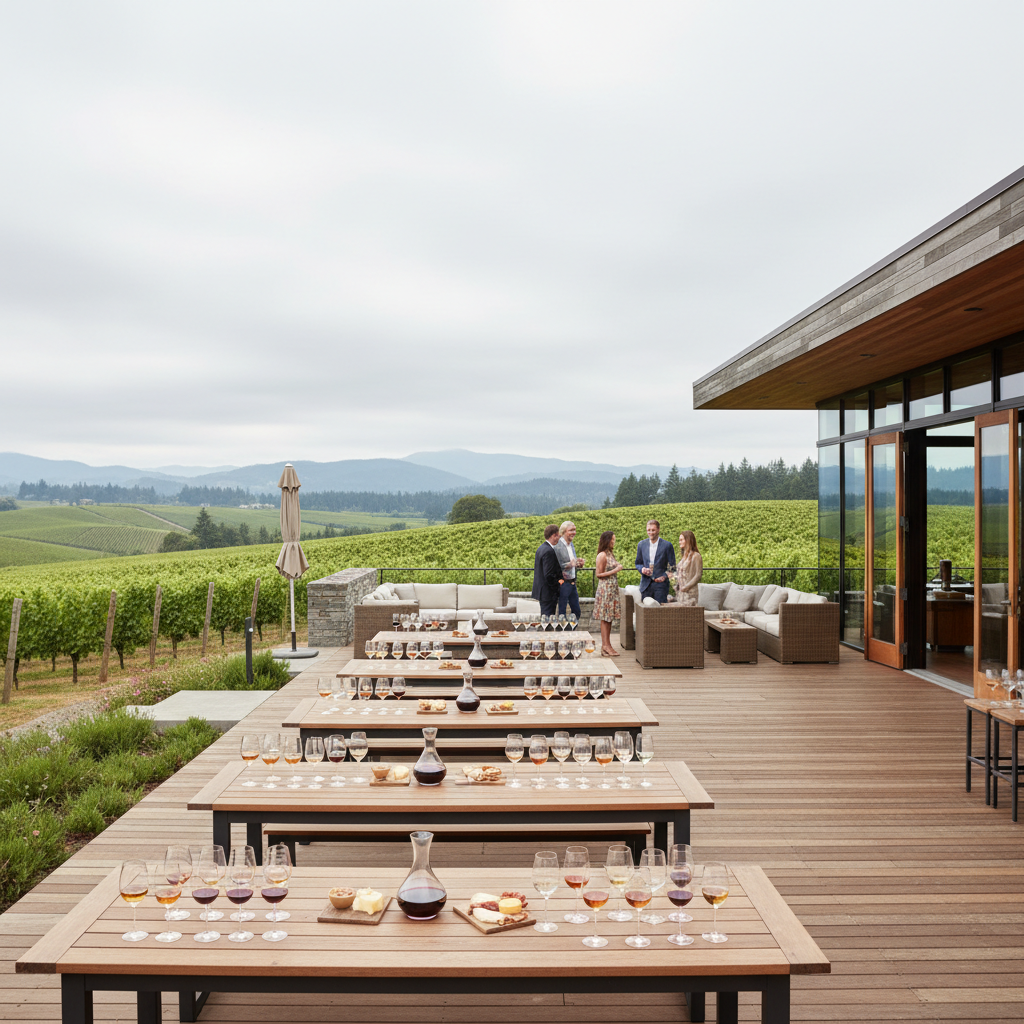
Finger Lakes, New York
If you like Riesling, sparkling, and bright whites, the Finger Lakes can surprise people who assume “serious wine” only means the West Coast. The lakes make for a classic road-trip rhythm: a few tastings, a meal, then water views.
- Best for: Riesling, value tastings, summer and fall trips
- Watch for: Winter driving and limited hours in the off-season
Walla Walla, Washington
Walla Walla is compact, charming, and very red-wine forward. The downtown tasting-room scene makes it easier to sip without constant driving, especially if you stay central.
- Best for: Syrah, Cabernet blends, walkable tasting days
- Watch for: Limited lodging in peak weekends, book early
Texas Hill Country
Texas Hill Country is built for groups and weekends, with tasting rooms that often feel social and lively. Styles vary by producer and vintage, so it’s a good place to focus on experiences plus a handful of “anchor” wineries you really want.
- Best for: Group trips, bachelorette weekends, easy day trips from Austin
- Watch for: Hot-weather pacing, water and shade matter
Quick comparison table: match regions to your trip style
Use this as a starting filter, then refine by season and where you can realistically stay.
| Region | Signature vibe | Wine strengths (common) | Best for | Planning friction |
|---|---|---|---|---|
| Napa Valley | Polished, iconic | Cabernet Sauvignon, blends | Bucket-list splurge | High (reservations, cost) |
| Sonoma County | Varied, relaxed | Pinot Noir, Chardonnay | Balanced weekend | Medium |
| Willamette Valley | Low-key, wine-first | Pinot Noir, Chardonnay | Enthusiasts, couples | Medium |
| Finger Lakes | Road-trip friendly | Riesling, sparkling, cool-climate whites | Value + scenery | Low to medium |
| Walla Walla | Walkable tasting hub | Syrah, Bordeaux-style blends | Downtown tasting days | Medium |
| Texas Hill Country | Social, group-forward | Producer-dependent | Friends’ weekends | Low to medium |
A simple self-check: which kind of taster are you?
People get more value from wine tour travel regions when they admit what they actually enjoy on a trip. Pick the closest match and plan around it.
- The “I want to learn” taster: prioritize seated tastings, smaller producers, and fewer stops.
- The “views and vibes” taster: choose regions with patios, food pairings, and scenic drives, then keep the schedule light.
- The “I’m here for a specific grape” taster: go where that variety reliably shines (Pinot in Willamette, Riesling in Finger Lakes, Cab in Napa).
- The group organizer: pick places with clusters of tasting rooms, clear reservation systems, and easy transportation options.
Key point: If you regularly feel rushed on trips, your fix usually isn’t a “better region,” it’s fewer appointments and tighter geography.
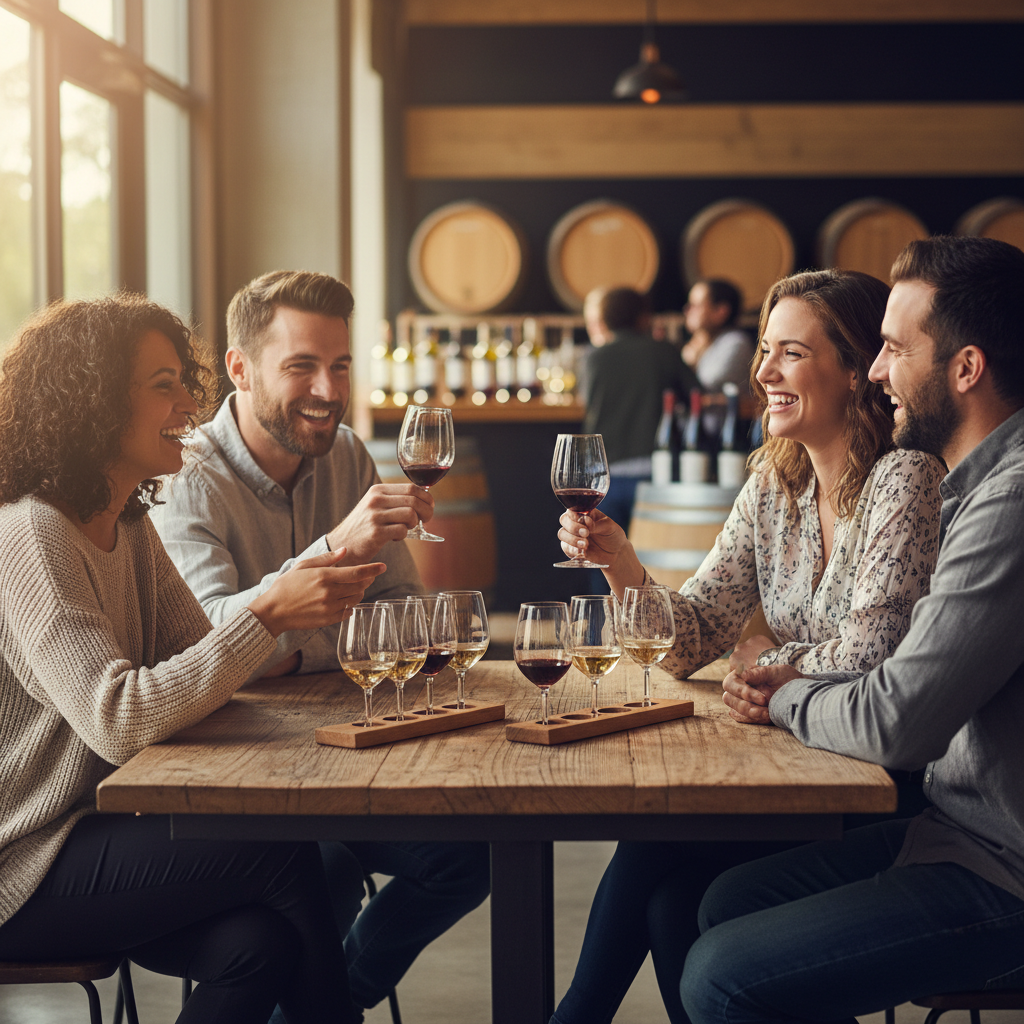
Practical planning steps that make tastings easier
Most tasting trips fall apart in predictable ways: too many stops, too much driving, and no plan for food, water, or shipping. These steps keep it fun.
Build a “2-1-1” day
- 2 wineries max if you’re doing seated experiences
- 1 long meal you actually sit down for
- 1 flexible slot for a walk, a viewpoint, or a last-minute find
Reserve the parts that truly require reservations
- High-demand wineries, pairing menus, and tours often need booking.
- Casual tasting bars sometimes accept walk-ins, but weekends can change that.
Decide how you’ll get bottles home
- Shipping from the winery is convenient, but timing and rules vary by state.
- Checking a wine suitcase can work for small hauls, but breakage risk exists.
According to the Alcohol and Tobacco Tax and Trade Bureau (TTB), alcohol shipping and sales rules depend on state laws, so it’s smart to confirm shipping options at each winery before you buy a case.
Common mistakes (and what to do instead)
A few missteps show up in almost every region, even the “easy” ones.
- Mistake: Planning by Instagram popularity.
Do instead: pick one “famous” stop, then fill in with nearby producers that match your tastes. - Mistake: Overloading day one.
Do instead: keep the first day lighter, you’ll calibrate your pace and preferences quickly. - Mistake: Skipping food and water.
Do instead: schedule lunch early, carry water in the car, and take breaks. - Mistake: Driving yourselves when you’re doing multiple tastings.
Do instead: book a driver, tour, or use a hub with walkable tasting rooms when possible.
If you’re pregnant, taking medications, or managing a health condition, alcohol may not be advisable, checking with a healthcare professional is the cautious move.
When it’s worth getting help from a pro
You don’t need a sommelier or travel agent for every trip, but a little help can prevent expensive mistakes in high-demand wine tour travel regions.
- Long weekends in Napa/Sonoma: a local driver or tour operator can reduce traffic stress and help with timing.
- Large groups: concierge-style booking helps align reservations, deposits, and cancellation rules.
- Special occasions: if you want a proposal-level day, pay for planning so you’re not negotiating logistics mid-trip.
Also, if you have concerns about alcohol use, speaking with a qualified medical professional or counselor can be more helpful than trying to “self-manage” through travel rules.
Wrap-up: a calmer way to pick your next tasting destination
The best trips usually come from an honest match: the wine style you love, a region that supports your pace, and a plan that leaves breathing room. Start with two regions you can realistically reach, compare them using the table, then build a two-winery day that won’t turn into a marathon.
Action steps: choose your top grape, pick the season that fits your schedule, then reserve your first two tastings before you book anything else.
FAQ
What are the best wine tour travel regions for beginners?
Many beginners enjoy places with lots of tasting rooms close together and friendly staff, Sonoma, Walla Walla, and parts of the Finger Lakes can be easier than highly formal experiences. The real trick is booking fewer tastings so you have time to ask questions.
How many wineries should I visit in one day?
Two to three is a comfortable range for most people, especially if at least one is a seated tasting. If you’re driving longer distances, two stops often feels better than squeezing in a third.
Do I need reservations for wine tastings in Napa and Sonoma?
In many cases, yes, particularly on weekends and for well-known wineries. Some spots accept walk-ins, but it’s not something you want to gamble on if you only have one day.
Which regions are best for Pinot Noir tastings?
Willamette Valley is a common pick for Pinot Noir lovers, and Sonoma also has strong Pinot-focused areas. If you like lighter, higher-acid styles, cooler-climate producers often match that preference.
What wine regions are good for white wine lovers?
The Finger Lakes is a strong option for Riesling and bright whites, and many parts of Sonoma and Willamette offer excellent Chardonnay. If you want very crisp whites, look for cooler climates and producers that emphasize acidity and balance.
Is it safe to drive after a wine tasting tour?
Alcohol affects people differently, and even small amounts can impair driving, so it’s smart to plan a driver, shuttle, rideshare, or a walkable tasting setup. If there’s any doubt, err on the side of not driving and ask your tasting host about options.
What should I wear on a winery visit?
Comfortable shoes matter more than people expect because you may be standing, walking vineyards, or dealing with gravel parking lots. Bring a layer, temperatures can swing between morning and late afternoon in many wine areas.
If you’re trying to choose between a few wine tour travel regions and want a tighter itinerary, share your travel dates, budget range, and the wines you actually drink at home, it’s often enough to turn a fuzzy plan into a clean two-day route with less backtracking.