
Theme park travel tips that truly reduce waiting usually come down to two things, timing and decision-making, because most guests arrive, eat, and ride in the same predictable waves.
If you’ve ever spent half your day staring at switchbacks and strollers, you already know the real “cost” of a theme park ticket isn’t only money, it’s time. The good news is you can usually shave a surprising amount of line time without turning your trip into a military operation.
This guide focuses on practical choices you can make before you enter the gates and while you’re inside, what to prioritize early, when to slow down, how to use the park app without living on your phone, and where people accidentally waste their best hours.
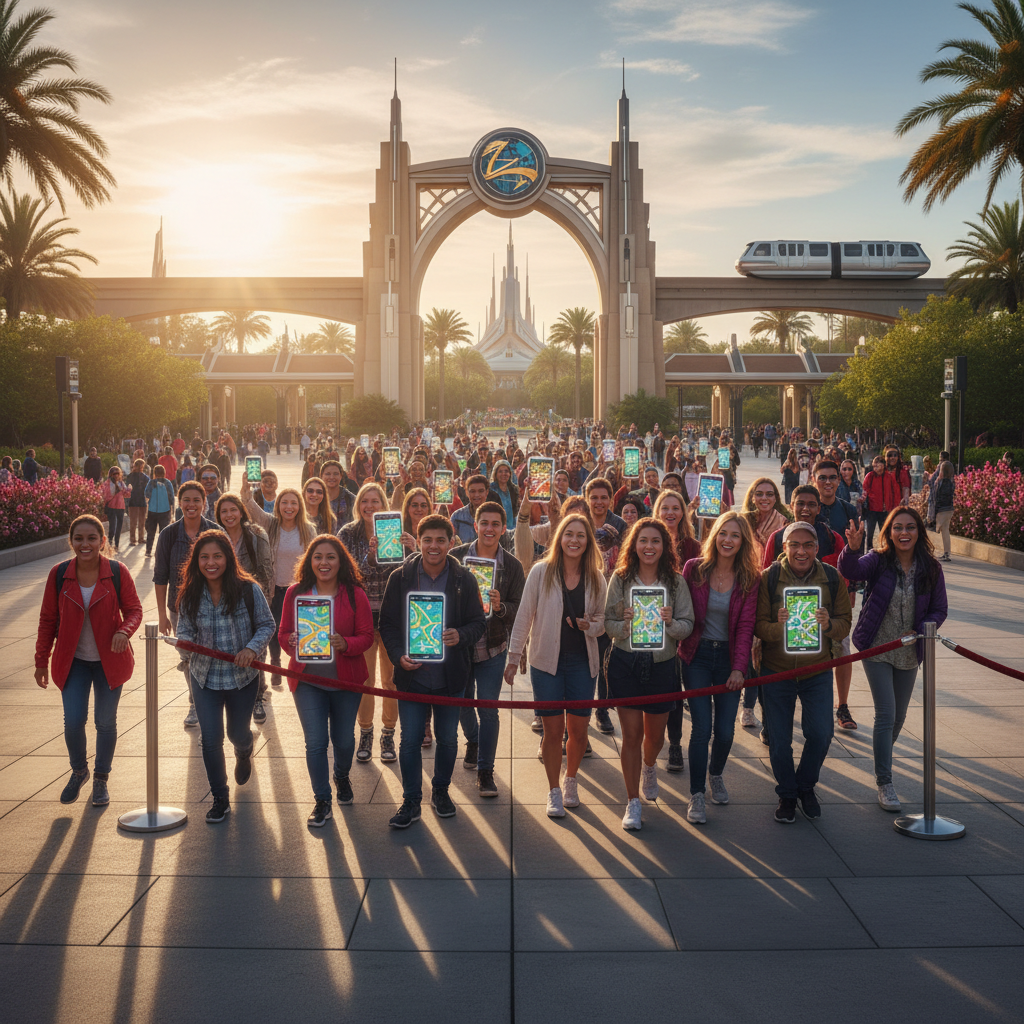
Why lines get long (and why it’s not your fault)
Most parks create bottlenecks on purpose, not to annoy you, but because everyone wants the same handful of headliner rides at the same time. Add weather, staffing, ride downtime, and meal rushes, and you get those sudden “how did it jump to 90 minutes” moments.
- Arrival waves: guests flood in at opening, and late arrivals bunch up at midday.
- Headliner gravity: the newest or most iconic attractions pull crowds from across the park.
- Meal-time stacking: when many people eat at once, lines move from rides to food, then back to rides.
- Downtime ripple: when one major ride pauses, nearby waits often spike.
According to Walt Disney World, attraction availability can change throughout the day due to “temporary closures” and operating conditions, which is a polite way of saying flexibility matters more than the perfect plan.
Quick self-check: what kind of park day are you planning?
Before you choose tactics, be honest about the day you want. Some theme park travel tips work brilliantly for early birds, but feel miserable if you hate mornings.
- You’re a “rope drop” person if you can arrive 30–60 minutes before opening and enjoy front-loading big rides.
- You’re a “late start” person if you’d rather enter after the first surge and play the afternoon/evening game.
- You’re traveling with small kids if you need predictable breaks, shade, and shorter standby waits more than thrill rides.
- You’re a “one-day power visitor” if you need a plan that survives crowds, not just an ideal itinerary.
If you’re unsure, pick one “must-do” ride per person and one “nice-to-have.” That tiny constraint prevents the classic spiral of chasing everything and enjoying nothing.
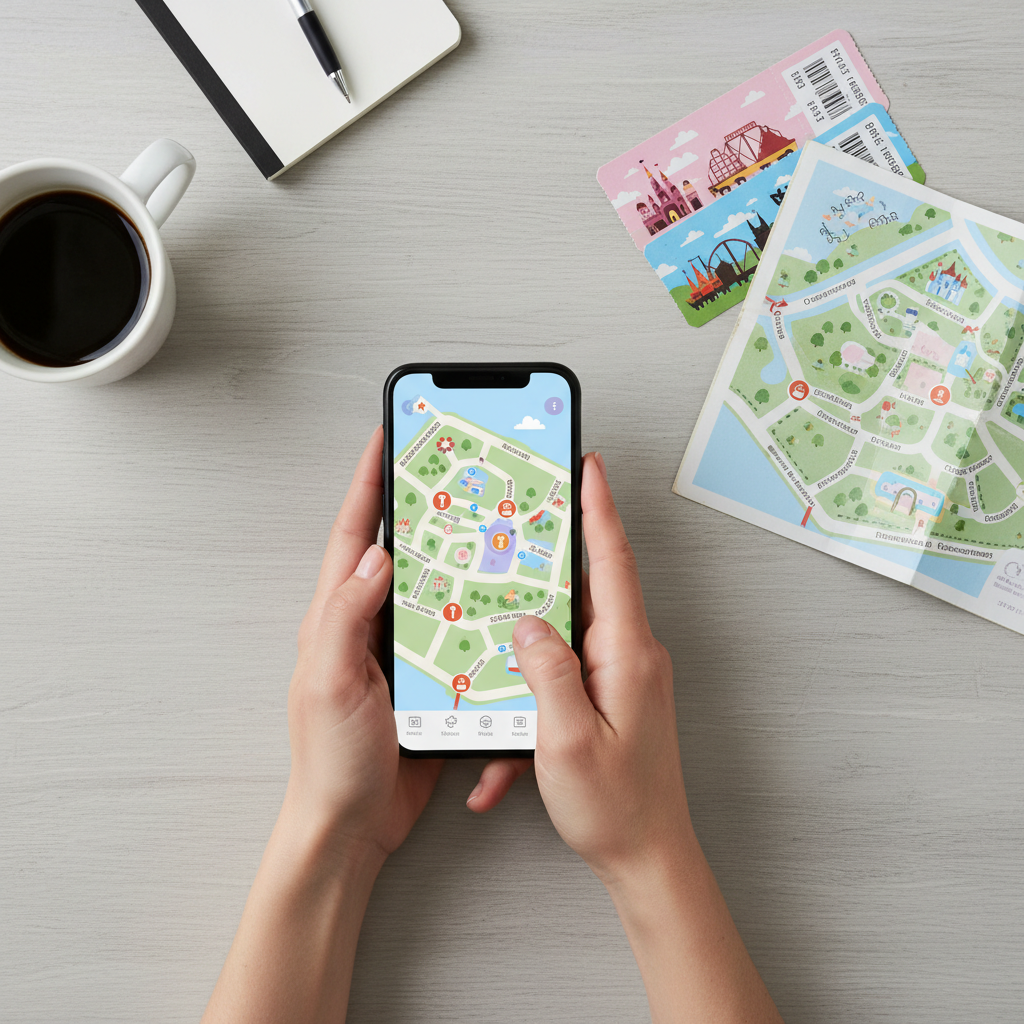
Pre-trip setup that saves hours (not minutes)
People love to obsess over ride order while skipping the boring setup that actually reduces waiting. Do these the day before.
Get the right tools ready
- Install the official park app, sign in, add tickets/passes, and confirm payment methods if the park uses mobile ordering or paid line-skipping.
- Turn on notifications for showtimes, virtual queues, and ride status (if offered), then silence everything else on your phone.
- Pack for battery survival: small power bank, short cable, and a charging plan. A dead phone often means longer waits and more walking.
Pick dates and timing with less guesswork
- Weekdays usually help, but school calendars and holidays can flip that quickly.
- Bad weather can be your friend if it’s safe: light rain sometimes thins crowds, though some rides may close.
According to National Weather Service, thunderstorms and lightning can develop quickly in many regions; if weather turns severe, follow park instructions and treat safety as non-negotiable.
In-park strategy: ride less waiting, not more walking
This is where most theme park travel tips either shine or fall apart. The goal isn’t to zigzag across the park chasing “shorter” waits that vanish by the time you arrive.
Use the first 90 minutes intentionally
- Ride one headliner immediately if you’re at opening and the line is still manageable.
- Then hit nearby secondary rides while the crowd migrates deeper into the park.
- Save the “photo spot” and browsing for later, when lines peak and your feet need a slower pace.
Midday: switch modes
- Shows, walkthroughs, and indoor attractions can deliver a break with predictable wait patterns.
- Mobile order early for lunch, even if you plan to eat later. Time slots vanish fast in many parks.
Late afternoon and evening: the comeback window
Many parks see a subtle split when families leave for dinner or bedtime, and some guests commit to fireworks. If you can stay, you may get cleaner runs at popular rides, though results vary by park and season.
Line-skipping options: when they’re worth it (and when they’re not)
Paid and free systems change often, and the rules depend on the park. Still, the math stays similar: these tools pay off when you’re targeting a small number of high-demand attractions in a tight timeframe.
| Option | Best for | Watch-outs |
|---|---|---|
| Virtual queue (free) | New or very popular rides | Drop times can be competitive; you still wait a bit on-site |
| Paid express / lightning-style return times | One-day trips, peak days, headliner-heavy plans | Costs add up; return windows can push you into extra walking |
| Single rider line | Adults/teens okay splitting up | Not always open; parties sit separately |
| Early entry / hotel perks | Visitors who can arrive early consistently | Only helps if you use it; sleeping in cancels the advantage |
Here’s a practical rule: if you’re already okay missing one or two headliners, you might not need paid access. If missing them would ruin the day, price out the upgrade before you arrive so it doesn’t become a stressed-out decision at noon.
Practical tactics that reduce waiting right now
These aren’t glamorous, but they work in many parks, especially when you combine two or three.
- Eat early or late: lunch at 11:00 or 2:00 often beats 12:00–1:00 crowds.
- Use mobile order strategically: place the order when you see good ride waits, pick up food during peak ride times.
- Target capacity monsters: large theater shows and continuous-loading rides can reset your day when standby lines feel endless.
- Standby “value test”: if a wait is 60 minutes, ask what you’re giving up. Two 25-minute wins can feel better than one prestige ride.
- Watch for downtime patterns: if a ride reopens after a closure, waits sometimes spike immediately, then settle. Sometimes it’s smarter to wait 20 minutes and then join.
Key takeaways to keep in your pocket
- The first hour is your cheapest time. Spend it on a ride that’s painful later.
- Don’t chase the whole park. Cluster your rides by land/area.
- Plan food like an attraction. It has queues too.
Common mistakes that quietly add 2–3 hours of line time
Most people don’t “fail” because they didn’t know a hack, they lose time to small choices repeated all day.
- Arriving at opening time, not before opening time: that difference can be the best queue you see all day.
- Doing shopping at peak hours: it’s fun, but it steals your best ride windows.
- Ignoring breaks: exhaustion makes you slower, more indecisive, and more likely to abandon lines halfway through.
- Over-optimizing: refreshing wait times every two minutes usually leads to more walking and less riding.
If heat, dehydration, or motion sickness is a concern, be conservative with thrill rides, hydrate, and consider asking a healthcare professional for personalized guidance, especially for kids or anyone with medical conditions.
When to get extra help (or change the plan)
There are days when crowds are simply heavy, and the most realistic win is reducing friction, not chasing a perfect wait-free itinerary.
- First-time visitors on a holiday weekend: a park-specific touring plan or an authorized travel advisor can help you avoid rookie traps.
- Complex needs: if your group has accessibility considerations, check the park’s official accessibility services page and call ahead. Policies vary and can change.
- Big groups with mixed priorities: splitting for one hour can save everyone’s mood, then regroup for meals and shows.
Conclusion: a smoother day is mostly about choosing your battles
The best theme park travel tips for less waiting aren’t secret, they’re repeatable: arrive earlier than feels reasonable, ride one tough attraction before the crowds settle, cluster your next picks nearby, and treat meals and breaks like scheduled resets.
If you do one thing this week, open the park app, map your top rides by location, and decide your first two moves. That tiny commitment tends to pay back all day.
FAQ
What time should I arrive at a theme park to avoid long lines?
In many cases, arriving 30–60 minutes before official opening gives you the best shot at shorter standby waits. If you arrive at posted opening, you’re often entering with the biggest surge.
Do theme park apps really help reduce waiting?
Yes, when you use them for a few high-impact actions like mobile ordering, virtual queue drops, and checking nearby waits. If the app turns into constant refreshing, it can backfire by pushing you into extra walking.
Are paid express passes worth it on a crowded day?
They can be, especially if you’re focused on headliners and you only have one day. If your priorities are shows, food, and atmosphere, you may not get the same value.
Is it better to ride popular attractions first or last?
Often first, because you’re using the day’s lowest-crowd window. Last can also work if the park stays open late and crowds thin, but it depends on operating hours and whether that ride tends to close early.
How do I avoid wasting time walking back and forth?
Pick a land or area and clear it before crossing the park again. Wait times change fast, but distance never does, so geography is a more reliable planning anchor than minute-by-minute numbers.
What are the best theme park travel tips for families with young kids?
Prioritize predictable wins: early entry if possible, shorter rides in one area, a mid-day indoor break, and meals outside peak times. You’ll usually get more done by protecting energy than by chasing one more headliner.
What if a ride breaks down while I’m in line?
Listen to the staff timeline if they share one, then make a calm call: if it’s an unclear delay, it’s often smarter to pivot to something nearby and check back later rather than waiting indefinitely.
If you’re planning a trip and want a more customized approach, a simple way to start is listing your “must-dos,” your no-go constraints (heat, motion sensitivity, budget), and your preferred pace, then building a realistic route around those instead of around every headline ride.