
pain reliever travel essential is one of those items you only appreciate after you’re stuck with a headache in an airport, on a road trip, or mid-meeting at a conference.
Travel headaches happen for boring reasons, dehydration, sleep shifts, stress, glare, cabin pressure, even skipping meals because you didn’t want to risk airport food. The good news is you can plan for most of it with a small, legal, easy-to-use kit.
This guide helps you pick what to pack, how to store it, when to avoid common combos, and how to reduce the odds you’ll need medication at all, without pretending there’s one perfect answer for everyone.
Why headaches show up when you travel (and why meds aren’t the whole fix)
Most travel headaches come from a few repeat offenders, and the “right” approach depends on which one you’re dealing with in the moment.
- Dehydration and missed electrolytes: flights, dry hotel air, and more walking than usual can add up fast.
- Sleep disruption: early flights, time zones, or noisy hotels often trigger tension-type pain.
- Caffeine swings: more coffee than usual, or suddenly none, can cause withdrawal headaches.
- Neck and shoulder tension: luggage, cramped seats, long drives, and too much screen time.
- Sinus pressure: allergies, dry air, or a brewing cold can make pressure feel like a headache.
According to CDC (Centers for Disease Control and Prevention), travelers commonly face dehydration and sleep disruption, both of which can affect how you feel on the road. Medication can help, but prevention usually makes the trip easier.
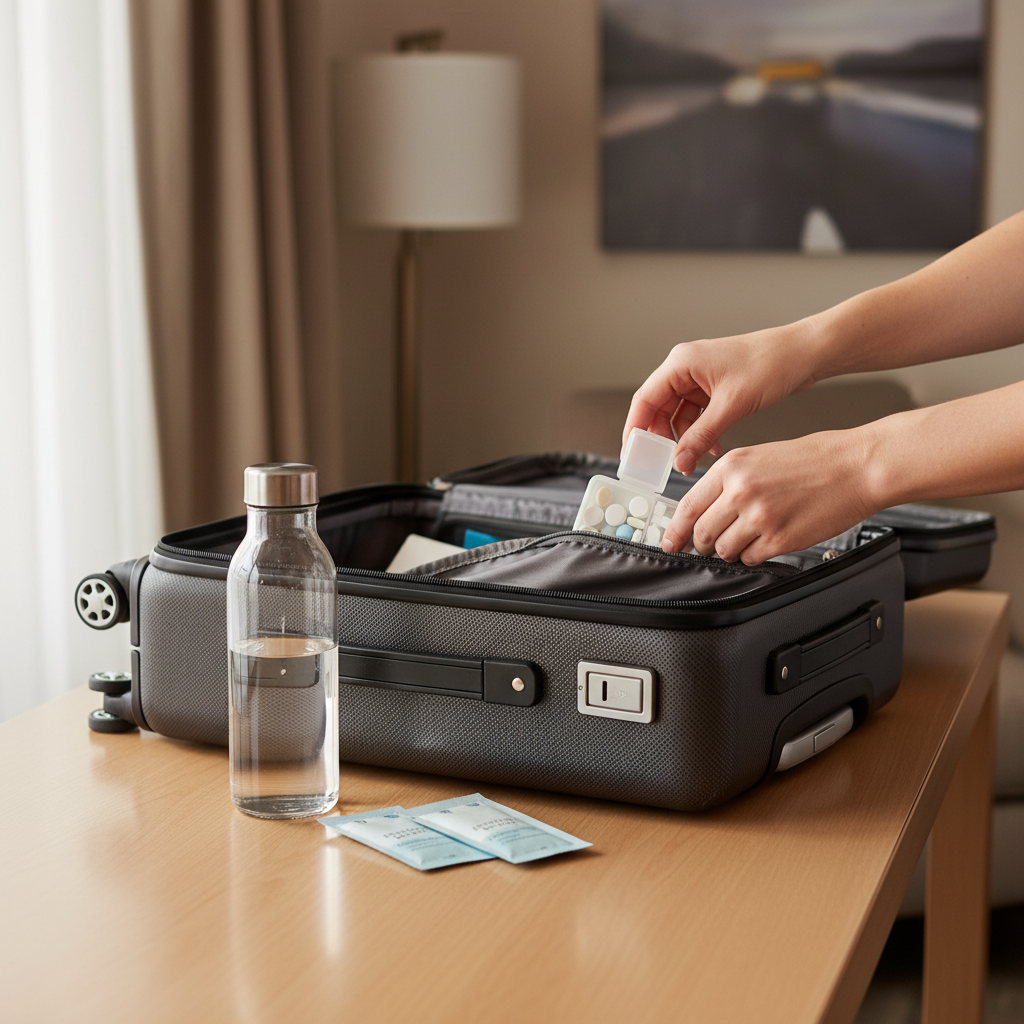
Choosing a pain reliever travel essential: what to pack and why
For most adults, the practical “starter set” is one primary over-the-counter option you tolerate well, plus a few support items that address common triggers.
Common OTC options (general differences)
Not medical advice, and labels matter, but these are typical distinctions people use when deciding.
- Acetaminophen (Tylenol): often chosen when someone wants to avoid NSAIDs; can be easier on the stomach for some people. It still has important limits, especially with liver disease or alcohol use.
- Ibuprofen (Advil, Motrin): an NSAID that can help when inflammation or body aches tag along; may irritate the stomach or be risky for certain kidney, heart, or blood pressure conditions.
- Naproxen (Aleve): another NSAID that can last longer for some people, useful if you won’t be able to re-dose soon; similar caution areas as other NSAIDs.
According to FDA, many OTC products can contain the same active ingredients, so reading the Drug Facts label helps you avoid accidental double-dosing, especially if you also take cold or flu products.
Support items that punch above their weight
- Electrolyte packets (low sugar if you prefer), because “drink water” isn’t always enough.
- Small snack (nuts, crackers, protein bar) to prevent the low-blood-sugar crash that feels like a headache.
- Mini eye drops if dry air and screens trigger eye strain.
- Heat or cold option (disposable heat patch or small gel pack if practical) for tension-type pain.
Quick self-check: which headache are you dealing with right now?
Before you reach for tablets, it helps to do a 30-second check so you treat the likely cause, not just the symptom.
- Thirsty, dry mouth, dark urine, lots of walking? Start with water plus electrolytes, then reassess in 20–30 minutes.
- Skipped a meal or running on coffee? Eat something simple, then consider your usual OTC option.
- Tight neck, sore shoulders, long drive/flight? Gentle stretches, heat, and posture reset can matter as much as meds.
- Pressure around cheeks/forehead with congestion? Could be sinus-related; consider humidification and appropriate OTC options, and be cautious with combo cold products.
- One-sided throbbing, nausea, light sensitivity? Could be migraine; if you have a diagnosis and prescription plan, follow it, and consider early treatment.
If the headache is new for you, unusually severe, or comes with neurological symptoms, it’s smarter to seek medical help rather than trying to “pack your way out” of it.
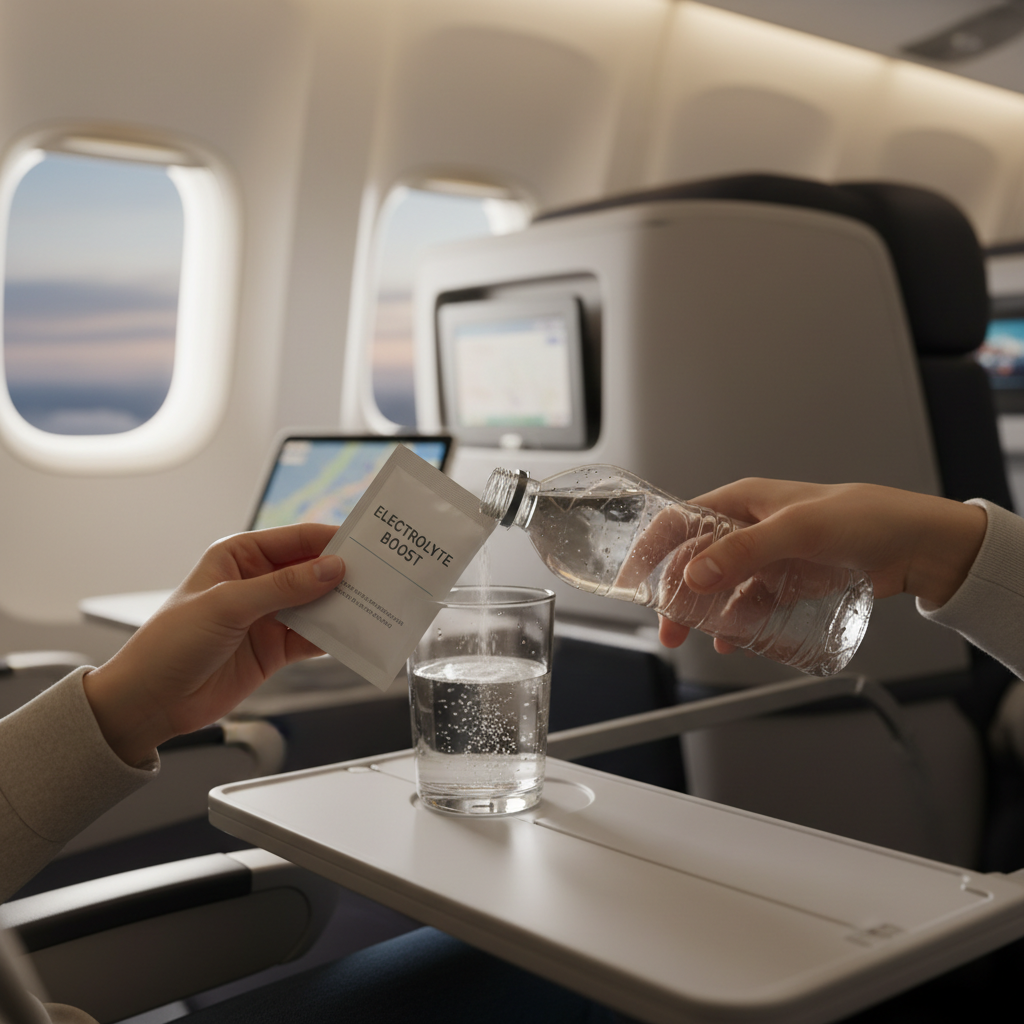
How to build a carry-on headache kit that actually works
A good kit stays small, survives TSA and hotel life, and doesn’t turn into a mystery bag of loose pills.
Core kit (minimalist but complete)
- Your chosen OTC pain reliever in original bottle or clearly labeled container
- Electrolyte packets (2–4)
- Fast snack (one or two)
- Refillable water bottle (empty at security)
- Mini hand sanitizer and tissues
Optional add-ons (pick for your travel style)
- Sleep support items: earplugs, eye mask, or a small white-noise option
- Screen comfort: blue-light filtering glasses if you find them helpful
- Allergy support: if you know allergens trigger sinus pressure, pack what your clinician recommends
Many travelers overpack medication and underpack prevention. For headaches, hydration, food, and sleep tools often reduce how often you need to dose.
Travel rules, storage, and safety: the part people skip
This is where a pain reliever travel essential can backfire, not because the product is “bad,” but because travel creates mix-ups.
- Keep meds in your carry-on: checked bags get delayed, overheated, or lost.
- Use original packaging when possible: clearer labeling, expiration info, fewer questions if you’re stopped.
- Watch duplicates: many cold/flu products include acetaminophen or NSAIDs already.
- Alcohol plus pain relievers: can raise risk for side effects; if you plan to drink, be extra cautious and follow label guidance.
- Know your medical context: pregnancy, blood thinners, ulcers, kidney disease, liver disease, and high blood pressure can change what’s appropriate. When in doubt, ask a clinician.
According to NIH (National Institutes of Health), acetaminophen is a common ingredient in many combination products, which is exactly why accidental overuse happens. Labels are boring until they save you from a mistake.
Practical prevention plan: what to do before, during, and after transit
If you want fewer headaches, your best move is a simple routine you can repeat, not a complicated protocol you’ll never follow.
Before you leave
- Pack your kit where you can reach it without unpacking your whole bag
- Set a “water checkpoint,” for example finishing a bottle before boarding
- If caffeine withdrawal is a pattern, plan a controlled amount rather than going cold turkey
During travel
- Alternate caffeine with water, especially on flights
- Stand and move when you can, even 60 seconds helps neck tension
- Use a snack before you hit the “hangry headache” zone
After arrival
- Get daylight exposure when possible to help your sleep timing
- Eat a real meal, not just convenience carbs
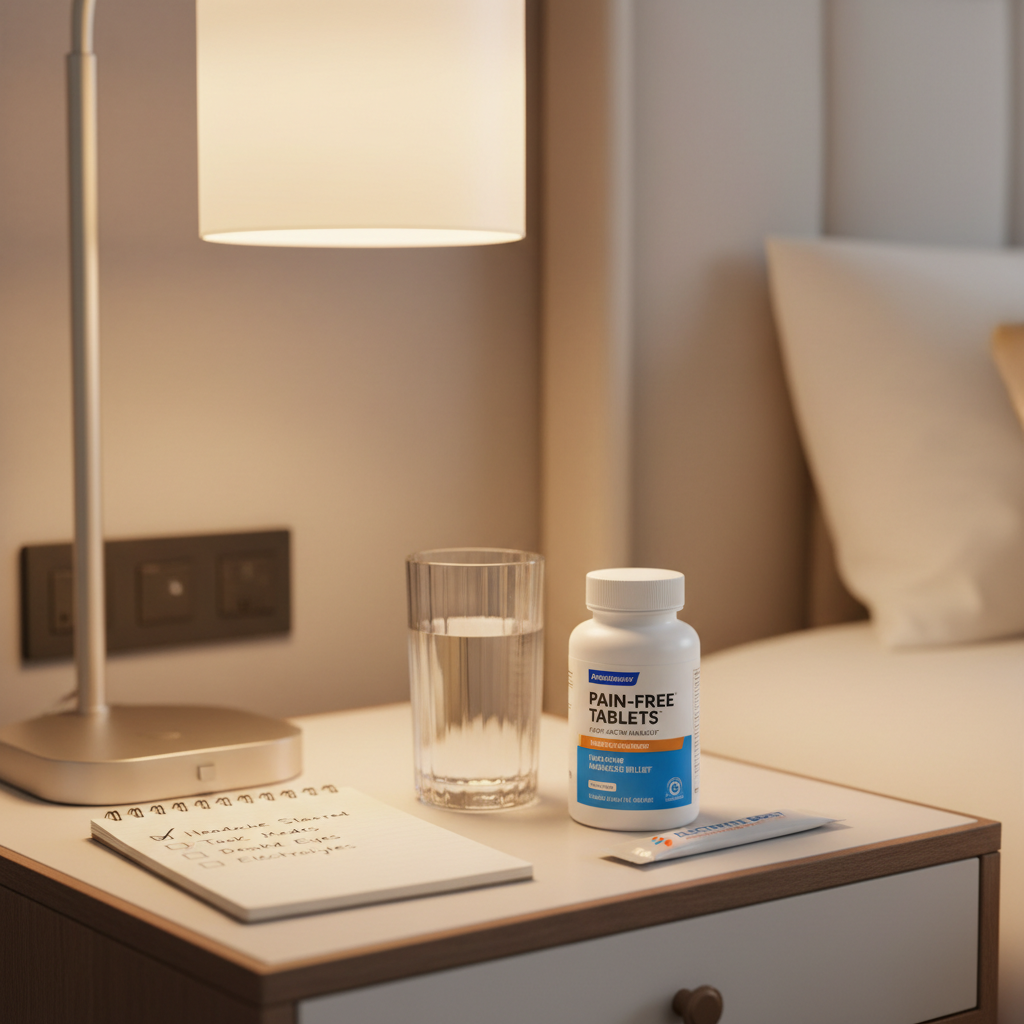
- If you dose medication, write down time and amount so you don’t guess later
Comparison table: common travel headache solutions (what each is good for)
This isn’t a prescription, just a practical way to match tools to likely triggers.
| Tool | Best for | Watch-outs |
|---|---|---|
| Acetaminophen | General headache pain; when you prefer to avoid NSAIDs | Check combo products; avoid exceeding label limits; extra caution with liver issues or alcohol use |
| Ibuprofen | Tension headaches with body aches; inflammation-related pain | Stomach irritation; caution with kidney disease, ulcers, blood thinners, some heart conditions |
| Naproxen | Longer-lasting relief when you can’t re-dose soon | Similar NSAID cautions; take care with timing and food per label |
| Electrolytes + water | Dehydration headaches; post-flight dryness | Some mixes are high sugar; certain medical conditions require clinician guidance on sodium/potassium |
| Snack with protein | Missed-meal headaches; blood sugar dips | Allergens; airport restrictions on fresh foods vary |
| Neck stretch + heat | Tension-type headaches from posture or luggage | Don’t force range of motion; stop if pain spikes |
When to get professional help (don’t push through these)
Travel tempts people to “just take something and power on,” but some patterns should break the plan.
- Sudden, severe headache that peaks quickly, or feels like the worst you’ve had
- Neurological symptoms such as weakness, confusion, fainting, new vision changes, or trouble speaking
- Fever, stiff neck, or rash along with headache
- Headache after a fall or injury, even if you feel mostly fine
- Needing OTC meds very frequently on the trip, which can sometimes lead to medication-overuse headaches
If you have a known migraine diagnosis, frequent attacks, or multiple medical conditions, it’s worth asking your clinician before your trip what to pack and what to avoid.
Key takeaways you can use on your next trip
- Pack one primary OTC option you know you tolerate, and keep it accessible in your carry-on.
- Prevention beats extra pills for most travel headaches: water, electrolytes, food, and sleep tools.
- Labels prevent mistakes, especially with cold/flu combination products.
- Have a “stop rule” for red-flag symptoms, travel isn’t worth gambling with your health.
If you want a simple next step, build your kit tonight, then do a quick label check on what you already own. That tiny habit usually prevents the most common travel-med errors.
FAQ
What is the best pain reliever travel essential for headaches?
The best choice is usually the OTC option you’ve used safely before and can take based on your health history. Many travelers pick acetaminophen or an NSAID, but the “right” one depends on factors like stomach sensitivity, kidney or liver concerns, and other medications, so checking with a clinician is reasonable if you’re unsure.
Can I bring OTC pain relievers through TSA in my carry-on?
In many cases, yes. Keeping them in original packaging makes security checks simpler, and it helps you keep dosing and ingredients clear. For international trips, rules can vary, so it’s smart to verify requirements for your destination.
Why do I get headaches every time I fly?
Common contributors include dehydration, sleep disruption, neck tension from cramped posture, and sinus or pressure issues. If it happens frequently, try a prevention routine, hydrate early, eat something, and address neck posture, and consider speaking with a professional if symptoms are severe or unusual.
Is it safe to mix a pain reliever with cold medicine while traveling?
Sometimes it can be, but it’s easy to double up on the same ingredient because many cold products already contain acetaminophen or NSAIDs. Read the Drug Facts label and follow dosing limits, and ask a pharmacist or clinician if you’re mixing products.
How should I store medication in a hot car or beach bag?
Heat can degrade many medications, so it’s generally better to keep them in a temperature-stable place, not a glove box or direct sun. If you expect extreme temperatures, consider carrying small amounts with you and leaving the rest in a cooler, indoor spot when possible.
What should I do if my headache doesn’t improve after taking OTC meds?
Recheck the basics first, water, food, and rest, because the trigger might still be active. If pain persists, worsens, or comes with red-flag symptoms like neurological changes or fever, seek medical care rather than repeatedly re-dosing.
Can taking pain relievers too often cause more headaches?
It can in some people, especially with frequent use over time, a pattern sometimes discussed as medication-overuse headache. If you find yourself relying on medication repeatedly during trips, it’s a sign to talk with a clinician about prevention and a clearer treatment plan.
If you’re preparing for a busy itinerary and want a more streamlined approach, consider building a small pre-packed travel pouch with labeled OTC meds, electrolyte packets, and a simple dosing note card, it’s a low-effort setup that often makes travel days calmer.